ai-generated-8560473_1280
CLIMATE CHANGE

Call for Applications/Abstracts for the Annual Young Scientist Conference 2025

The Academy of Science of South Africa (ASSAf), and the South African Young Academy of Science (SAYAS), in partnership with the World Academy of Science sub-Saharan Africa Regional Partner (TWAS-SAREP), the Human Sciences Research Council (HSRC), the National Research Foundation (NRF) and the South African National Space Agency (SANSA), will jointly host the Annual Young Scientists’ Conference (AYSC) on 13-14 October 2025. ASSAf and its partners invite applications from young scientists based in South Africa and across Sub-Saharan Africa to participate in the 2025 AYSC. This transdisciplinary conference will serve as a platform for scientific exchange, through collaboration, networking, and knowledge sharing among young African researchers from diverse fields. The conference will feature the following sub-themes: Resilience in Adaptation and Mitigation: A Holistic Approach,  Climate Change Impact on Human and Planetary Health, Equity in Climate Action.
 

Green tech
CLIMATE CHANGE

How the rise of green tech is feeding another environmental crisis

Source: https://www.bbc.com/news/articles/c30741j351go

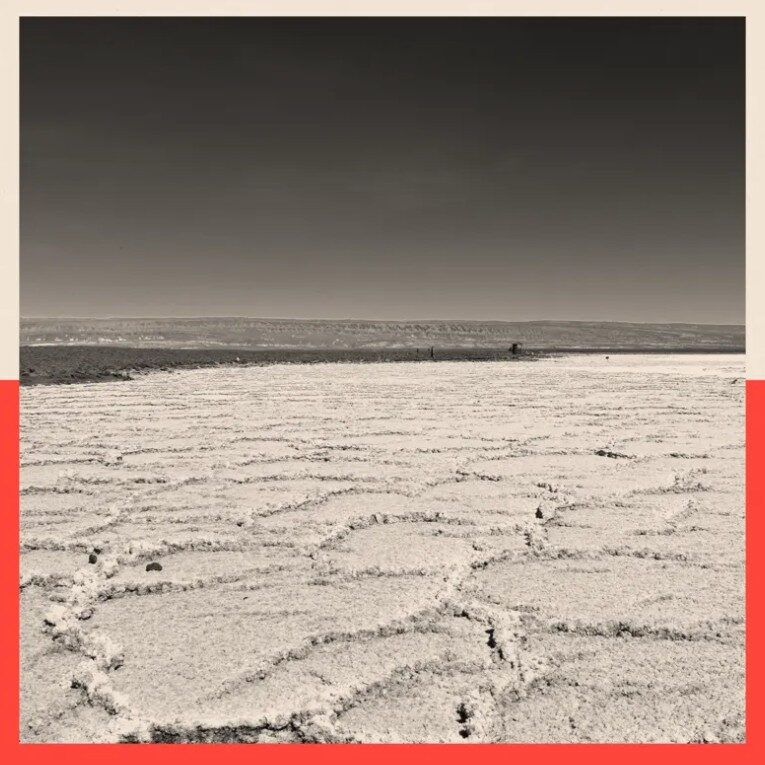
Raquel Celina Rodriguez watches her step as she walks across the Vega de Tilopozo in Chile’s Atacama salt flats.

It’s a wetland, known for its groundwater springs, but the plain is now dry and cracked with holes she explains were once pools.

“Before, the Vega was all green,” she says. “You couldn’t see the animals through the grass. Now everything is dry.” She gestures to some grazing llamas.

For generations, her family raised sheep here. As the climate changed, and rain stopped falling, less grass made that much harder.

Shifted Earth’s Magnetic Poles
CLIMATE CHANGE

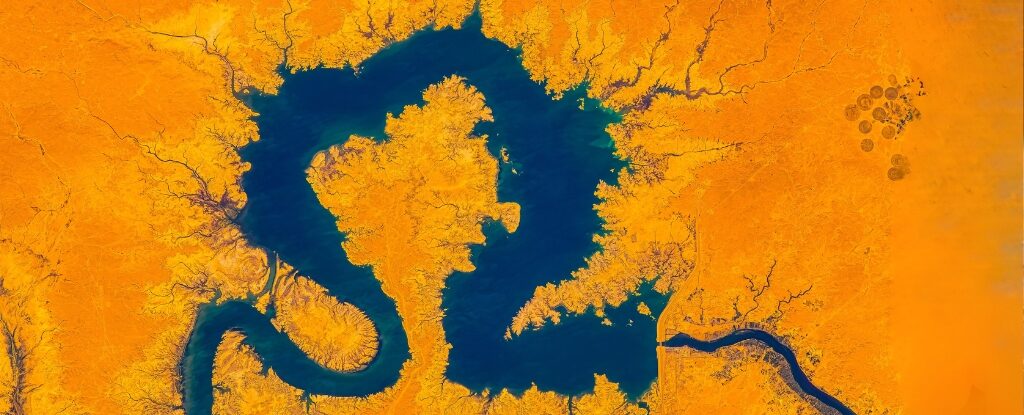
Humanity Has Dammed So Much Water It’s Shifted Earth’s Magnetic Poles

Source: https://www.sciencealert.com/humanity-has-dammed-so-much-water-its-shifted-earths-magnetic-poles

Recent shifts in Earth’s magnetic field have human fingerprints all over them. While it is normal for our planet’s magnetic poles to sporadically wander, new research shows we’ve now amassed enough water behind dam walls to account for at least some of the current movements.

Harvard University geophysicist Natasha Valencic and colleagues calculated that the masses concentrated in just under 7,000 of Earth’s biggest dams have knocked the crust’s axis of rotation off kilter by around one meter (three feet) relative to the dynamo that drives the magnetic fields beneath the crust.

Climate Change an Existential Threat
CLIMATE CHANGE

Is Climate Change an Existential Threat?

Source: https://gizmodo.com/is-climate-change-an-existential-threat-2000629702

If a 60-mile-wide (100-kilometer-wide) asteroid slammed into Earth tomorrow, it would render the planet inhospitable to nearly all life forms, save for the hardiest extremophiles. This mass extinction event would wipe humanity off the face of the Earth—there would be no survivors. 

To some experts, this is the true definition of an “existential threat.” Traditionalists will say this term describes a risk that endangers the very existence of something—in this case, the human species. In recent years, that definition has loosened largely to encompass global warming. Scientists, politicians, and world leaders have all described the climate crisis as an existential threat to humanity. This human-driven phenomenon is already altering life as we know it on a planetary scale, but could it really lead to our extinction?

Stormwater management
CLIMATE CHANGE

The Impact of Climate Change on Stormwater Management

Source: https://ucanr.edu/blog/water-supply-security-wss/article/impact-climate-change-stormwater-management

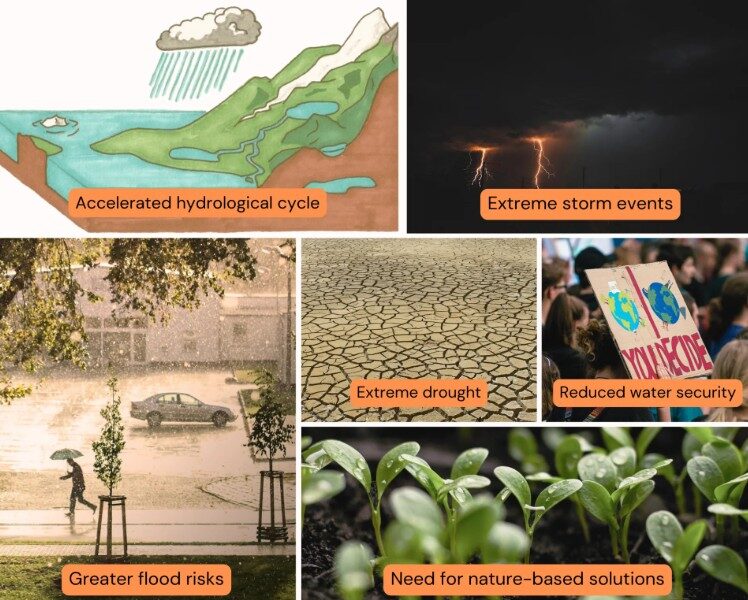
Climate change is affecting all parameters of the environmental spectrum and thus, all aspects of life. Regarding water resilience, the lingering effects of climate change play a significant role in limiting access to water whilst also increasing demand for water supplies across the nation and most especially in Southern California. Climate change’s acceleration of the hydrological cycle has also increased risks of extreme storm and drought events for most regions, especially semi-arid regions. Nature-based solutions (NBS), when designed in response to projected climate change impacts, can offer practical and cost-effective adaptive strategies for stormwater management to confront and mitigate the ecological damage caused by climate change. This post will explore how climate change affects stormwater management in Southern California, explain how NBS can help adapt to climate change, and list recommended strategies for climate change-resilient stormwater management practices.

Mental Health Is Melting
CLIMATE CHANGE

Mental Health Is Melting

Source: https://www.medpagetoday.com/opinion/climate-checkup/116522

Imagine your patient describing how oppressive the heat feels in their neighborhood. The pavement radiates heat, and there are no trees in sight to offer shade. The humidity feels like a weight on their body. Inside their home is no better, failing to offer refuge from the inferno. Perhaps they have an inefficient air conditioner or fan, or none at all. Or maybe they forgo air conditioning because they can’t afford to pay their soaring electric bills.

Land markets and farm sizes
CLIMATE CHANGE

How will climate change shape land markets and farm sizes in the developing world?

Source: https://www.preventionweb.net/news/how-will-climate-change-shape-land-markets-and-farm-sizes-developing-world

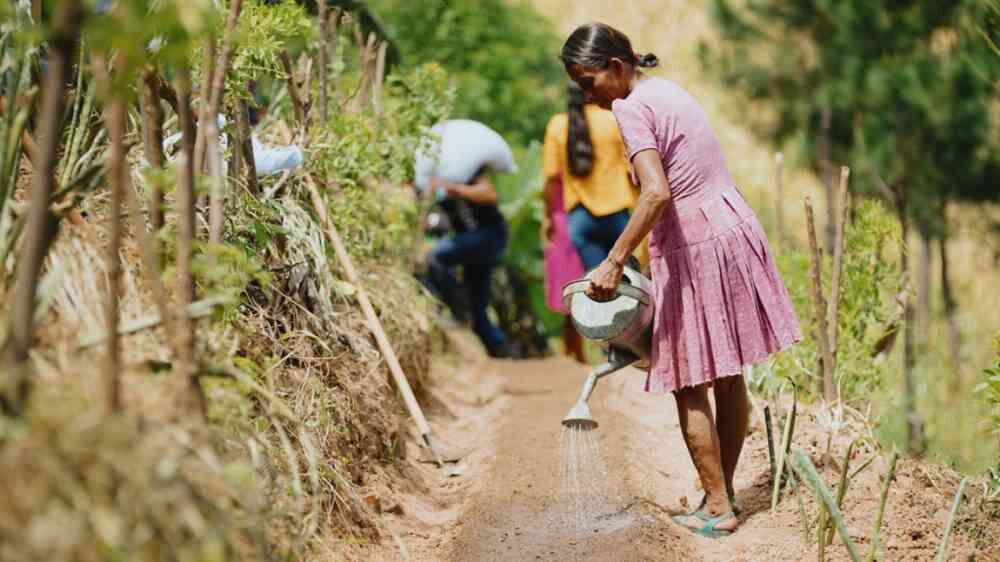
In many developing countries, agriculture is dominated by millions of small-scale farms that are exposed to negative income shocks such as droughts, floods, and extreme temperatures. In the absence of effective insurance mechanisms, these shocks often force rural households to make drastic adjustments to their consumption and investment choices. One particularly important—and understudied—aspect of this response is how households make decisions about holding onto or selling land after experiencing such negative shocks.

Previous research has shown that the predominance of small farms is a significant constraint on agricultural productivity (Foster and Rosenzweig 2022), and that this pattern is partly the result of institutional distortions that hinder efficient land allocation (Adamopoulos and Restuccia 2014). Less understood, however, is how the dynamics of household consumption and investment in the wake of negative income shocks determine the farm size distribution in an economy. In Arteaga et al. 2025, we study how negative weather shocks influence land transactions and farm size in developing countries.

Data centre
CLIMATE CHANGE

Climate change poses a growing risk to data centre infrastructure

Source: https://sustainabilityonline.net/news/climate-change-poses-a-growing-risk-to-data-centre-infrastructure/

Climate-related hazards, from flooding to forest fires, represent a growing threat to the world’s data centre infrastructure, a new report by climate risk analytics firm XDI has found.

The 2025 Global Data Centre Physical Climate Risk and Adaptation Report, which conducted a risk analysis of more than 8,600 data centres around the world, indicates that the impact from climate change on this vital infrastructure is intensifying.

‘As demand for data centre capacity accelerates, understanding these risks is essential for building resilience into the backbone of modern life,’ the report notes.

Lyme disease
CLIMATE CHANGE

Lyme disease is changing in a warming world — and so should the news 

Source: https://healthjournalism.org/blog/2025/07/lyme-disease-is-changing-in-a-warming-world-and-so-should-the-news/

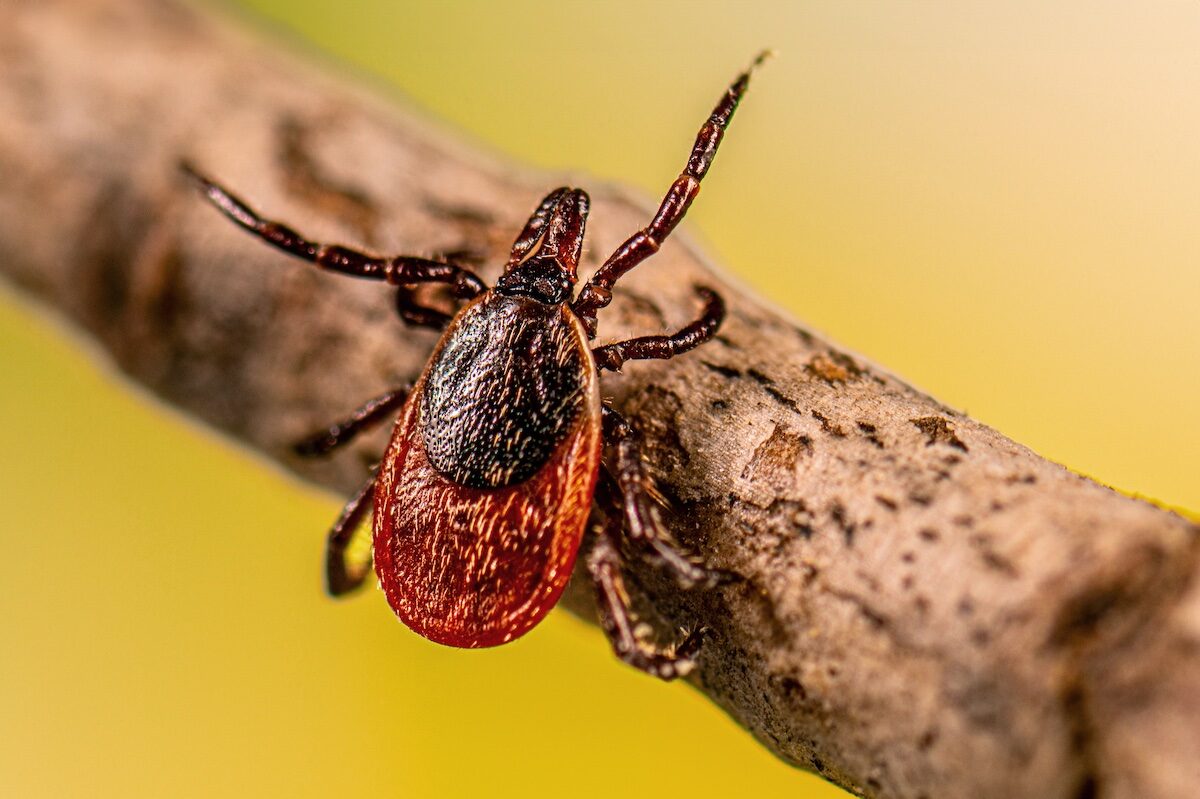
When biologist Nick Ogden moved to Quebec in 2002, there were two known populations of the black-legged tick (Ixodes scapularis) — the most important Lyme disease spreader — in Canada, on the north shore of Lake Erie. 

Ogden ran computer models to predict other places in Canada that the tick could be setting up shop. He began to monitor these locations for new tick populations, including a park near his home that he visits every weekend. He found the first tick there in 2009. Now, there are so many that he’s been able to use this location in research on ticks in the wild.

Climate change is amplifying extreme rain events
CLIMATE CHANGE

Climate change is amplifying extreme rain events in the Northeast, research shows

Source: https://abcnews.go.com/US/climate-change-amplifying-extreme-rain-events-northeast-research/story?id=123766661

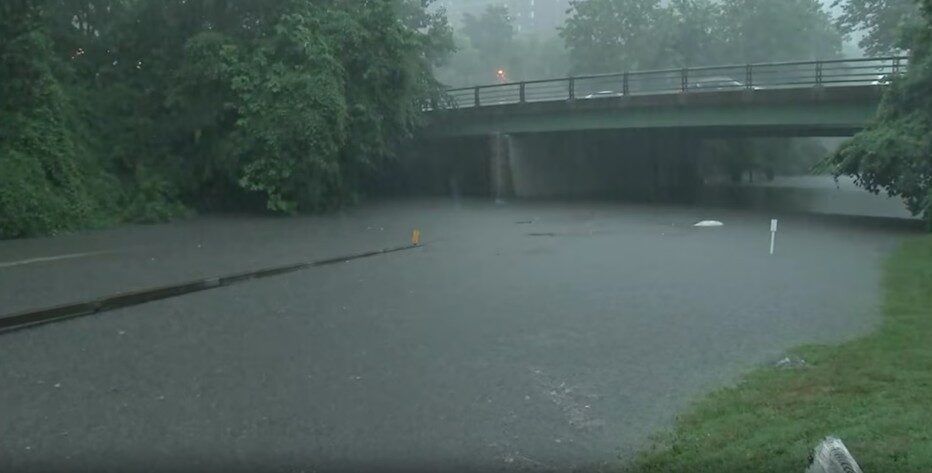
The extreme rainfall that occurred in the Northeast on Monday will likely occur more often in the future as a result of climate change, research shows.

The Northeast has experienced the largest regional increase of extreme precipitation in the U.S., with a 60% increase in recent decades, according to the U.S. government’s Fifth National Climate Assessment, a summary of the latest climate science research findings by 14 different federal agencies, published in November 2023.