Mental Health Toll
CLIMATE CHANGE

The World Isn’t Ready for the Mental Health Toll of Extreme Heat

Source: https://www.scientificamerican.com/article/the-world-isnt-ready-for-the-mental-health-toll-of-extreme-heat/

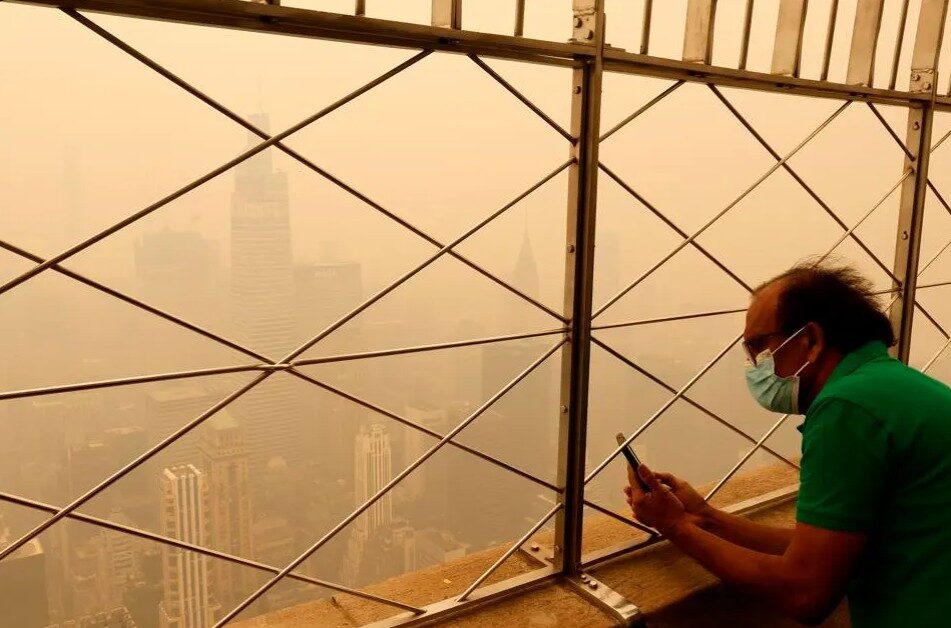
The coming summer is forecast to be a scorcher across the U.S. And climate scientists predict that at least one of the next five years will beat 2024 as the hottest year ever recorded globally. As heat waves are getting more intense and prolonged, their effect on the mind and body are also becoming more dire. Children and older people, as well as those who work outdoors, are most at risk. So are those with mental health disorders.

Heat waves are the single highest cause of weather-related deaths in the U.S., where an estimated 1,300 fatalities from heat stroke and other temperature-related complications occur every year. Even those who survive a period of extreme heat may suffer serious neurological or other mental-health-related disorders.

fungi
CLIMATE CHANGE

Climate change may fuel spread of fungi that could ‘eat you from inside out’

Source: https://www.business-standard.com/health/climate-change-fungi-aspergillus-global-spread-respiratory-risk-125052800523_1.html

As Covid-19 cases begin to rise again in parts of the world, including India, there’s another silent but serious health threat emerging, this time from the fungal kingdom. The rising global temperatures could accelerate the fungi capable of eating you from inside out. 

A new climate modelling study by researchers at the University of Manchester shows that rising temperatures could dramatically alter the spread of Aspergillus, a group of airborne fungi known to cause severe respiratory infections in humans and widespread damage to crops.

Health Emergency
CLIMATE CHANGE

Experts Warn Climate Change Is A ‘Health Emergency’ In Open Letter

Source: https://www.forbes.com/sites/jamiehailstone/2025/05/28/experts-warn-climate-change-is-a-health-emergency-in-open-letter/

More than 25 leading medical, public health, and environmental health organizations released an open letter highlighting the health impacts of climate change and the pollution driving it.

The open letter warns climate change is a “health emergency” and is already harming people’s health, regardless of where they live.

It adds “extreme heat is killing people” and has also been linked with a wide range of short-term and long-term illnesses.

Drought
CLIMATE CHANGE

Drought Resilience Research Fellowship Grants for students in East Africa

Source: https://www.joshswaterjobs.com/jobs/325337/

International Institute for Applied Systems Analysis (IIASA) and Lake Victoria Basin Commission/East African Community (LVBC) are happy to report the launch of a new project: Resilience to extreme drought events in East Africa (INTERVENE). The capacity building activities include a € 6,000 grant for students studying in East Africa. The aim is to promote the students’ ongoing research beyond the usual standards and to integrate them into the international research environment of the INTERVENE project.

Please find attached a call for applications for your kind consideration and further distribution to colleagues of yours who may be interested.

drug resistance
CLIMATE CHANGE

Climate change fuels drug resistance in poor countries

Source: https://www.scidev.net/global/news/climate-change-fuels-drug-resistance-in-poor-countries/

It is well known that poorer countries bear the biggest burden of resistance to antimicrobial drugs and that these countries are also most vulnerable to climate change.

But little research has been done into the link between these two phenomena.

Now new analysis by Chinese researchers projects the scale of the burden of antimicrobial resistance, or AMR, in low- and middle-income countries under current climate change trajectories, if sustainable development strategies are not urgently pursued.

Wildfires
CLIMATE CHANGE

How Climate Change Makes Wildfires More Dangerous

Source: https://www.americanprogress.org/article/how-climate-change-makes-wildfires-more-dangerous/

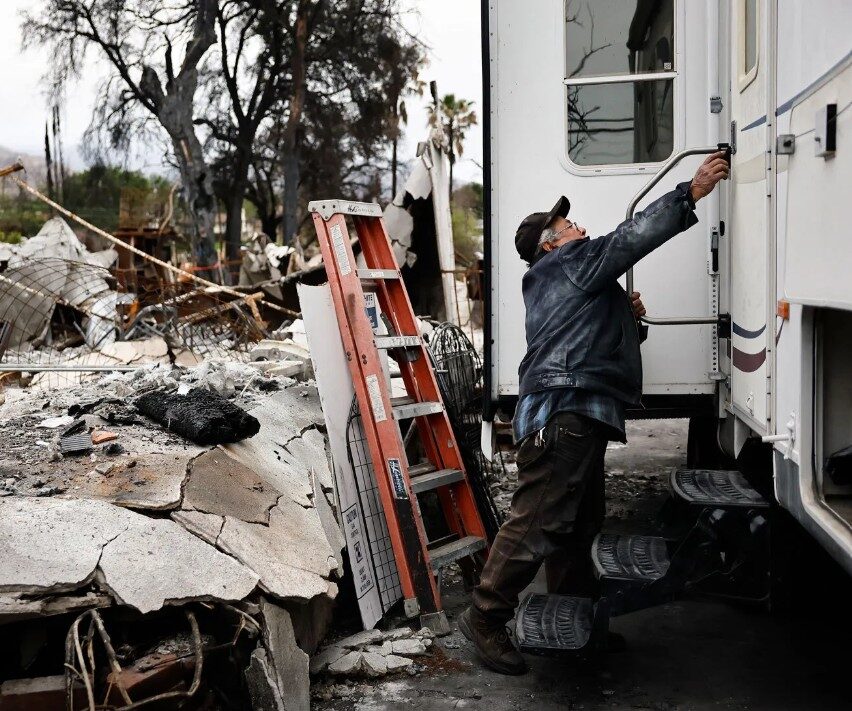
Climate change is intensifying wildfires across the United States, turning routine fire seasons into prolonged, dangerous events that threaten Americans’ lives and health both during the season and in the days, months, and years afterward. And the damage is vast: More intense wildfires put residents at risk of long-term physical and mental health complications; strain local health care infrastructure; and lead to economic fallout that extends beyond property damage to insurance markets, water security, and public services. These effects are particularly harmful to disadvantaged communities.

Gut Health
CLIMATE CHANGE

How Climate Change Affects Your Gut Health

Source: https://time.com/7287156/how-climate-change-affects-your-gut-health/

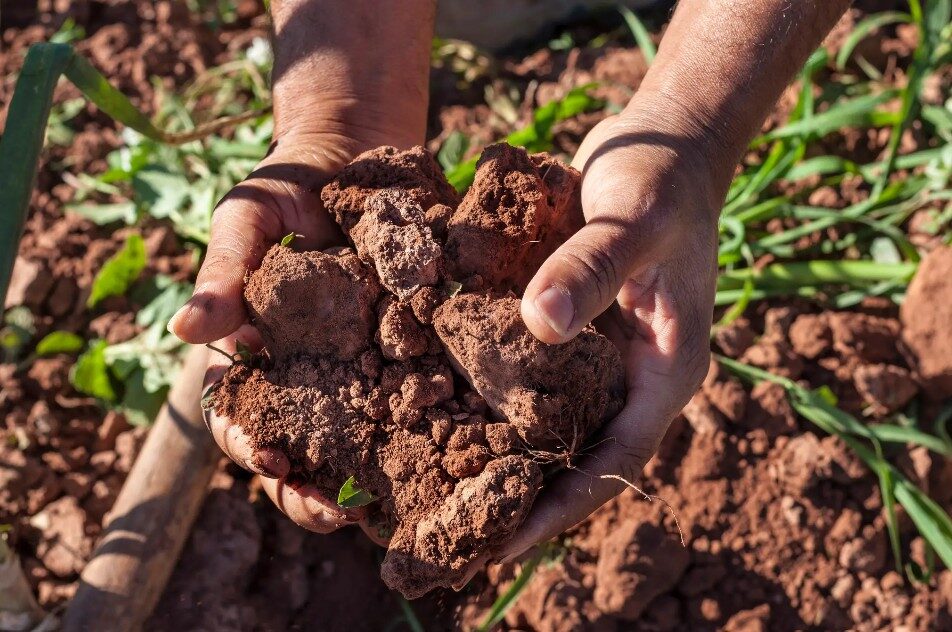
If you’re like a lot of people, you’re finding it harder and harder to stomach climate change—literally. A warming world leads to all manner of health problems, including increased risk of cardiovascular disease, exacerbation of pulmonary conditions like asthma and COPD, and mental health problems including depression and anxiety. Increasingly, however, climate change is being implicated in a range of illnesses of the gut, such as diarrheal diseases, irritable bowel syndrome, intestinal infection, and more. While the mechanism behind the increase in pulmonary disease in a warmer world is more or less direct—breathing hot, dirty, sooty air isn’t good for anyone’s lungs—the gut connection is more nuanced and multifactorial, involving crop growth, contaminated water supplies, droughts, heat waves, malnutrition, and the microbiome of the soil. None of this is good for us; all of it can affect any of us. Here’s what you need to know about the climate-gut connection.

Sleep apnea
CLIMATE CHANGE

Climate Change Is Worsening Sleep Apnea

Source: https://time.com/7286589/climate-change-sleep-apnea/

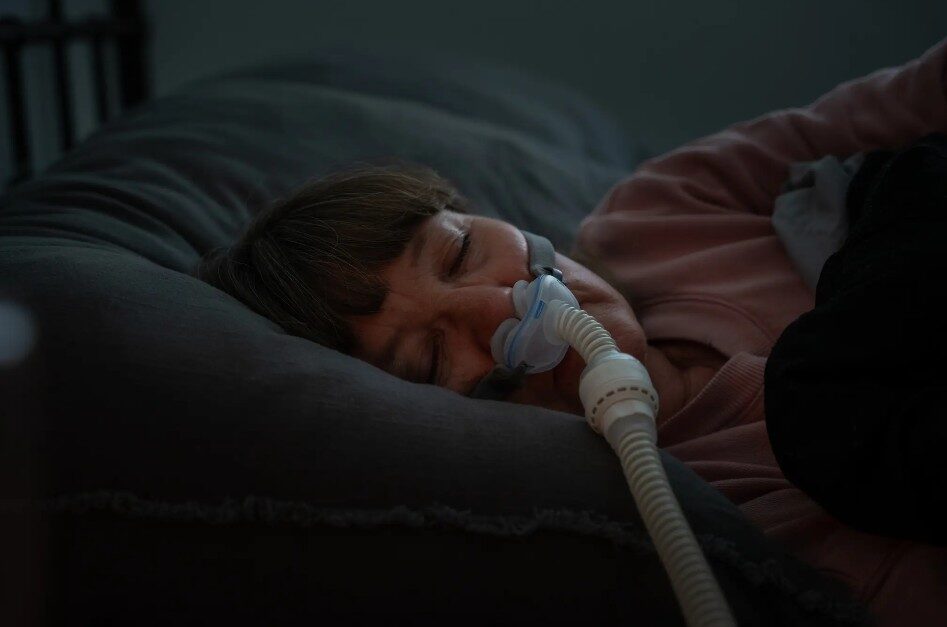
We all have cause to take climate change personally. Not only do higher temperatures lead to such mega-events as droughts, heat waves, wildfires, and floods, they also affect human health—exacerbating asthma, allergies, cardiovascular disease, the spread of water-borne pathogens, and more. Now, it appears that a warming world affects us in one other, potentially life-threatening way. That’s according to a new, yet-to-be-peer-reviewed paper presented May 18 at the 2025 gathering of the American Thoracic Society in San Francisco. Researchers found that as the heat increases, so too does the incidence and severity of obstructive sleep apnea (OSA), increasing the risk of hypertension, heart attack, stroke, and death.

Health Risks During Pregnancy
CLIMATE CHANGE

Climate Change Can Increase Health Risks During Pregnancy

Source: https://www.yahoo.com/news/climate-change-increase-health-risks-230659421.html

As the number of extreme heat days continues to rise due to climate change, the high temperatures are taking a toll on our health—extreme heat has been linked to a range of health issues, including heatstroke, dehydration, and respiratory problems. But some people are at greater risk than others: warmer days are putting pregnant people at a higher risk for health complications.

Rethinking Africa’s food security
CLIMATE CHANGE

Climate change as a game changer: Rethinking Africa’s food security- health outcome nexus through a multi-sectoral lens

Source: https://www.nature.com/articles/s41598-025-99276-2

In Africa, the intricate relationship between food security and health outcomes is increasingly challenged by the unpredictable forces of climate change. With this in mind, we utilized panel data spanning from 2010–2022 for 46 African nations, sub-grouped into regional panels to analyze the moderating role of climate change on food security- health outcome nexus, contributing to Sustainable Development Goals (SDGs) 2 (Zero Hunger), 3 (Good Health and Well-Being), and 13 (Climate Action). Considering issues of residual cross-sectional dependence and slope heterogeneity which are potential in panel data setting, the study utilized the Augmented Mean Group and the Common Correlated Mean Group techniques as the main methods in estimating the relationships amid the employed variables. Major outcomes from the study’s analysis revealed that, across all panels of African states, there is no doubt that climate change has a substantial, direct detrimental impact on health outcomes. Also, while the moderating effect of climate change is clearly negative in the case of Northern and Central regional panels, it is significantly positive in the aggregated, Eastern, Western, and Southern African regions with regard to the relationship between food security and health outcomes. In light of these findings, addressing the relationship between food security and health in Africa while taking the moderating impacts of climate change into account requires a region-specific approach.