thomas-kinto–k7bxsVTEbc-unsplash
CLIMATE CHANGE

Climate change and well-being: Science academies publish recommendations for G20 summit

Source: https://www.leopoldina.org/en/press-1/press-releases/press-release/press/3180/

Ahead of the G20 summit in Johannesburg/South Africa, on 22 and 23 November 2025, the science academies of the G20 countries, including the German National Academy of Sciences Leopoldina, have issued science-based recommendations developed in the Science20 process. The joint statement “Climate Change and Well-Being”, recommends measures to address the consequences of climate change and to adapt in the areas of health, ecology and technology.

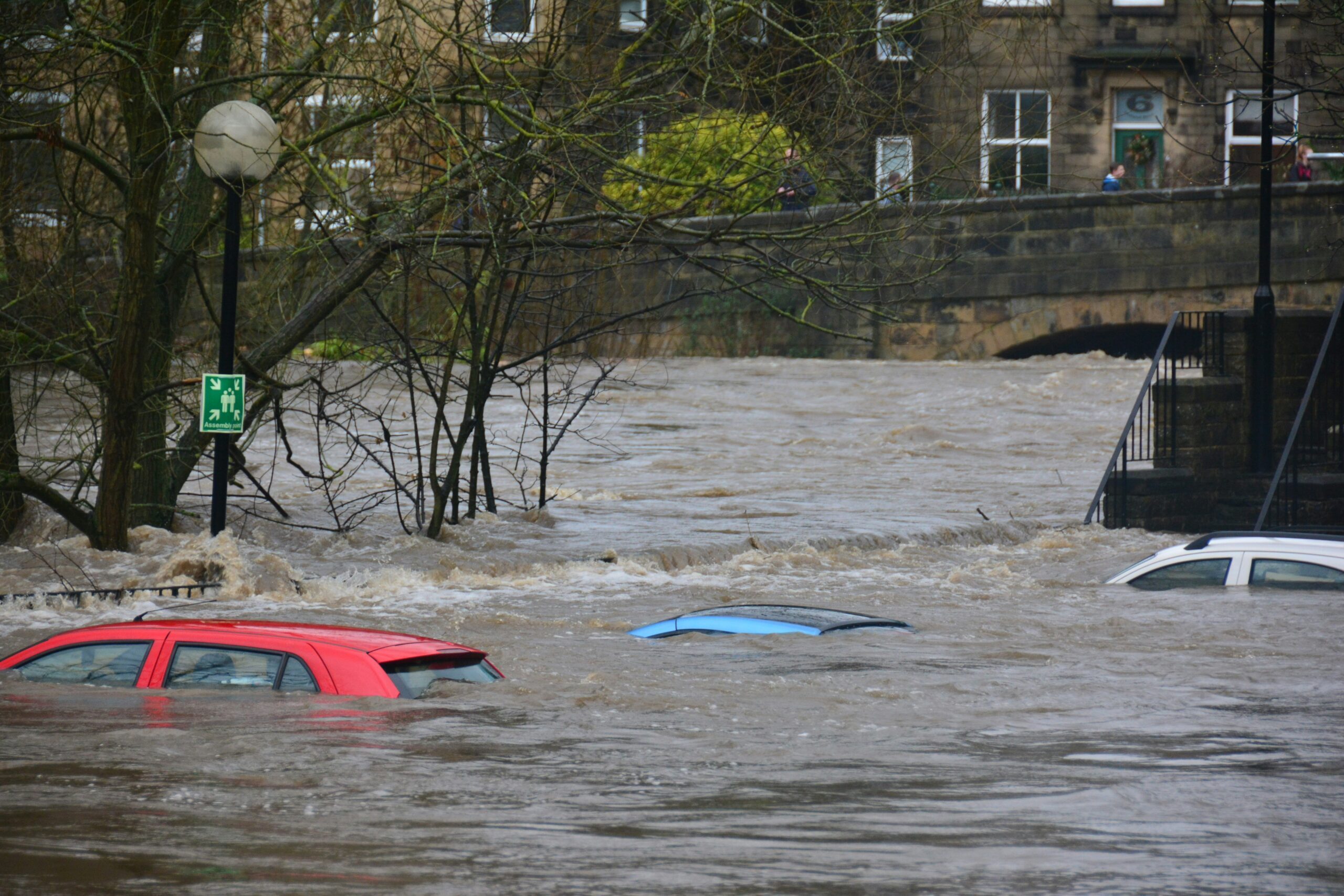
“The most important measure for combating climate change remains a consistent reduction in CO₂ emissions,” says Leopoldina President Professor Dr Bettina Rockenbach. “At the same time, it is crucial to consider the consequences of climate change worldwide and to mitigate them particularly in those areas where people are severely affected by increasing weather extremes, resource scarcity and threats to health and well-being.”

 

photoholgic-jK9dT34TfuI-unsplash
CLIMATE CHANGE

Science20 statement calls for urgent, science-driven action to protect the wellbeing of people and ecosystems

Source: https://www.science.org.au/news-and-events/news-and-media-releases/science20-statement-calls-for-urgent-science-driven-action-to-protect-the-wellbeing-of-people-and-ecosystems

The Australian Academy of Science has endorsed the Science20 (S20) 2025 statement, Climate change and well-being, reinforcing a collective commitment and consensus-driven call to action for preserving lives and boosting global sustainability.

The communiqué was developed after an in-person meeting in Pretoria, South Africa, in February, attended by Academy Fellow Dr Surinder Singh and finalised with feedback and contributions from experts across the member academies, including Academy Foreign Secretary, Professor Frances Separovic AO, Professor Andy Pitman AO of UNSW, and Professor Hilary Bambrick of the Australian National University.

william-bossen-Q1js5z4tKLA-unsplash
CLIMATE CHANGE

Until policy and science embrace and dance – It’s not yet Uhuru

Source: https://www.tut.ac.za/latest-news/874-until-policy-and-science-embrace-and-dance-its-not-yet-uhuru

According to scholars Sven Grimm et al, ‘science and policymaking should be an excellent match’. But in real-life situations, the relationship is uneasy. Were the relationship between Science and Policy not so important to our nation, we might have been tempted to abandon the search for a more conducive interface between the two.

A surge of positivity pumped through my veins and arteries as I sat in the august company of scholars, young and older, on the occasion of the inauguration of new members of the Academy of Science of South Africa and the South African Young Academy of Science (Sayas), on 30 October 2025. 


chris-gallagher-4zxp5vlmvnI-unsplash
CLIMATE CHANGE

Arab observatory is needed to manage climate risks – Study

Source: https://www.universityworldnews.com/post.php?story=202511061437121&utm_source=newsletter&utm_medium=email&utm_campaign=SDGNL9056

An Arab observatory for climate and environmental risks should be established to help manage current and future risks and uncertainties in a rapidly changing climate, according to a new study.

It should be tasked with developing educational and scientific research programmes, promoting public awareness and nature-based solutions and integrating risk indicators into urban and economic planning.

This is the conclusion of the study, Towards a Strategic Vision for Managing Climate Change Risks in the Arab Region, published by the Arab Scientific Community Organization (ARSCO) in Qatar on 20 October and authored by Adil Salhi, head of the Geography and Sustainable Development Research Laboratory at Abdelmalek Essaadi University in Morocco.


matt-palmer-kbTp7dBzHyY-unsplash
CLIMATE CHANGE

Scholars forge ‘African blueprint’ ahead of climate talks


Source: https://www.universityworldnews.com/post.php?story=20251106075831815&utm_source=newsletter&utm_medium=email&utm_campaign=SDGNL9056

As the world convenes at the United Nations Framework Convention on Climate Change (COP30) in Brazil, African researchers and policy-makers are sending a unified message from the Climate Change and Futures in Africa Conference 2025 in Windhoek, Namibia, that Africa’s solutions to the climate crisis must be heard, funded and integrated into global climate action frameworks.

Held under the theme, ‘Risk in Time and Space’, from 29-31 October, the conference brought together over 100 delegates including scientists, policy-makers, community leaders, and youth from across Africa and beyond to interrogate how climate and disaster risks evolve over generations and geographies.

The meeting came at a critical time in the global climate agenda, serving as one of Africa’s strongest collective statements of intent ahead of COP30, where nations will review and accelerate progress under the Paris Agreement.

1525cb03-00-the-agricultural-research-council-promotes-national-food-security
CLIMATE CHANGE

Urgent call from global scientists: climate change threatens health and food security

Source: https://mg.co.za/the-green-guardian/2025-11-07-urgent-call-from-global-scientists-climate-change-threatens-health-and-food-security/

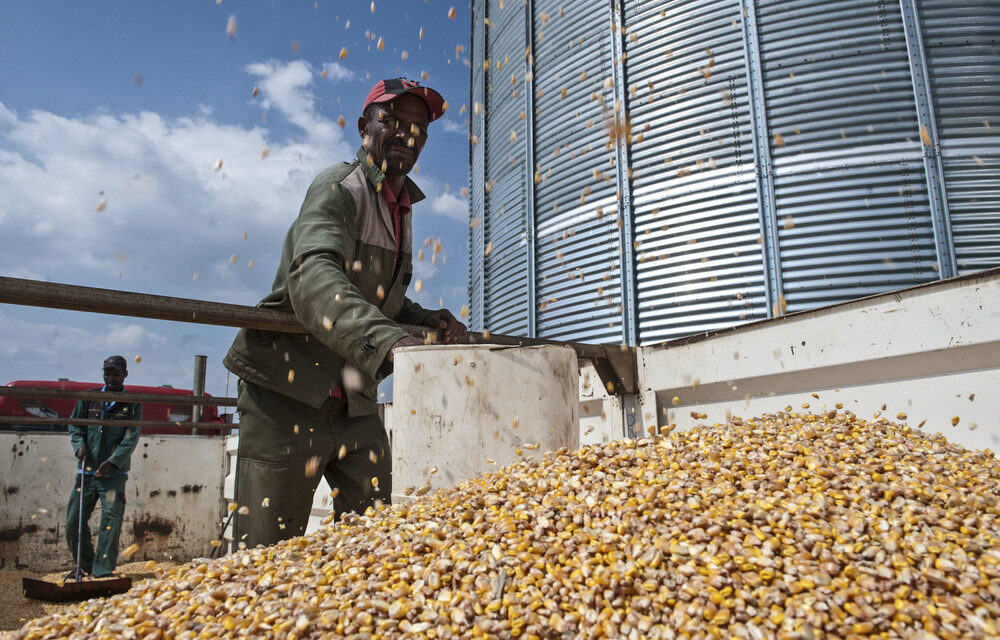
Urgent, science-driven action is needed to protect the well-being of people, ecosystems and the planet from the worsening impacts of climate change.
This call comes from Science20 (S20) — the G20’s official science and technology engagement group formed by national science academies to represent the global scientific community — in its 2025 statement on climate change and well-being, released by S20 South Africa.

caaj
CLIMATE CHANGE

Clean Air Issue 35 No 1 is now available!

This month we look back at the first issue from 2025. Articles in the Clean Air Journal brought up the key issues of integration of air quality and climate change policy interventions, vehicle emission standards in South Africa, and particulate matter trends in Dar es Salaam. Air Quality has featured strongly at the G20 talks this year and the issue also featured an editorial highlighting the well-being and equity benefits of taking action for clean air. South Africa has achieved a historic first under it’s G20 Presidency with the Cape Town Ministerial Declaration on Air Quality. It is the first time in the history of the G20 forum that air quality has been placed on the agenda.


s206oct
EVENTSG20

#KnowYourG20: Wearing multiple hats: Academic freedom, science policy, and following protocol within the ASSAf


Source: https://www.enca.com/business/knowyourg20-wearing-multiple-hats-academic-freedom-science-diplomacy-and-following

In the modern knowledge society, the role of an academic is no longer confined to teaching and research within university walls.

Members of ASSAf find themselves wearing multiple hats—simultaneously acting as scholars, advisors, diplomats, and custodians of institutional integrity.

This multiplicity of roles reflects the complexity of science in society, where the pursuit of truth must be balanced with public responsibility, global engagement, and adherence to professional norms.

Worn together, these hats illuminate the dynamic interplay between academic freedom, science diplomacy, and protocol within an academy of science.
The first and most fundamental hat is that of the independent scholar. Academic freedom is the cornerstone of any academy of science, allowing members to pursue inquiry without fear of censorship, political pressure, or ideological interference.

women
CLIMATE CHANGE

Women in Agriculture Webinar: Driving Food Security in a Changing Climate

Webinar date: 30 September 2025
Time: 12:00-14:00 SAST
Venue: Zoom (online)
Register here | View the programme

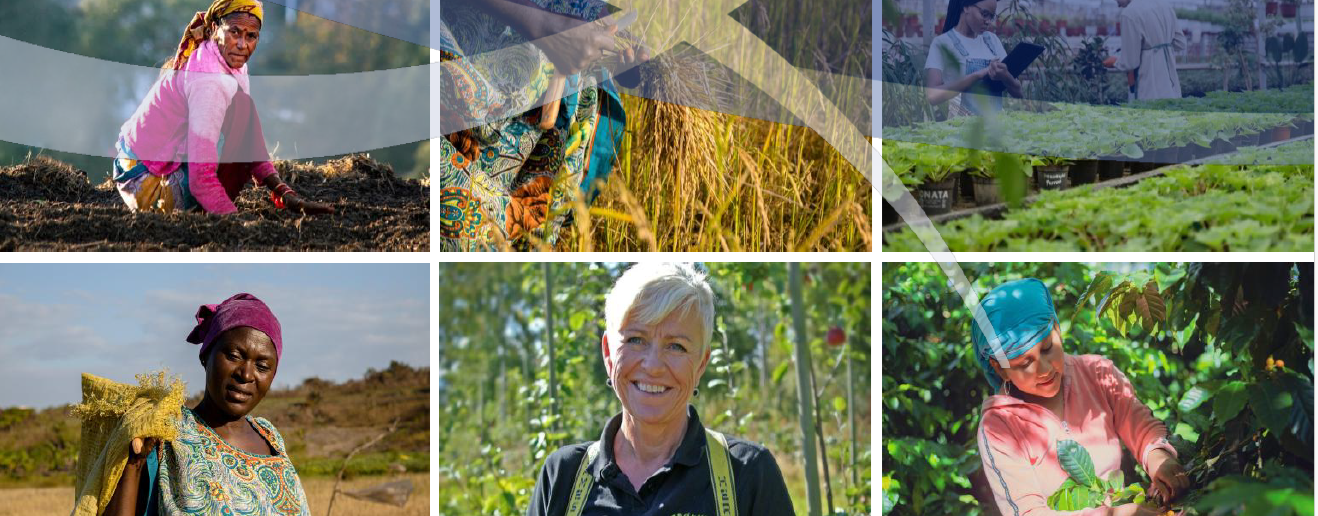
Globally, women are frequently recognised as central figures in agricultural production, yet they remain systematically undervalued. Structural barriers such as restricted access to land, financial services, education, and agricultural technologies, have significantly limited their full participation and potential in the sector. These structural barriers are equally prevalent for women in South Africa. An Exploratory Study on Women and Gender Equality in South African Agriculture highlights that gender equity challenges continue to impede women’s effective participation in agriculture. Overcoming these barriers is essential, as increasing women’s involvement in the sector is vital for strengthening food security, particularly in the face of escalating climate change impacts.
It is on this basis that the Academy of Science of South Africa, through its’ Inclusivity Initiative in partnership with the University of Fort Hare (UFH) and The Organization for Women in Science in the Developing World, South African National Chapter (OWSD SA NC) Invite you to a webinar focused on empowering women in agriculture to drive significant impact in addressing food security challenges amid climate change.

Health Emergency
CLIMATE CHANGE

Failing to protect the climate could violate international law

Citation:
DHAI, A. Failing to protect the climate could violate international law. SAJBL [online]. 2025, vol.18, n.2 [cited  2025-09-28], pp.36-36. Available from: <http://www.scielo.org.za/scielo.php?script=sci_arttext&pid=S1999-76392025000200001&lng=en&nrm=iso>. ISSN 1999-7639.

Awareness of the associations between climate change, related extreme weather events and disease prevention and care outcomes is growing in momentum. Extreme weather events resulting from climate change impact disease-affected regions and populations, in particular in the resource-poor parts of the world. Eastern and southern Africa, regions at elevated risk for precipitation extremes, carry >54% of the global burden of people living with HIV. These regions are experiencing annual droughts and/or rainfalls of increasing duration and intensity. There is growing evidence in sub-Saharan Africa of the link between extreme weather events and HIV acquisition risks, and it has been shown that drought and flooding are associated with lower antiretroviral therapy adherence and poorer HIV clinical outcomes among people living with HIV.