


16 January 2025
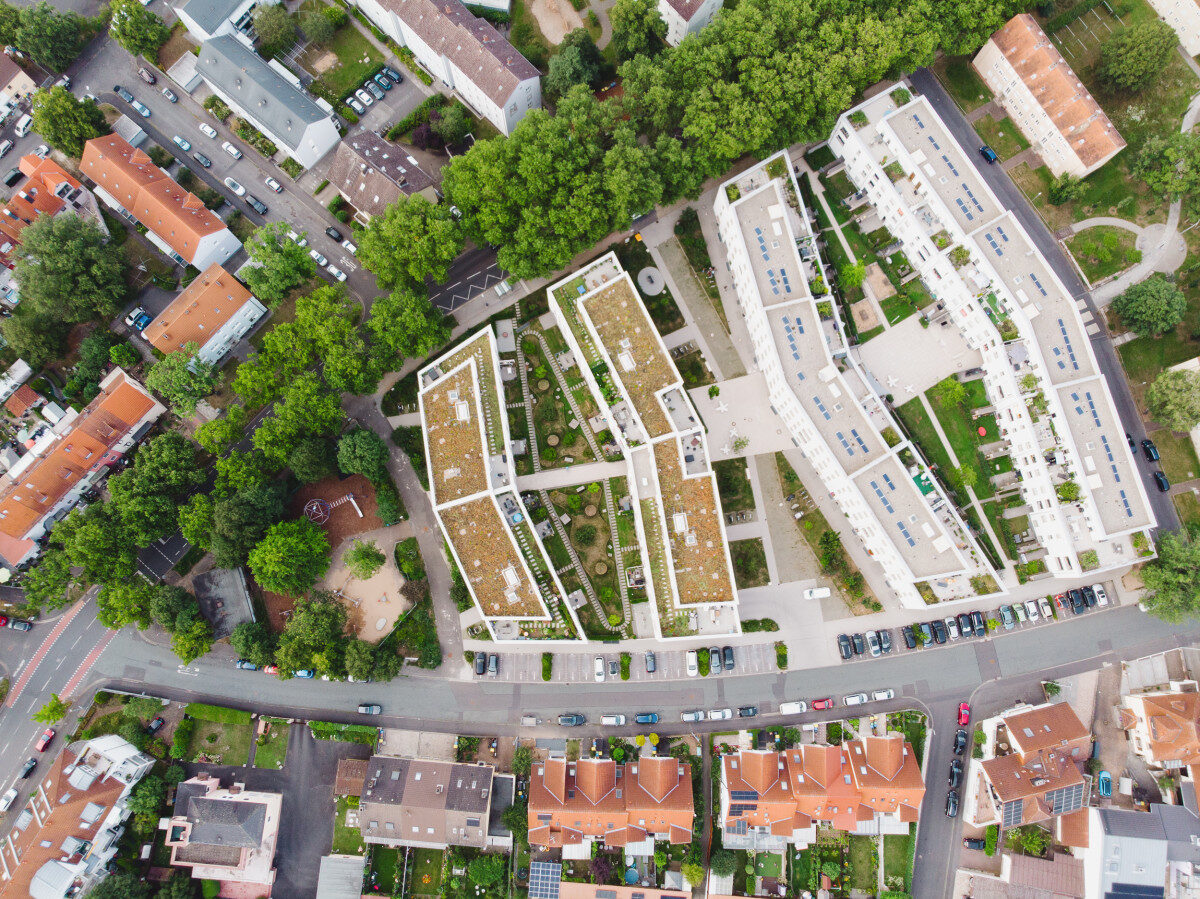
Lack of skilled workers could delay climate-proofing Europe’s homes and cities
Europe’s ageing buildings are particularly vulnerable to the damaging effects of climate change, with homes increasingly threatened by floods or at risk of becoming unbearably hot to live in. The job of adapting the spaces where Europeans live to better withstand rising temperatures and more frequent extreme weather events is set to be made even harder by a lack of construction workers with the right expertise. Companies already face a severe shortage of skilled labour as they struggle to introduce low-emission building practices and more sustainable materials. Industry representatives say that the impact of climate adaptation has yet to emerge as an important issue. Researchers warn that a lack of skills and knowledge could jeopardise urgently needed measures.
16 January 2025
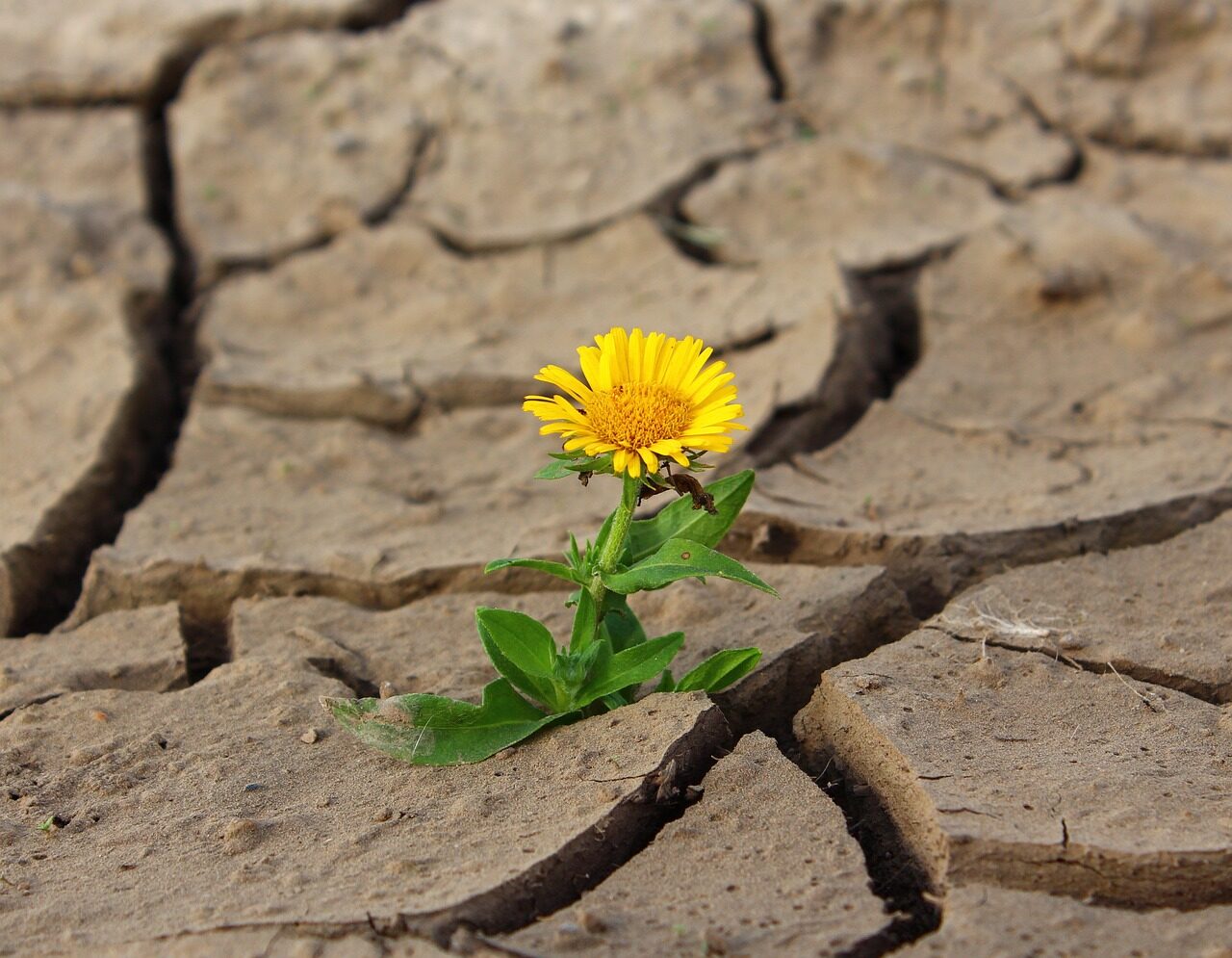
Global increase in the occurrence and impact of multiyear droughts
Source: https://www.science.org/doi/10.1126/science.ado4245
Droughts are increasing in frequency and severity worldwide as climate warms. The question is, are the longest-lasting and most severe of these, called “megadroughts,” also happening more often and, if so, where? Chen et al. used a morphological approach to identify megadroughts globally over the past 40 years and applied drought and plant-greenness indices to determine their impacts on vegetation (see the Perspective by Hoover and Smith). The authors concluded that megadroughts also are increasing in occurrence, frequency, and severity on a global scale, and identified the regions where the vegetation is highly susceptible to these episodes. —Jesse Smith
16 January 2025
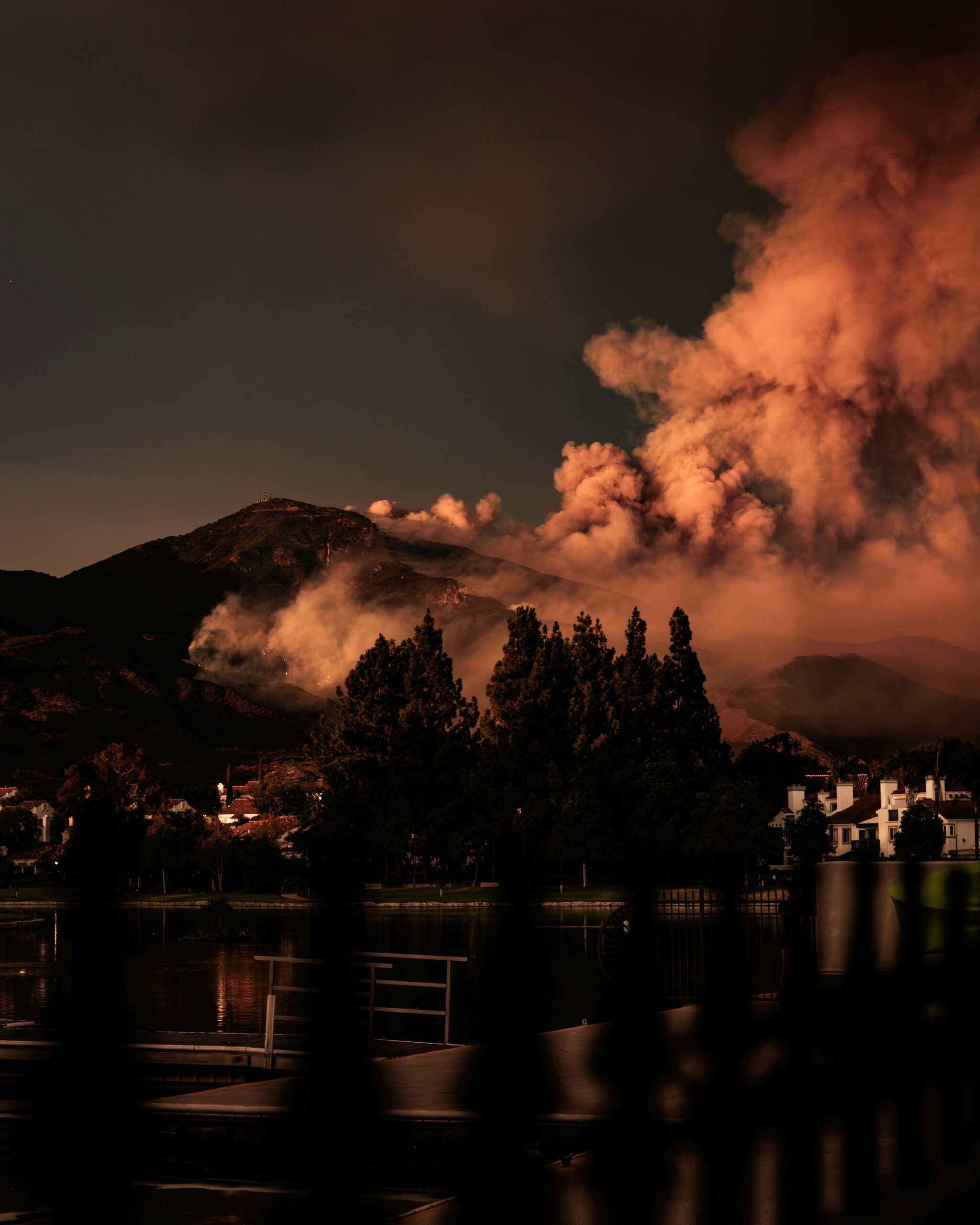
LA Wildfires: Why we must prepare for climate change
Source: https://www.thebci.org/news/la-wildfires-why-we-must-prepare-for-climate-change.html
Since January 7 wildfires have raged across Los Angeles in the USA, destroying property, leaving tens of thousands of homes without power, and claiming the lives of at least 34 people. These destructive fires are reportedly caused by wetter-than-average conditions that initially spurred vegetation growth, which has since dried out and become highly flammable due to drought. Currently, a red flag warning is in place as strong Santa Ana winds are expected to exacerbate the situation.
Experts say that climate change is altering global weather conditions that make extreme events such as these more likely. The World Meteorological Organization’s State of the Climate Update for 2024, presented at November’s COP29[1], once again issued a red alert over the pace of climate change. The update said that the Paris Agreement’s targets, introduced to reduce the average global temperature, are in great peril and that “extreme weather is wreaking havoc on communities and economies across the world.”
16 January 2025
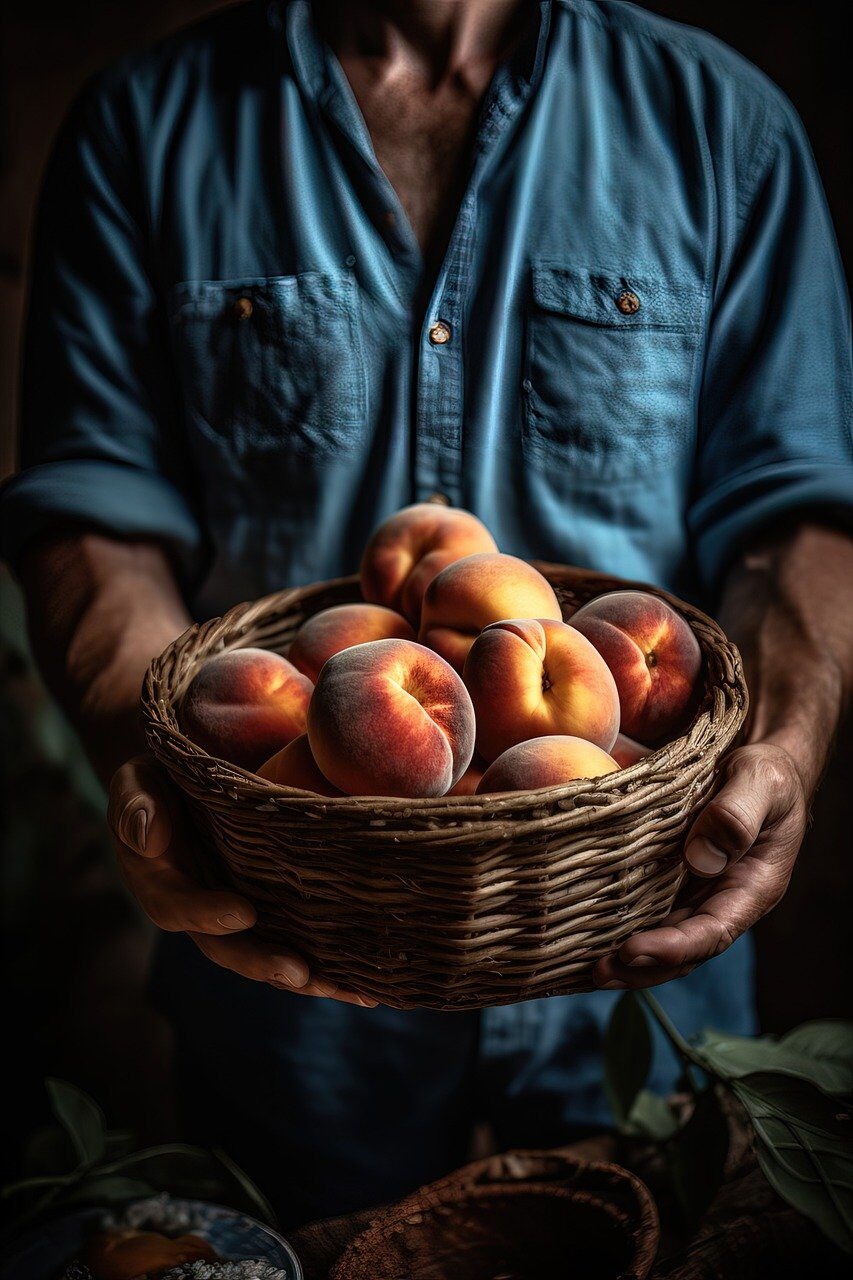
Geoengineering strategies against climate change could positively impact agriculture
Source: https://phys.org/news/2025-01-geoengineering-strategies-climate-positively-impact.html
On the basis of current carbon emissions rates and climate policies, average global temperatures are projected to increase to 2.9°C above preindustrial averages by the end of the century. Such an increase would severely strain global agriculture, making large tracts of current production areas unsuitable for crops and livestock. At the same time, the Food and Agriculture Organization of the United Nations estimates that food production needs to increase by 70% to keep pace with population growth.

16 January 2025
Devastating Volcanic Eruption Sparked Ritual Sacrifice of Neolithic Sun Stones
Volcanic eruptions shaped the destinies of ancient European societies, leading to dramatic cultural shifts and the emergence of sun worship practices among Neolithic communities.
Archaeological findings, including the mysterious sun stones from Bornholm, shed light on how our ancestors responded to climate-induced challenges with ritualistic fervor.
Volcanic eruptions throughout history have profoundly impacted human societies, often triggering cold weather, reduced sunlight, and poor harvests. For example, in 43 BC, a volcanic eruption in Alaska released large amounts of sulfur into the stratosphere, leading to years of failed harvests across the Mediterranean region. This environmental disruption caused widespread famine and disease, as documented in ancient Greek and Roman writings.

16 January 2025
Davos: Rich and powerful must uphold their responsibility to safeguard humanity
Ahead of the World Economic Forum’s annual meeting in Davos, which begins on 20 January, Amnesty International’s Secretary General Agnès Callamard said:
“As many of the world’s wealthiest and most powerful people meet in Davos once again, they must acknowledge the gravity of the challenges facing humanity and the urgent need to change course. The themes for this year’s event raise some difficult questions that must be addressed.
“Are we truly entering an ‘Intelligent Age’, as the World Economic Forum posits? While artificial intelligence, robotics and biotech advances claim to revolutionize our existence, there is no guarantee that all of humanity will reap the benefits. Enough warning bells have already been sounded about emerging technologies from experts and the communities most impacted by their unchecked use and deployment.

16 January 2025
The relentless pursuit of wealth is destroying our planet
Source: https://troymedia.com/viewpoint/how-the-pursuit-of-wealth-is-destroying-our-planet/
The world is literally burning. Innocent children are being killed. People are dying from diseases that we can cure or prevent. Our existing institutions – environmental and humanitarian laws, judicial systems, and elected governments – have been ineffective in addressing these crises. The relentless pursuit of wealth and power seems to overshadow every other principle. As a result, both humanity and our environment are being systematically destroyed.
Amid these challenges, we seem to have forgotten that change is the only constant in life. The only way to navigate this change successfully is through truth, wisdom, and love for ourselves and our neighbours. We cannot go back to the way things used to be. The path forward lies in adapting to a new reality – one that values collective well-being over individual greed.
16 January 2025
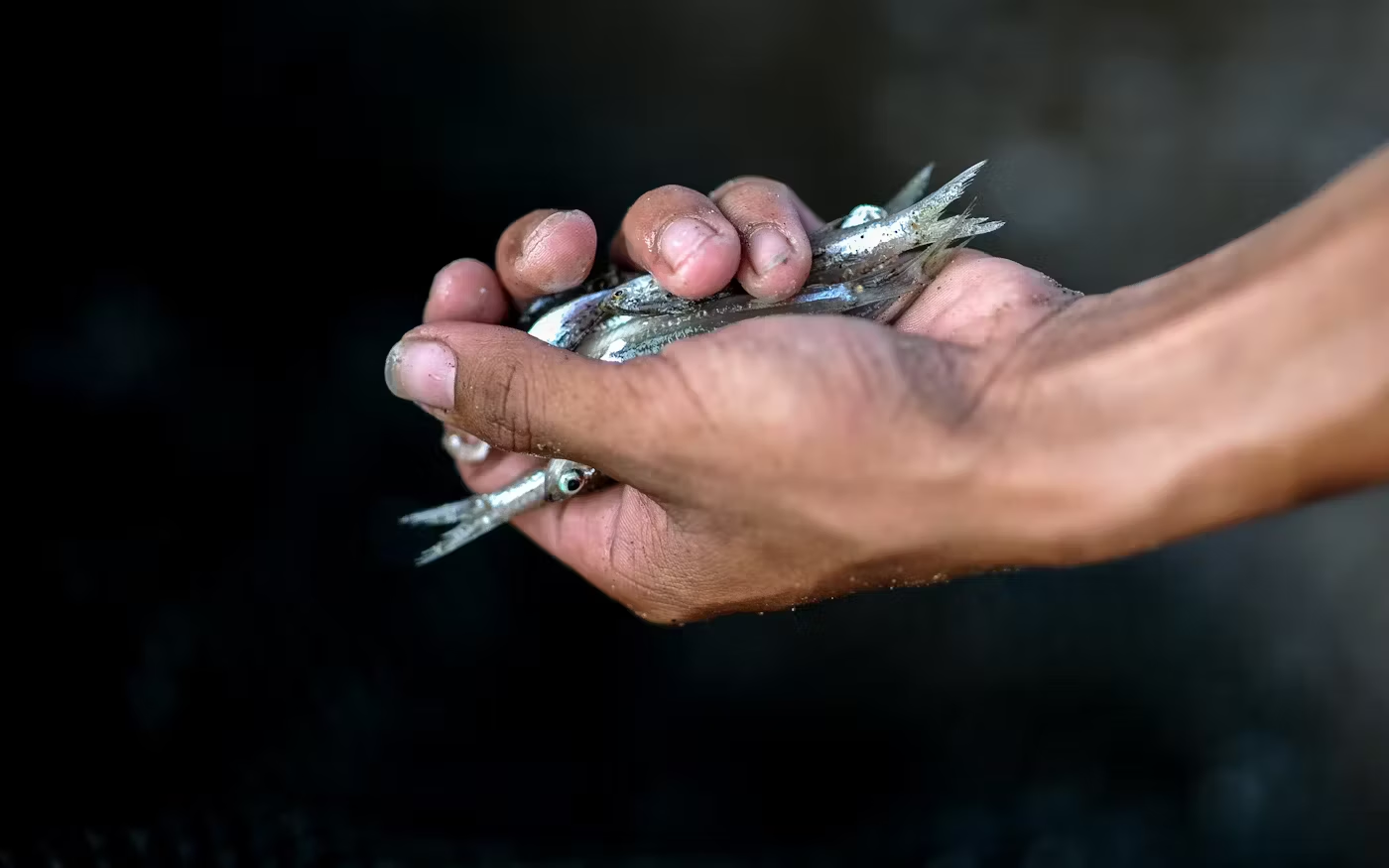
How biodiversity impacts every corner of human life
Source: https://www.eco-business.com/news/how-biodiversity-impacts-every-corner-of-human-life/
As wildlife vanishes from much of the planet, nature’s role in human life is highlighted in new WWF report.
Overhunting, ecosystem destruction and climate change caused by human emissions are all contributing to a rapid decline of global biodiversity.
A new report released by the World Wildlife Fund, an NGO, highlights what humanity is losing as a result.
From the large whales that mix ocean waters and make them more able to sustain life to tapirs that help the Amazon forest grow and provide rainwater to South America, the planet’s biodiversity is deeply connected to humanity’s well-being.

15 January 2025
Biodiversity, Climate, and Beyond: International Union for Conservation of Nature’s Conservation Focus
Biodiversity, the variety of life on Earth, is a cornerstone of ecological health and resilience. It encompasses the diversity of species, genetic variations, and the ecosystems they form. This rich tapestry of life is not merely an aesthetic wonder; it plays a crucial role in maintaining the balance of our planet’s ecosystems.
Healthy biodiversity contributes to ecosystem services that are vital for human survival, including clean air and water, pollination of crops, and regulation of climate. The intricate relationships among species create a web of interdependence that supports life as we know it. When biodiversity thrives, ecosystems are more robust and capable of withstanding environmental changes.