flood
CLIMATE CHANGE

New project will develop AI tool to help respond to climate-change health emergencies


Source: https://www.kcl.ac.uk/news/new-project-will-develop-ai-tool-to-help-respond-to-climate-change-health-emergencies

A new consortium led by Dr Iain Marshall at King’s College London has been awarded £4m from Wellcome to develop an AI tool for generating the information needed to support policy and humanitarian responses to climate-change health emergencies.

The international project brings together investigators at King’s in the UK, Jigjiga University in Ethiopia, the Health Foundation South Africa, the World Heart Federation in Switzerland, and Northeastern University, Brown University and International Rescue in the US.

The team hopes the new tool will drastically reduce the time, effort and cost of producing the evidence needed to respond to climate-change health emergencies, improving decision-making and, ultimately, the lives of affected communities.

ParliamentLookUp
CLIMATE CHANGE

Uniting agendas: Why we need a Climate, Nature and Human Health Bill

Source: https://www.edie.net/uniting-agendas-why-we-need-a-climate-nature-and-human-health-bill/

Until very recently, the climate and nature crises were treated as distinct issues, addressed by specialised independent bodies and siloed departments within governments and non-governmental organisations. Gradually, as these crises intensify and their interconnectedness becomes more and more apparent, this mindset is shifting and a new, more joined-up approach is being explored, trialled and pushed by certain policymakers.

At its 2024 Annual Meeting, the World Economic Forum Centre for Nature and Climate called for a ‘systemic response’ to the climate and nature crises. Next week, the UK Parliament will debate the need for a Climate and Nature Bill, which would integrate these once separate agendas. Issues around climate and nature will come together both physically and conceptually once again at  COP30 in the Brazilian Amazon in November.


sustain-planet
CLIMATE CHANGE

New review calls for shift from economic growth to well-being within planetary limits


Source: https://phys.org/news/2025-01-shift-economic-growth-planetary-limits.html

A comprehensive new review by experts in the sustainability science field, published in The Lancet Planetary Health, is challenging the long-held assumption that economic growth is necessary for societal progress.

The review, led by the Institute of Environmental Science and Technology of the Universitat Autònoma de Barcelona (ICTA-UAB) and titled “Post-growth: the science of wellbeing within planetary boundaries,” explores the rapidly advancing field of post-growth research and presents a compelling case for prioritizing human well-being and ecological sustainability over endless economic expansion.

11725-youth-climate-anxiety
CLIMATE CHANGE

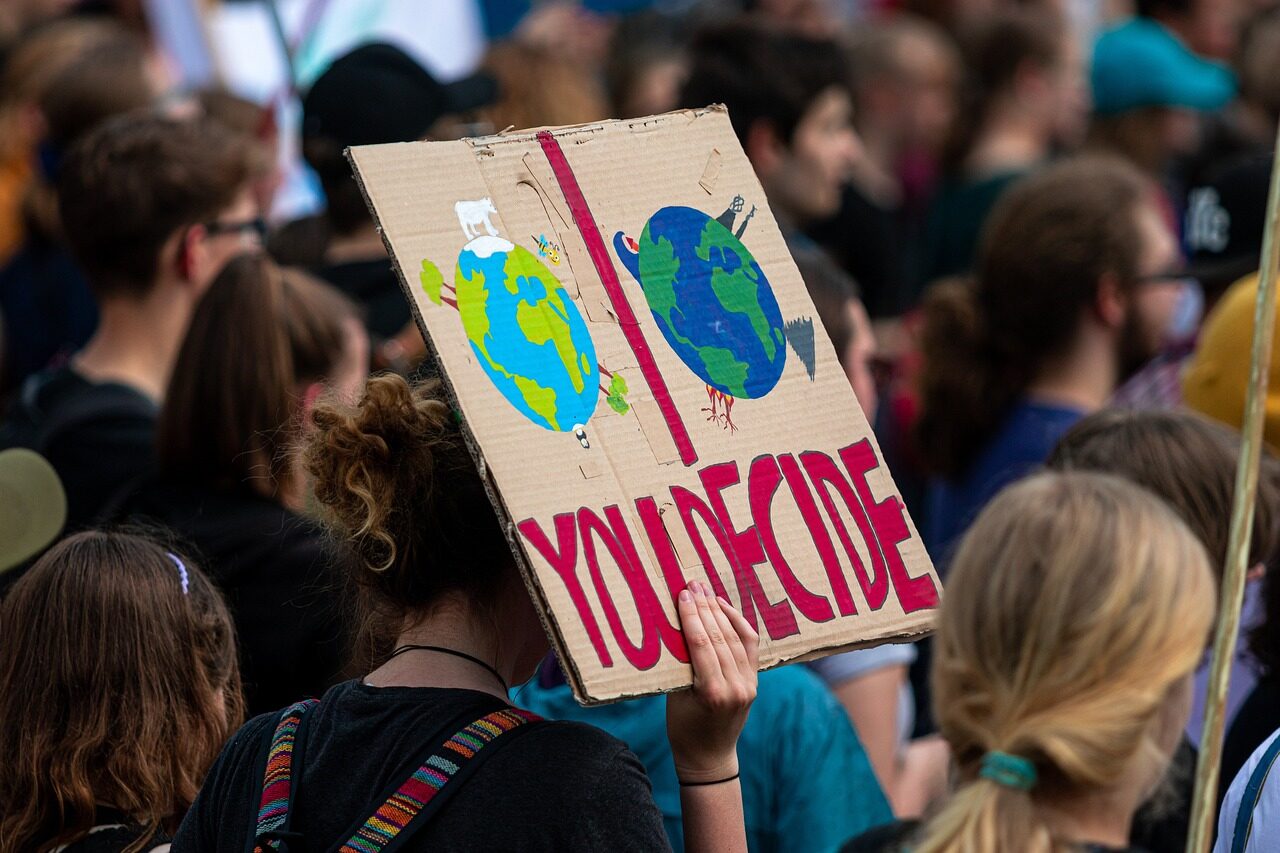
Young people are suffering of climate anxiety

Source: https://yaleclimateconnections.org/2025/01/young-people-are-suffering-from-climate-anxiety-heres-how-to-help/

For young people around the world, climate change no longer seems a distant threat, but a present reality.

One recent study published in the peer-reviewed journal The Lancet Planetary health surveyed 10,000 young people in 10 countries. A staggering 59% were very or extremely worried about climate change, and the vast majority (84%) were at least moderately worried.

Those who have experienced climate-related disasters suffer even more mental stress: Nearly one-third of disaster-affected people may experience negative mental health outcomes such as post-traumatic stress disorder, anxiety, or depression. Children, in particular, are bearing a significant emotional burden.

hospice-4135835_1280
CLIMATE CHANGE

Healthcare in a Changing Climate: Investing in Resilient Solutions


Source: https://www.weforum.org/publications/healthcare-in-a-changing-climate-investing-in-resilient-solutions/

Climate change will have a profound impact on people and economies – causing an estimated additional 14.5 million deaths and $12.5 trillion in economic costs between today and 2050. However, through investments in enhanced prevention, improved diagnostics and novel treatments, 6.5 million lives could be saved, economic losses reduced by $5.8 trillion and 1 billion fewer disability-adjusted life years (DALYs) accrued.

demonstration-4891275_1280
CLIMATE CHANGE

Climate change affects multiple dimensions of well-being through impacts, information and policy responses

Source: https://www.nature.com/articles/s41562-022-01467-8

The consequences of climate change and responses to climate change interact with multiple dimensions of human well-being in ways that are emerging or invisible to decision makers. We examine how elements of well-being—health, safety, place, self and belonging—are at risk from climate change. We propose that the material impacts of a changing climate, discourses and information on future and present climate risks, and policy responses to climate change affect all these elements of well-being. We review evidence on the scale and scope of these climate change consequences for well-being and propose policy and research priorities that are oriented towards supporting well-being though a changing climate.

sea
CLIMATE CHANGE

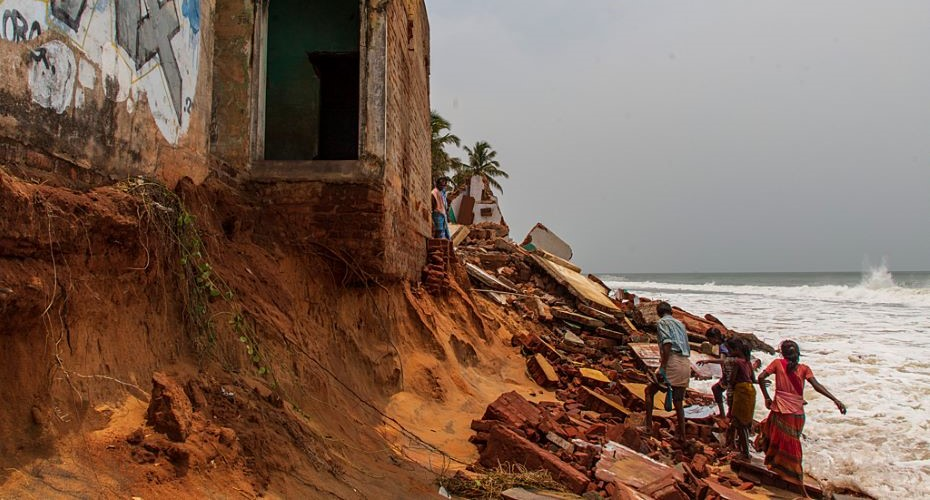
Current climate policies risk catastrophic societal and economic impacts

Source: https://news.exeter.ac.uk/faculty-of-environment-science-and-economy/current-climate-policies-risk-catastrophic-societal-and-economic-impacts/

The global economy could face a 50% loss in GDP between 2070 and 2090 unless immediate policy action on risks posed by the climate crisis is taken, warns a new report by the Institute and Faculty of Actuaries (IFoA) and University of Exeter.

Current climate targets accept large amounts of largely unrecognised nature and societal risk. This includes accepting triggering multiple tipping points where climate change thresholds, once crossed, may be irreversible and limit our ability to control climate change. There is currently no realistic plan in place to avoid this scenario.

Climate and nature risks are driven by human activity and must be addressed now to ensure the security and wellbeing of society. Populations are already impacted by food system shocks, water insecurity, heat stress and infectious diseases. If unchecked, mass mortality, mass displacement, severe economic contraction and conflict become more likely.

mosquitoes
CLIMATE CHANGE

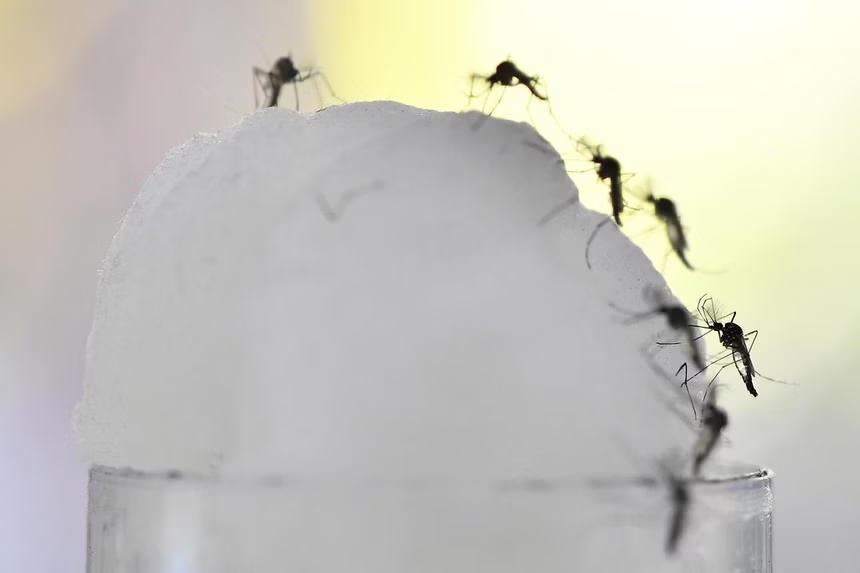
Wetter and warmer: How does climate change impact dengue transmission?

Source: https://www.straitstimes.com/singapore/environment/warmer-and-wetter-how-does-climate-change-impact-dengue-transmission

2024 was one of Singapore’s wettest and warmest years. Total annual rainfall was 8.1 per cent above the long-term average, and the year tied with 2019 and 2016 for the warmest years on record.

And from Jan 10 to 13, 2025, the Republic was battered by incessant rain associated with a monsoon surge – blasts of cold air from Central Asia. A second monsoon surge is set to hit Singapore this weekend, from Jan 17 to 19.

According to Singapore’s third national climate change study, such stormy weather is set to increase in frequency and intensity.

new-study-reveals-how
CLIMATE CHANGE

Earth’s water cycle: Study reveals how climate change may alter hydrology of grassland ecosystems

Source: https://phys.org/news/2025-01-earth-reveals-climate-hydrology-grassland.html#google_vignette

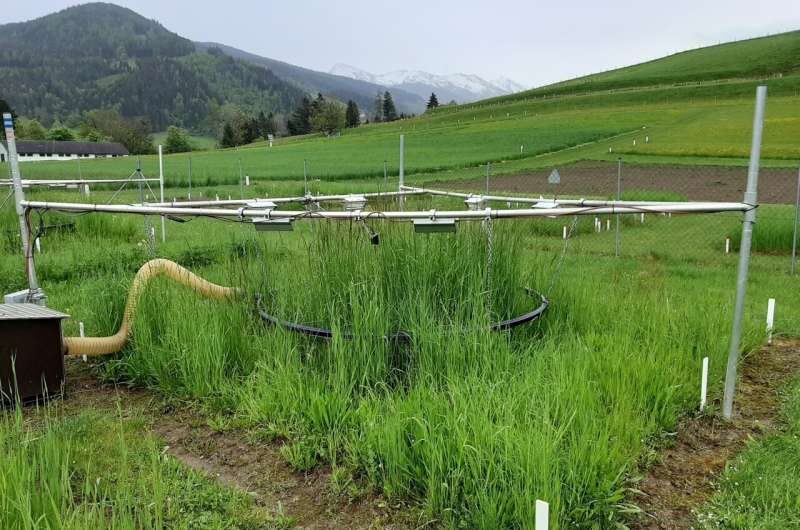
Research co-led by the University of Maryland reveals that drought and increased temperatures in a CO2-rich climate can dramatically alter how grasslands use and move water.

The study provides the first experimental demonstration of the potential impacts of climate change on water movement through grassland ecosystems, which make up nearly 40% of Earth’s land area and play a critical role in Earth’s water cycle. The study appears in the journal Science.

“If we want to predict the effects of climate change on Earth’s water resources, we need data showing how the hydrologic cycle will respond at a small scale where we can define mechanisms, but that just hasn’t been available,” said Jesse Radolinski, corresponding author of the study, a post-doctoral research associate in the UMD Department of Environmental Science & Technology who began the work at the University of Innsbruck.

Group-Photo-1920×1279
CLIMATE CHANGE

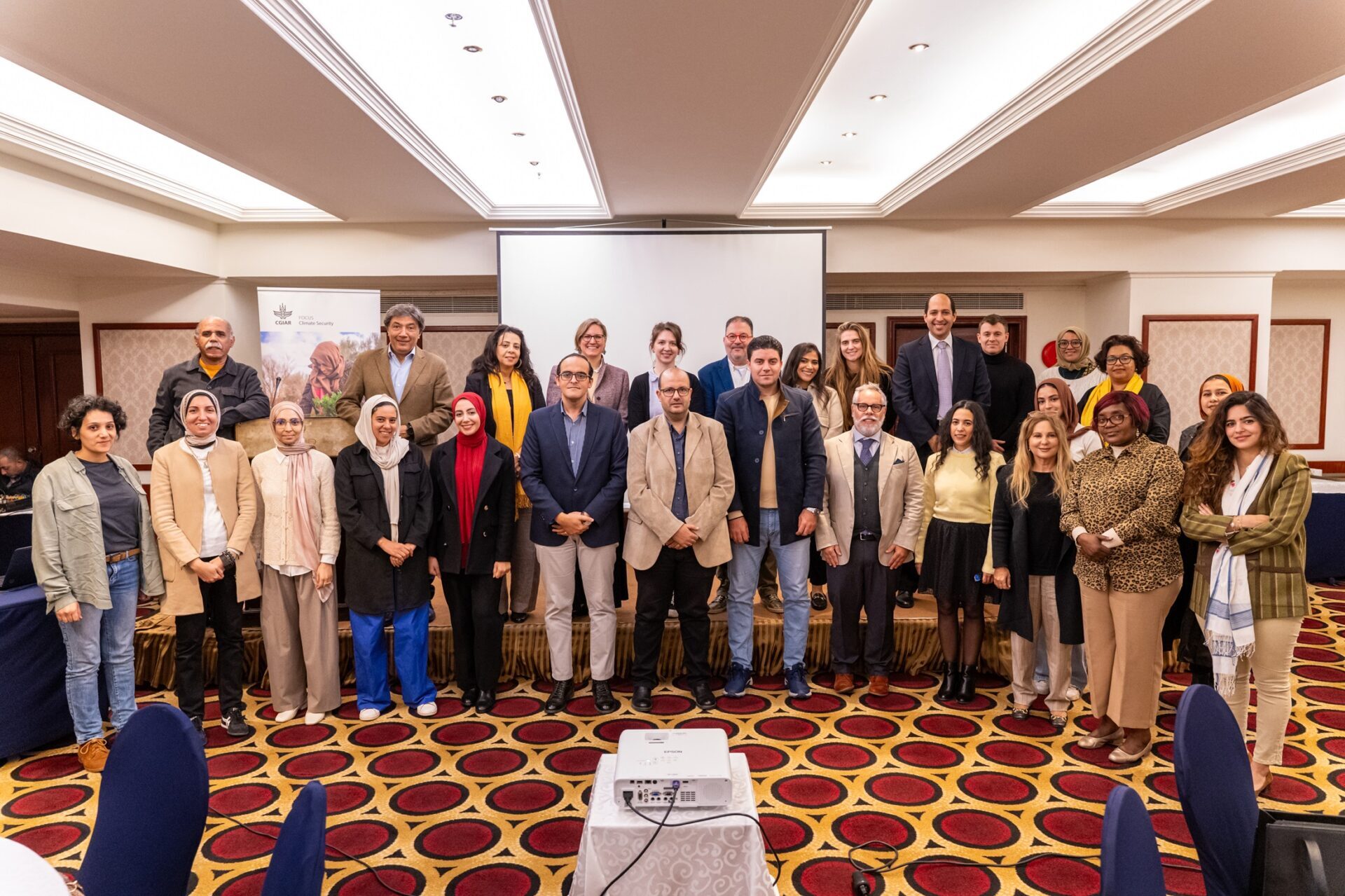
Climate, Peace, and Fragility in Egypt: Shaping a Path Forward


Source: https://www.cgiar.org/news-events/news/climate-peace-and-fragility-in-egypt-shaping-a-path-forward/

Egypt faces a confluence of challenges compounding with climate change risks: absolute water scarcity, food insecurity, rapid urbanization, as well as a burgeoning population growing by a million every 6-8 months and estimated to reach 160 million by 2050. Climate change has been linked to a range of security issues – water, food, economic and livelihood insecurity, enhancing environmental, social, and economic fragility and places pressures on policymakers. Moreover, conflicts and economic fragility affecting surrounding countries in the region have led to a migrant and refugee population of approximately 9 million. With issues such as drought, land degradation, and transboundary resource sharing serving as significant drivers of migration that compound existing geopolitical tensions, the intricate relationship between climate change and human mobility becomes increasingly clear.