


30 October 2024
Health Risks Due to Climate Change Are Rising Dangerously, Lancet Report Concludes
Source: https://insideclimatenews.org/news/30102024/climate-change-health-risks-rising-dangerously/
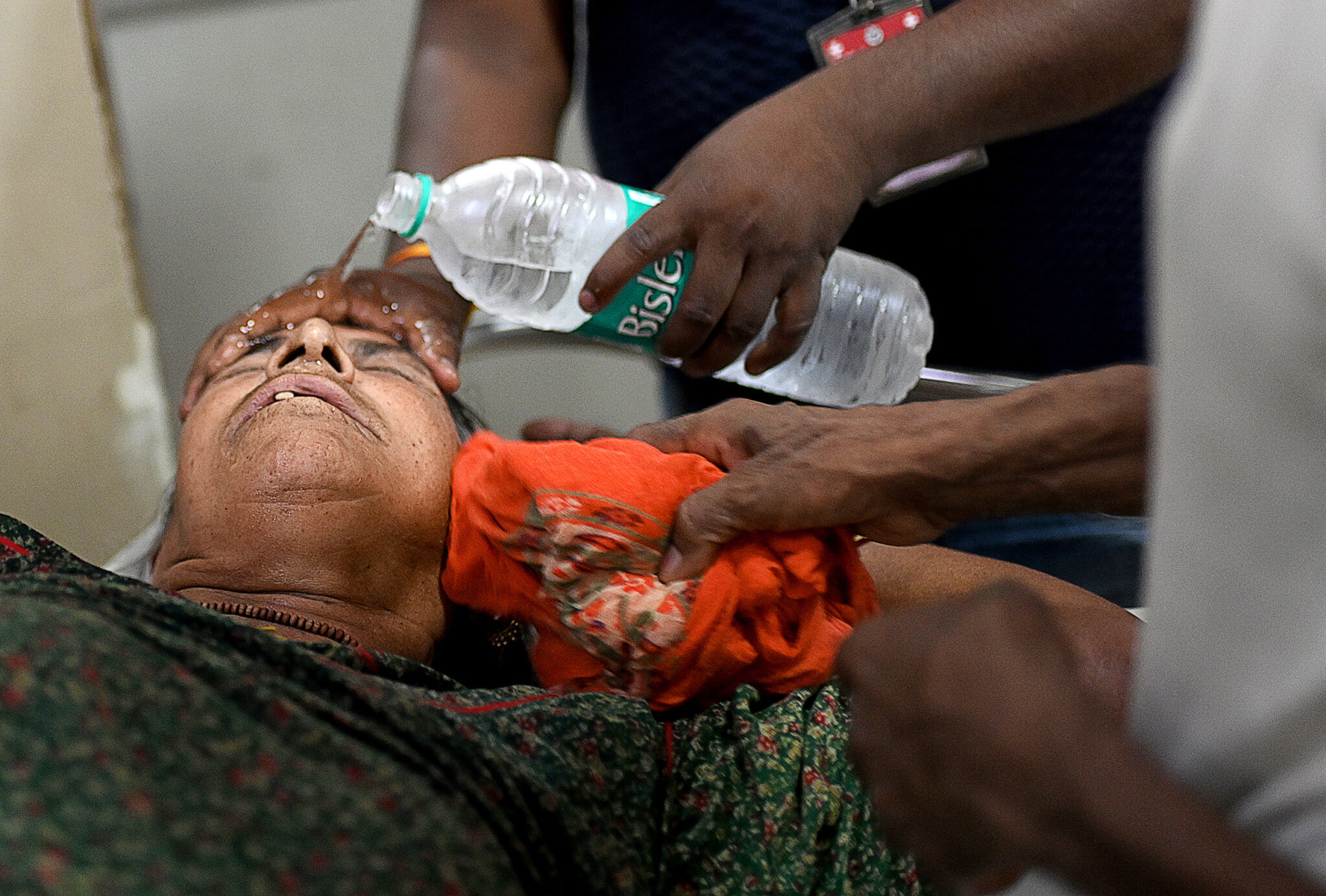
A tracking project that has been in place since nations vowed to act on climate in 2015 sees a measurable increase in exposure to disease and dangerous conditions. An international monitoring project established at the time of the Paris Agreement reported Wednesday that climate-related risks to health are worsening, with more people facing dangerous heat, food insecurity, exposure to pathogens and other threats.
The team of 122 researchers from United Nations agencies and academic institutions worldwide published their findings in The Lancet in advance of climate negotiations scheduled for next month in Azerbaijan. The findings were accompanied by an urgent plea from the authors for stronger action by governments to protect lives.

3 October 2024
Climate change is making it harder for people to get the care they need
The world is witnessing the consequences of climate change: long-lasting changes in temperature and rainfall, and more intense and frequent extreme weather events such as heat waves, hurricanes, typhoons, flooding and drought. All make it harder for families and communities to meet their care needs.
Climate change affects care systems in various ways. First, sudden illnesses and unexpected disabilities heighten the need for care. Second, it reduces access to important inputs for care such as water, food and safe shelter. Third, it can damage physical and social care infrastructures.
It can also lead to breakdowns of traditional units of caregiving such as households and communities. And it creates new situations of need with the increase in displaced person settlements and refugee camps.
5 September 2024
Pioneering report exposes worsening health threats of climate change in UK
Source: https://www.bristol.ac.uk/news/2024/september/health-impacts-of-climate-change.html
A new report has revealed for the first time the wide-ranging and increasing health dangers posed by long-term weather extremes in the UK, as the effects of climate change deepen.
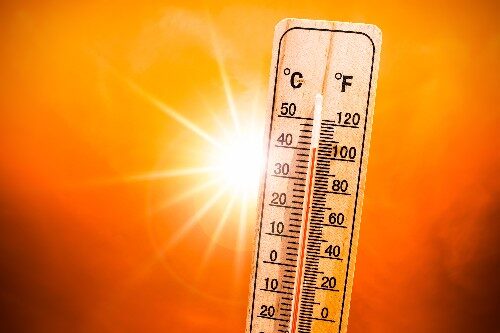
The review, published today in The Lancet Planetary Health and led by the University of Bristol, shows how prolonged exposure to extreme hot and cold temperatures not only carries greater risk of death but could also be linked to many other health issues, including reduced physical activity and dementia.
While the negative impact of weather extremes on heart and lung health are widely known, the study unites leading climate scientists, meteorologists, public health doctors, and epidemiologists to give a more comprehensive picture of the far-reaching and interrelated implications.
30 August 2024
The climate crisis is a health crisis – here’s why
Source: https://climatepromise.undp.org/news-and-stories/climate-crisis-health-crisis-heres-why
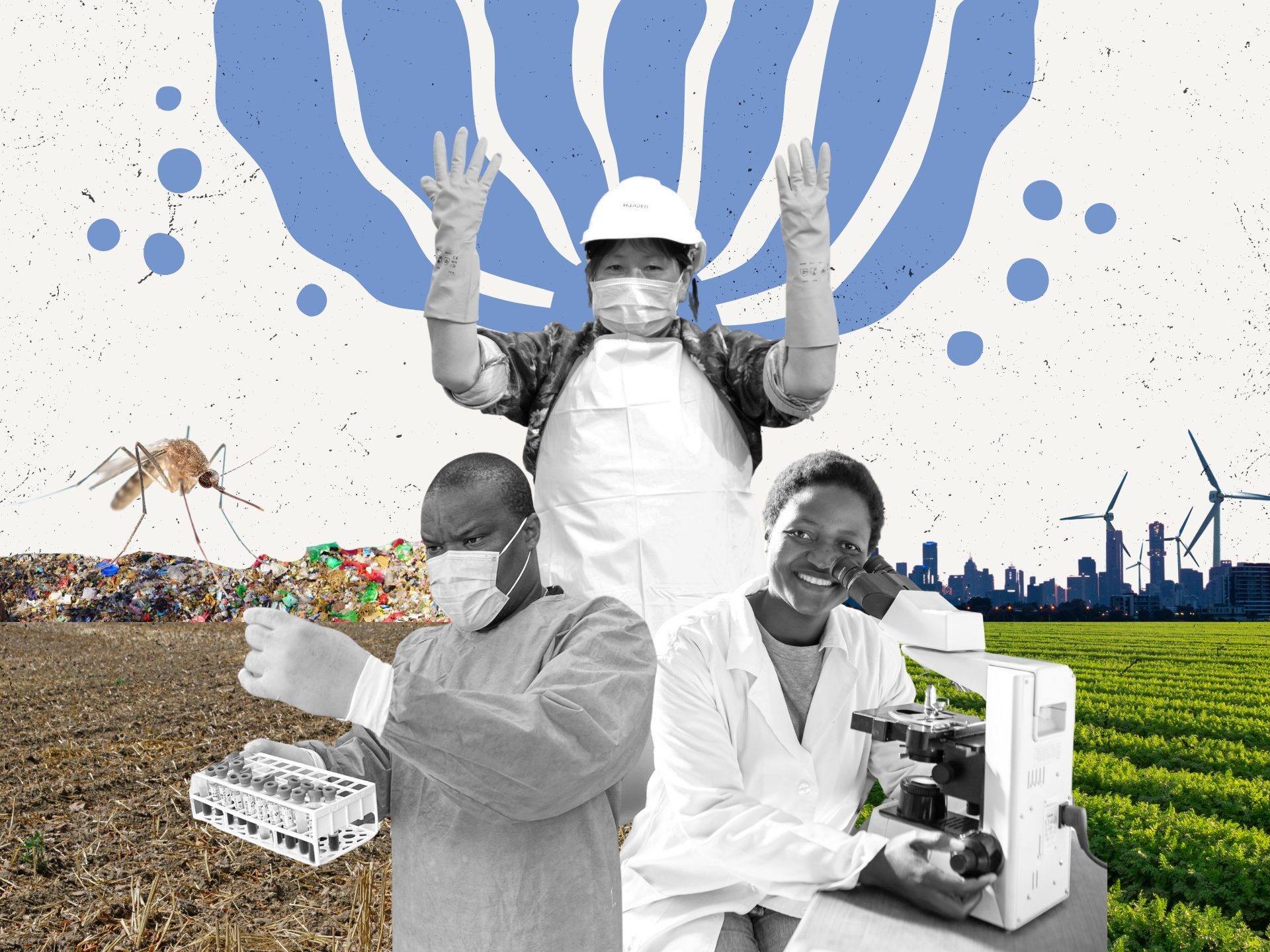
Human health is deeply interconnected with our planet’s climate and the health of the biosphere. When temperatures and sea levels rise, when storms rage and wildfire smoke pollutes the air, when habitat destruction and droughts affect water and food security, humans cannot escape the consequences–especially in countries and communities already struggling to manage existing health challenges.
As the impacts of climate change escalate, they can perpetuate or even aggravate cycles of inequality, deepening health and social inequities within and between countries. Marginalized communities, who are least equipped to cope with the effects, often bear the brunt of these impacts.
19 August 2024
Factor in climate change impact to strengthen mental health services: WHO
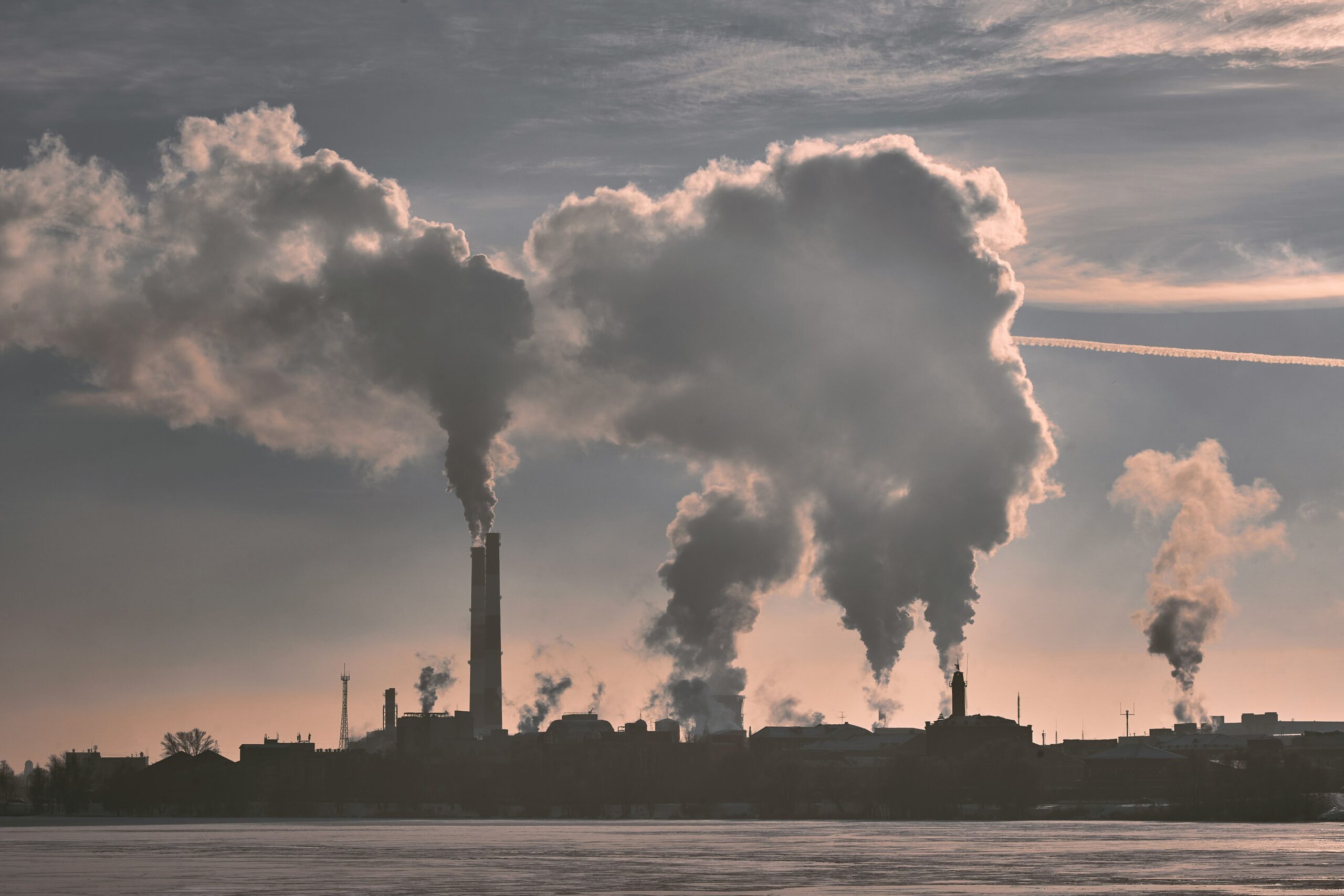
Climate change is increasingly impacting mental health and psychosocial well-being, the World Health Organization said calling on member countries in South-East Asia Region to strengthen mental health systems and services to address this growing challenge.
“Climate change exacerbates many social, environmental, and economic risk factors for mental health and psychosocial well-being. Among WHO regions, South-East Asia is most vulnerable to this,” said Ms Saima Wazed, Regional Director WHO South-East Asia, in her opening remarks at a regional workshop for ‘Strengthening capacity of countries to address the impact of climate change on mental health’, held here from 12 – 14 August.
2 May 2024
The climate crisis is a public health crisis
Source: https://www.news.uct.ac.za/article/-2024-05-02-the-climate-crisis-is-a-public-health-crisis
On 23 April 2024, as part of a series of events to mark Green Week, the Green Campus Initiative (GCI) at the University of Cape Town (UCT) participated in a Climate Change and Health Seminar on the campus of the Faculty of Health Sciences (FHS). The seminar was hosted by James Irlam, a senior lecturer in the Primary Health Care Directorate.
“The climate crisis is a public health crisis,” said Malaika Delport of the GCI at the seminar, which started with a presentation by Dr Natasha Lalloo. Lauren Pinder and Aya Yokwe, two UCT students who participated in the Planetary Health Report Card (PHRC), also made a presentation.
Dr Lalloo, a medical doctor who graduated from UCT in 2015 and who also holds a Master of Science in Public Health from the London School of Hygiene & Tropical Medicine, spoke on the topic of “Planetary Health for Medical Doctors in South Africa”. She reflected on how climate change exacerbates existing health concerns and inequities. “Our health depends directly on our environment,” said Lalloo. “As we humans change the environment, these kinds of changes impact our health.”
22 April 2024
Climate change creates a ‘cocktail’ of serious health hazards for 70 per cent of the world’s workers
The health consequences of climate change can include cancer, cardiovascular disease, respiratory illnesses, kidney dysfunction and mental health conditions. A “staggering” number of workers, amounting to more than 70 per cent of the global workforce, are likely to be exposed to climate-change-related health hazards, and existing occupational safety and health (OSH) protections are struggling to keep up with the resulting risks, according to a new report by the International Labour Organization (ILO).
The report, Ensuring safety and health at work in a changing climate, says that climate change is already having a serious impact on the safety and health of workers in all regions of the world. The ILO estimates that more than 2.4 billion workers (out of a global workforce of 3.4 billion) are likely to be exposed to excessive heat at some point during their work, according to the most recent figures available (2020). When calculated as a share of the global workforce, the proportion has increased from 65.5 per cent to 70.9 per cent since 2000.

29 February 2024
Effects of Climate Change on Health
Source: https://www.cdc.gov/climate-health/php/effects/index.html
Climate change, together with other natural and human-made health stressors, influences human health and disease in numerous ways. Some existing health threats will intensify and new health threats will emerge. Not everyone is equally at risk. Important considerations include age, economic resources, and location.
In the United States, public health can be affected by disruptions of physical, biological, and ecological systems, including disturbances originating here and elsewhere. The health effects of these disruptions include increased respiratory and cardiovascular disease, injuries and premature deaths related to extreme weather events, changes in the prevalence and geographical distribution of food- and water-borne illnesses and other infectious diseases, and threats to mental health.

18 January 2025
Drought in the Land of Plenty: The Impacts of Climate Change on Iraqi Security
Historically known as the land of the two rivers—the Tigris and the Euphrates, modern-day Iraq was the cradle of human civilization. The fertile soils of its rivers were where early humans first started farming. Global warming, however, has turned Iraq into one of the countries most vulnerable to the effects of climate change. Rising temperatures, decreasing rainfall, soil degradation, and severe droughts are transforming Iraq’s semi-arid environment into a desert. As climate change intensifies, Iraq’s water resources, agriculture, public health, and socio-economic stability will be threatened.
The Persian Gulf, where Iraq is located, is an arid environment with extreme heat. Iraq’s problems are not unique in the region—Iraq’s wealthier neighbors live in even harsher desert environments. However, they have built the capacity and resources necessary to desalinate up to 90% of their potable water. Gulf countries have a stable electric system that provides adequate air conditioning for their people. The Persian Gulf monarchies also import most of their food and invest in high-tech hydroponics systems to increase domestic production. By comparison, Iraq does not yet have the infrastructure or resources to manage the warming environment as its neighbors do.