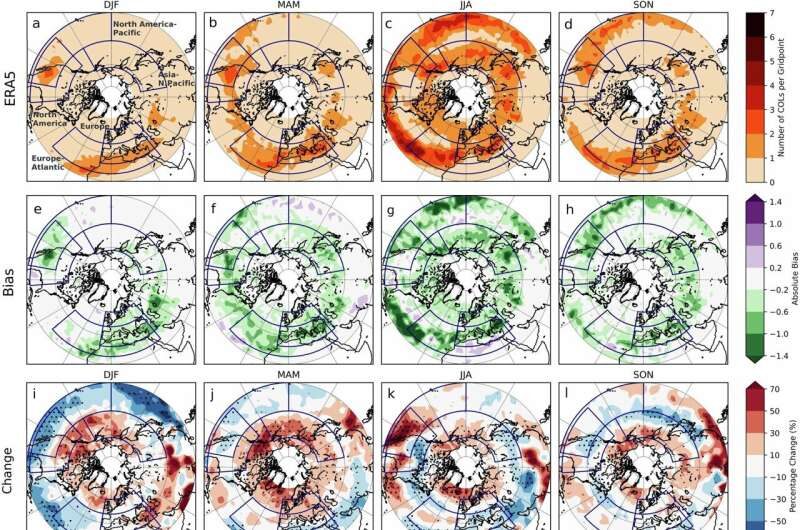
Extreme weather events are becoming more frequent as a result of climate change. River floods such as those along the Ahr and Meuse valleys in 2021, the Central European floods of last September and the recent floods in Valencia, Spain, are caused by so-called cut-off lows. The Wegener Center at the University of Graz has now for the first time investigated how these storms could change with climate change.
The Academy of Science of South Africa (ASSAf) is proud to lead the Science20 (S20) in 2025,marking South Africa’s inaugural leadership of this important forum.
The theme for this year’s S20 meeting is Climate Change and Well-being, which addresses the critical intersection of climate, food, water, energy, and land systems. This theme aligns with South Africa’s strategic priorities and the global need for sustainable, science-driven solutions to climate challenges.
Having assumed the G20 presidency from December 1, 2024, to November 30, 2025, South Africa will steer discussions under the overarching theme of Fostering Solidarity, Equity, and Sustainable Development.
Climate change poses an increasing threat to our neurological health, according to a review study led by UCL researchers.
The Perspective article, published in Nature Reviews Neurology, explores how rising temperatures and environmental changes are impacting brain function, particularly in relation to sleep, stroke and epilepsy.
Sleep is crucial for neurological and mental health, but extreme temperatures can disrupt sleep patterns. The researchers state that exploring these complex relationships will be crucial to bolster resilience to climate change and to help minimise the risk of developing neurological conditions associated with poor sleep and circadian disturbance.
Mortality rates during heatwaves have been put in the spotlight with research from The University of Queensland showing a 20 per cent increase in heatwave-related deaths due to human-induced climate change.
Another UQ study has also revealed people living in cities are at a higher risk of dying from heatwaves than regional areas.
Anthropogenic changes in global landscapes and the climate increase the risk of infectious diseases by altering the environmental niche of the disease vector or animal reservoir hosts and the adaptation of some pathogens to a warming planet.
The One Health approach, developed by the World Health Organization, recognizes the intricate interplay between human, animal and environmental health. This initiative is of utmost importance, considering the rapid spread of infectious diseases associated with environmental issues, particularly deforestation and climate change. Indeed, as the global landscape and climate are drastically changing, the emergence of zoonotic and vector-borne diseases has become a primary health concern.
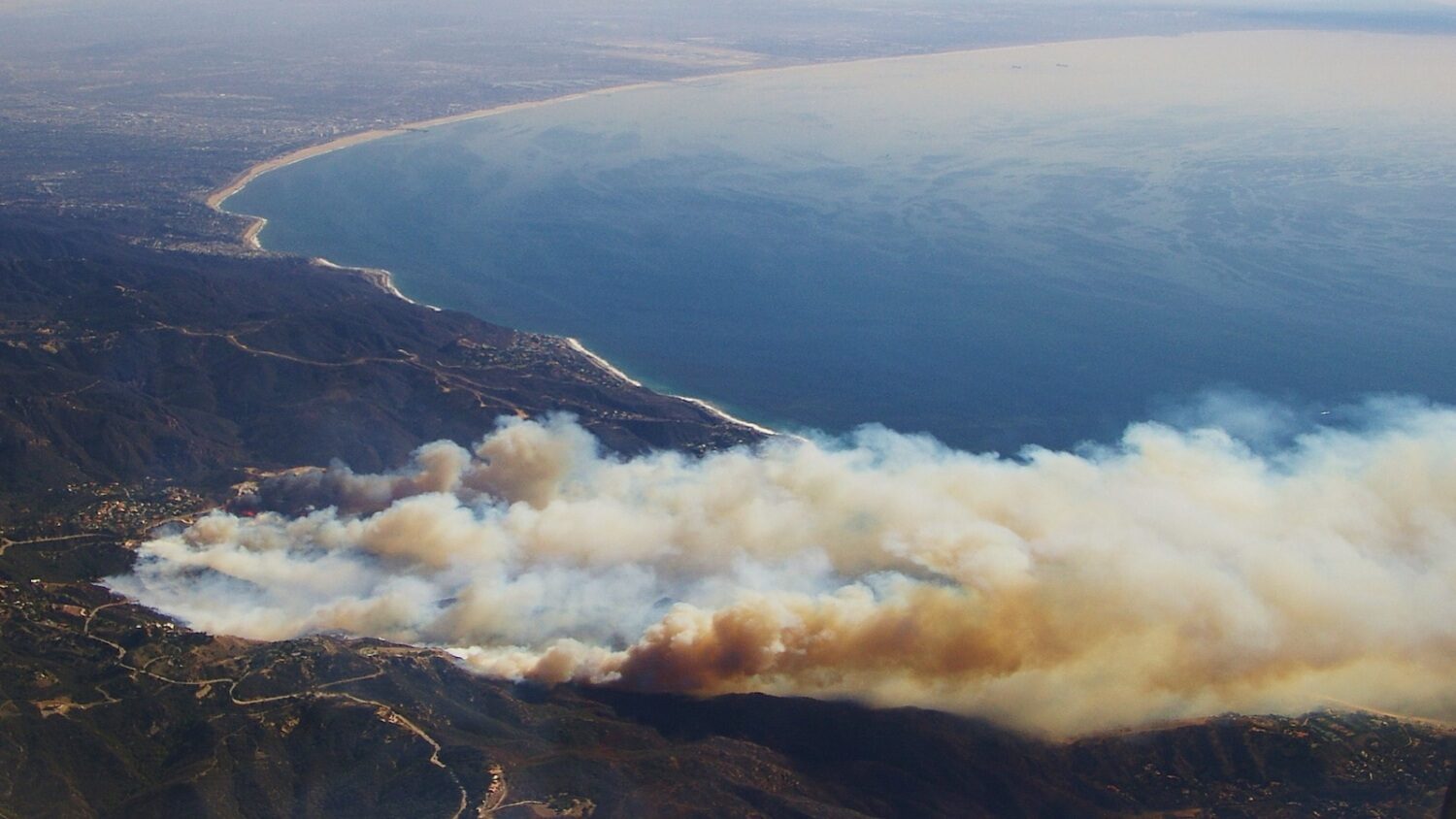
Raging wildfires across Los Angeles have burned homes by the thousands, producing a toxic “urban ash” that threatens ocean health and ecosystems.
Just a month and a half into the new year, and already more than 350 wildfires in California have consumed and destroyed over 50,000 acres of land across the counties of Los Angeles and San Diego.
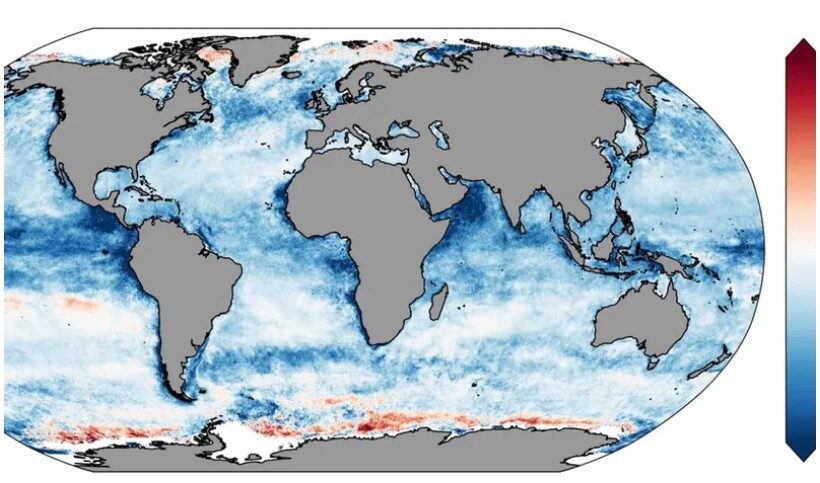
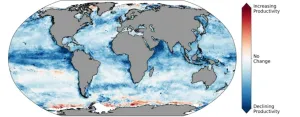
Ocean productivity has been declining globally for the past three decades, with repercussions for fisheries, marine biodiversity, and the planet’s climate regulation systems.
Ocean productivity refers to how much food and energy the ocean produces to support marine life.
According to a new study led by the Council for Scientific and Industrial Research (CSIR), analysing 26 years of satellite data, climate models underestimate the global decline in the productivity of the oceans resulting from ocean warming.
The healthcare industry is increasingly feeling the effects of climate change, impacting individual patients, clinicians, organizational operations, and public health as a whole. Nurses, as frontline caregivers and patient advocates, have a crucial role in both responding to and mitigating these environmental challenges.
The University of Johannesburg’s (UJ) Department of Communication and Media, in collaboration with SABC Radio, commemorated UNESCO World Radio Day on Thursday, 13 February 2025. This year’s theme, Radio and Climate Change, underscored the medium’s role in raising awareness and driving conversations about one of the most pressing global challenges.
The event featured a series of Thought Leadership Sessions, including discussions on Radio as a Tool for Social Change, Climate Change: What Is Happening and What Can Be Done?, and The Role of Journalism and Radio in Facilitating Climate Change Conversations.
A CSIR-led study has uncovered a disturbing trend of declining ocean productivity, with researchers warning of severe ecological and economic consequences. The extensive analysis, based on 26 years of satellite data, signals a decline in phytoplankton productivity, which could disrupt the entire marine food chain and exacerbate climate change.
The research, which spans multiple algorithms and ocean regions, has shown consistent trends of decreasing productivity. According to CSIR Principal Researcher Tommy Ryan-Keogh, these declines threaten ocean ecosystems that rely on phytoplankton, the microscopic plants responsible for photosynthesis in marine environments.