A two-year state-funded project to protect farmworker communities from the health impacts of climate change is close to wrapping up, but its impacts are set to ripple out across California for years to come.
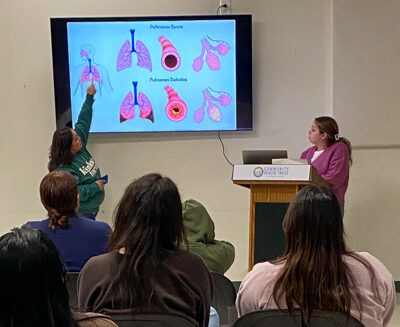
Since the start of the project in 2023, UC Santa Cruz and community partners have successfully launched a new bilingual app, through which the public can now monitor and report health risks statewide, and graduated over 50 newly trained promotores, community health advisers who lead health and safety outreach and social protection efforts.
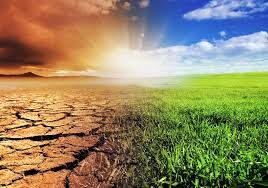
Climate change is no longer a distant threat. It’s here, it’s real and it increasingly affects us all.
But predicting climate change and its associated costs, particularly over long periods of time, is inherently uncertain. And based on the best available evidence from organisations such as the United Nations’ Intergovernmental Panel on Climate Change, the economic costs of climate change appear to be small – making this a relatively weak argument for environmental action.
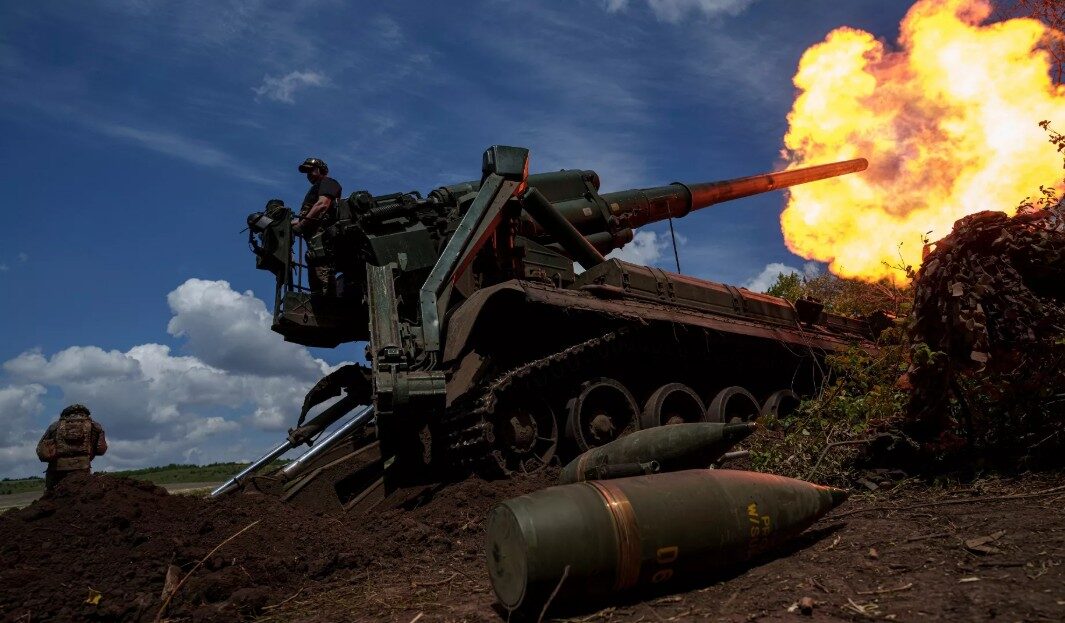
Russia’s invasion of Ukraine has emitted nearly 230 million tonnes of CO2 equivalents since it began on 24 February 2022.
Rising by 31 per cent over the last 12 months, the total is now the same as the annual emissions of Austria, Hungary, Czech Republic and Slovakia combined.
Tense negotiations on the timing and content of the UN’s next blockbuster assessment of global warming science opened in China on Monday, with US scientists reportedly absent.
The meeting in Hangzhou comes on the heels of the hottest year on record and rising alarm over the pace of warming.
In mid-February, parts of India witnessed a second spurt this year in cases of Guillane-Barré syndrome, a nerve condition causing nerve pain and sometimes paralysis, along with difficulties in breathing and swallowing. This outbreak was first reported at the end of January in Maharashtra and later in Andhra Pradesh in February and is suspected to be caused by a stomach bug.
The western Indian state has reported over 211 cases and 11 deaths as of February 19, according to news reports. Meanwhile, media has also reported 17 cases and two deaths from Andhra Pradesh in southern India since mid-February.
Encephalitis “remains under-recognized, under-diagnosed, and underfunded”, according to a new policy report from the World Health Organization (WHO).
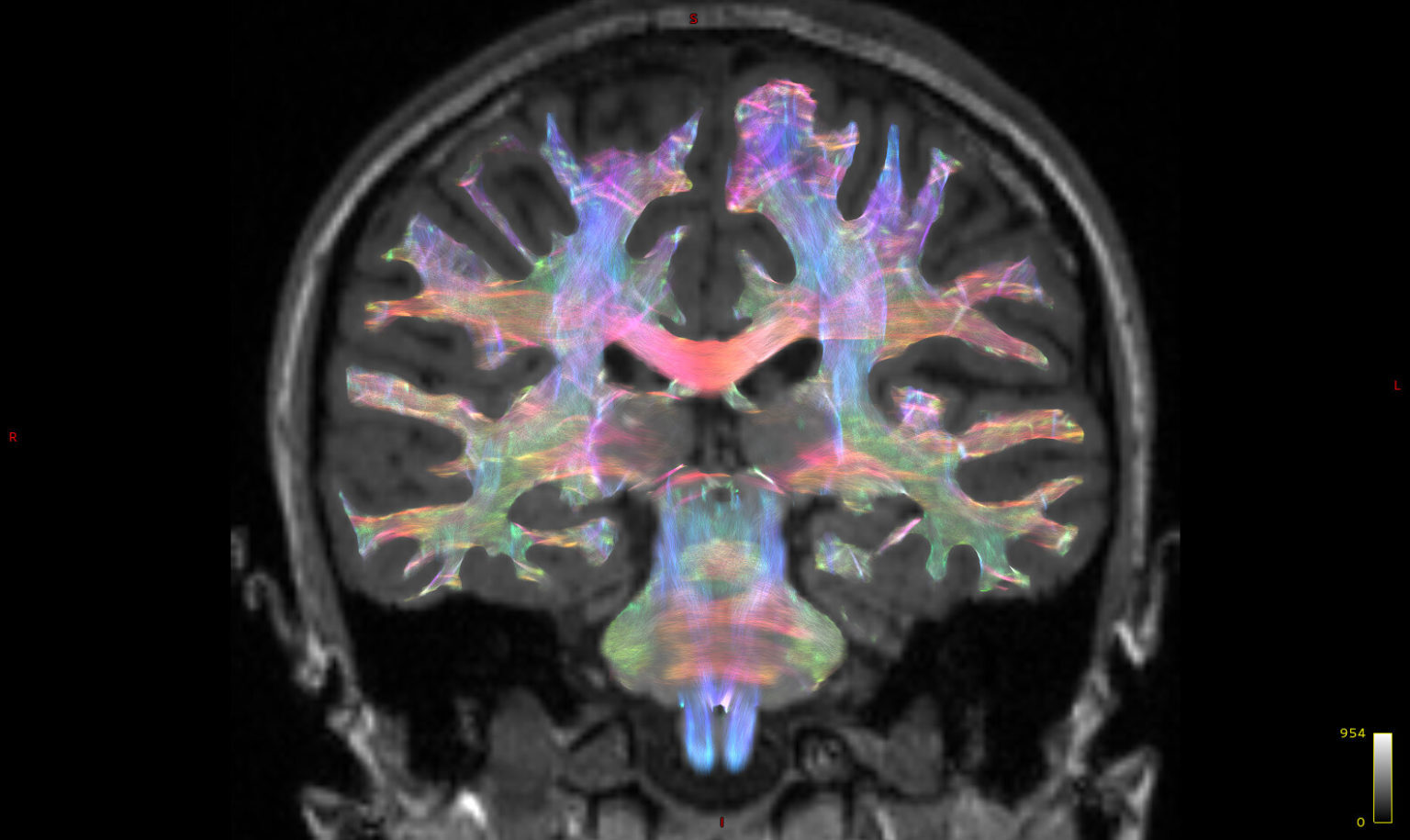
Climate change, vaccine hesitancy, and the rising burden of vector-borne diseases are also fuelling an increased number of encephalitis cases, a rare but serious inflammation of the brain.
A lecturer from the Department of Psychology at the University of Lagos, Dr Chima Okoro, says climate change contributes to the rise of psychological trauma in the country.
Speaking on the topic ‘Climate Change and Trauma: Metal Health Challenges in a Rapidly Changing World’ at the 2025 Trauma International Community of Practice organised by the Bible Society of Nigeria in Lagos on Wednesday and Thursday, February 18-19, 2025, Okoro noted that studies had shown that increasing temperature affects behaviour, leads to malnourishment and it is associated with increasing suicide.
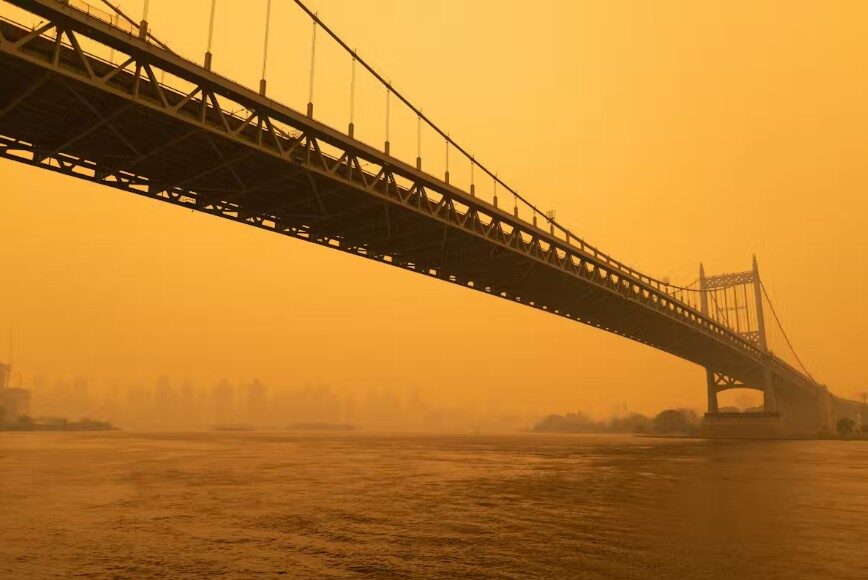
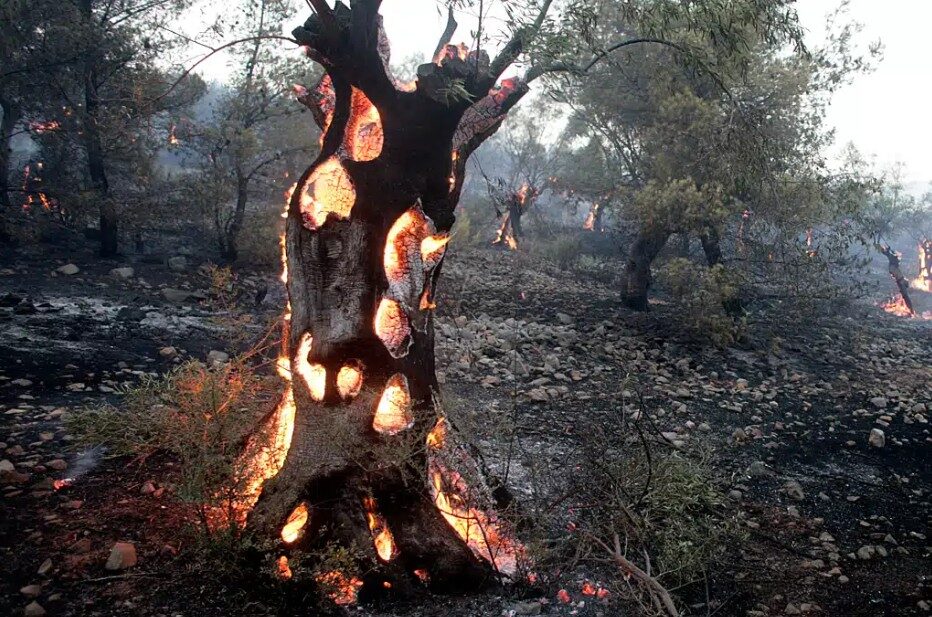
With catastrophic wildfires increasing worldwide, will damaged ecosystems ever recover? Historical evidence demonstrates ecosystems can regenerate after fire, but with the increasing intensity and scale of these fires, humans will need to step up to aid the process.
Weather forecasters are blaming low rain and several years of a tougher than previous Harmattan wind – an annual wind that blows from the Sahara in Africa’s north-east – for lowering crop yields in Cote D’Ivoire and Ghana. Back almost 10 years ago, climate modellers were warning that climate change could have an impact on cocoa farmers. And here we are. Almost 70% of the globe’s cocoa is farmed down around that part of Africa. Around two million people are sustained by the industry.
Coral reefs, often described as the underwater rainforests of our planet, play a vital role in supporting marine biodiversity, protecting coastlines, and underpinning local economies. The recent collapse of the Jícaro reef in Culebra Bay, Guanacaste, Costa Rica, starkly illustrates how global climate change and local human activities are converging to decimate these fragile ecosystems.