LONDON – Women farmers, land defenders and critical mineral miners are disproportionately exposed to effects of a warming world, but a growing body of evidence has also linked climate change to an increase in gender-based violence at work and at home.
This new threat comes on top of women’s greater exposure to displacement, water scarcity and ill health, all as a result of climate change.
For a long time, it seemed refugee law had little relevance to people fleeing the impacts of climate change and disasters.
Nearly 30 years ago, the High Court of Australia, for instance, remarked that people fleeing a “natural disaster” or “natural catastrophes” could not be refugees.
Meanwhile, the Supreme Court of Canada hadsaid“victims of natural disasters” couldn’t be refugees “even when the home state is unable to provide assistance”.
In an unexpected but no-less-depressing development, NASA has announced that 2024 was the hottest year on record. This wasn’t an anomaly, as every one of the past 10 years has been one of the 10 hottest years in the planet’s history. Climate change is a serious problem in need of a serious solution — but what counts as a viable climate solution, and what doesn’t?
It’s not an easy question to answer. In fact, you might even say it doesn’t have an answer, at least not a single one. While there is certainly widespread agreement about the need to decarbonize, there is also an ongoing debate among climate scientists about which solutions to prioritize and when. That debate is important, as there’s no single “silver bullet” for bringing down global temperatures, so we have to have these difficult conversations.
Climate change, biodiversity loss, and poverty are closely intertwined. Tackle one crisis, and we stand to improve all three. But unfortunately, the opposite is also true.
As one crisis grows in severity, the others grow with it. These crises amplify one another, creating a vicious cycle of habitat destruction, mass extinction, rising global temperatures, and the loss of homes and livelihoods.
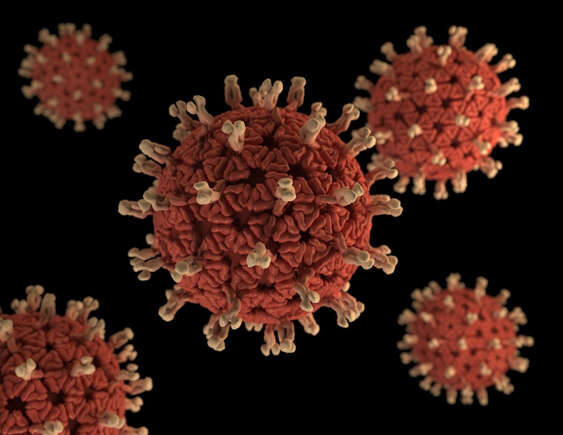
Climate change, a phenomenon characterized by global temperature increases, altered weather patterns, and rising sea levels, poses a significant threat to ecological systems across the globe. Beyond its environmental impacts, climate change has profound effects on human health, particularly through the spread of infectious diseases such as malaria and Zika virus. As climates become warmer and precipitation patterns shift, habitats for disease vectors like mosquitoes expand, facilitating the spread of these diseases to new regions. Understanding these dynamics is crucial to developing effective prevention strategies.
Farmers living in Africa’s mountain regions report alarming changes in local weather patterns such as increased temperatures, reduced fog, changes in rainfall, and an increase in extreme climate events such as droughts and floods.
The increasingly unpredictable weather patterns have led to significant changes in planting and harvesting schedules, as well as increased pests and disease in crops, livestock and humans. This has resulted in reduced crop yields – and less food. The changes have a profound effect on food security and human health, with repercussions extending beyond mountain communities to the thousands of people who depend on the resources downstream.
New Delhi, Feb 9 (NVI) As many as 3.6 billion people are living in areas highly susceptible to climate change and between 2030 and 2050, climate change is expected to cause approximately 250 000 additional deaths per year, from undernutrition, malaria, diarrhoea and heat stress alone, according to the World Health Organisation (WHO).
According to the WHO, climate change is directly contributing to humanitarian emergencies from heatwaves, wildfires, floods, tropical storms and hurricanes and they are increasing in scale, frequency and intensity.
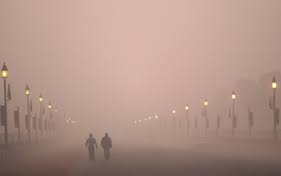
New Delhi, Feb 8 (NVI) Air pollution is responsible for at least 7 million deaths each year across the world, with a vast majority of casualties caused by noncommunicable diseases such as cardiovascular issues, respiratory diseases and lung cancer.
This aspect has been highlighted by the World Health Organisation (WHO) as it prepares to hold the Second Global Conference on Air Pollution and Health in March 2025.
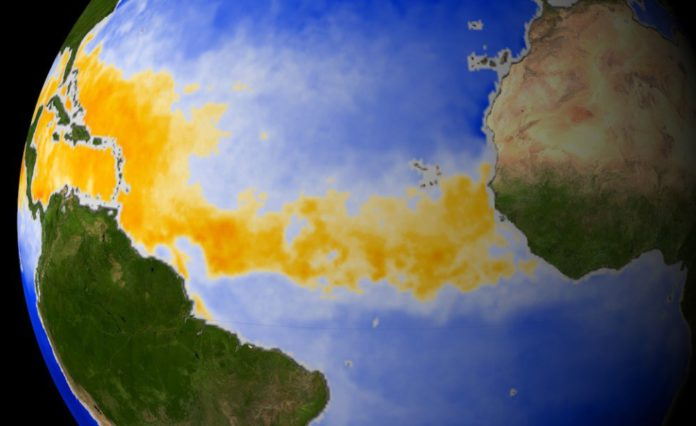
January 2025 was the warmest January on record, surpassing the previous record set by January 2024, according to satellite data from the EU’s Copernicus program. The findings were unexpected as ongoing La Niña conditions in the Pacific typically cool down global temperatures.
The global average surface air temperature for the month reached 1.75° Celsius (3.15° F) above pre-industrial levels. The most dramatic variation, up to 6°C (10.8°F), was concentrated in northern Canada, Russia and the Scandinavian countries.
Extreme heat may lead to more hospitalizations among those living with Alzheimer’s disease and related dementias (ADRD), according to a new study from researchers at Harvard T.H. Chan School of Public Health.
The researchers used more than 3.3 million Medicare claims and daily temperature data between 2000 and 2018 to examine the relationship between extreme heat and hospitalization among adults living with ADRD. Their findings suggested that one day of extreme heat exposure raised ADRD hospitalization risk not just on the day of exposure but for three additional days—even if the heat subsides—and calculated that each day of extreme heat could contribute to at least 5,360 additional hospitalizations among adults with ADRD across the U.S.