Chinguetti, Mauritania is home to some of West Africa’s oldest Quranic texts and manuscripts. It could soon be swallowed by the sand.
For centuries, poets, scholars and theologians have flocked to Chinguetti, a trans-Saharan trading post home to more than a dozen libraries containing thousands of manuscripts.
Cocoa prices surged one hundred and thirty-six percent between July 2022 and February 2024, crossed ten thousand dollars for the first time in March last year, ultimately reaching as much as one hundred and sixty-three percent.
In a similar situation, the price of coffee has been reaching unprecedented heights, with Arabian beans hitting 3.84 per pound, driving up the average cost of a restaurant coffee to 3.24 pounds. In contrast, the cost of the crop has risen 30 percent since December.
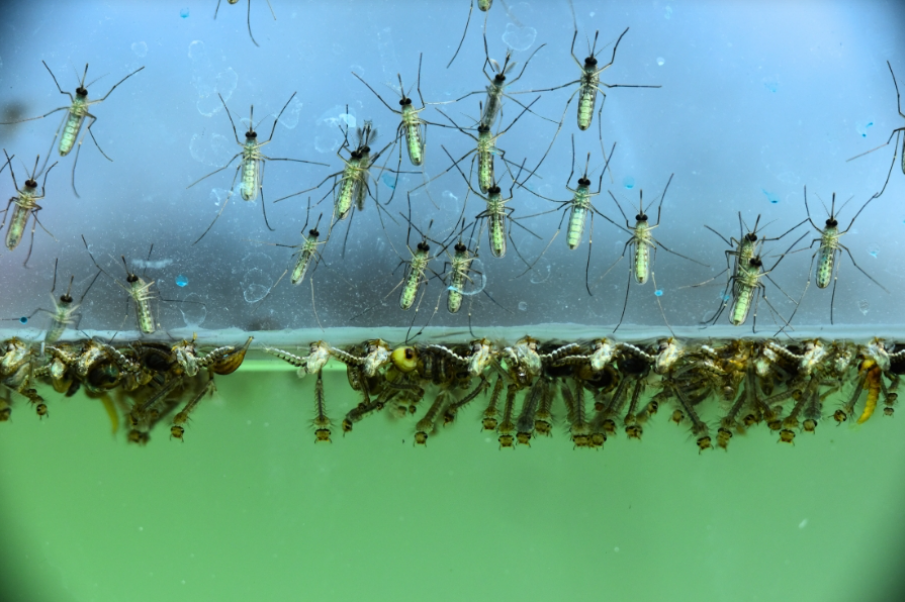
A new study led by a UC Berkeley School of Public Health Environmental Health Sciences postdoctoral scholar shows that mosquitoes may be more able to adapt to climate change and rising temperatures than previously thought.
“The most common prediction of how global change will affect mosquitoes and mosquito-borne disease is that populations will shift to higher altitudes and higher latitudes,” said lead author Lisa Couper. “That is assuming mosquitoes won’t adapt to heat. But mosquitoes have all sorts of adaptive capabilities.”
As global warming spreads pests, diseases and toxins, new programs are developing to help medical professionals look at their patients’ health, lifestyles and treatments through a climate lens.
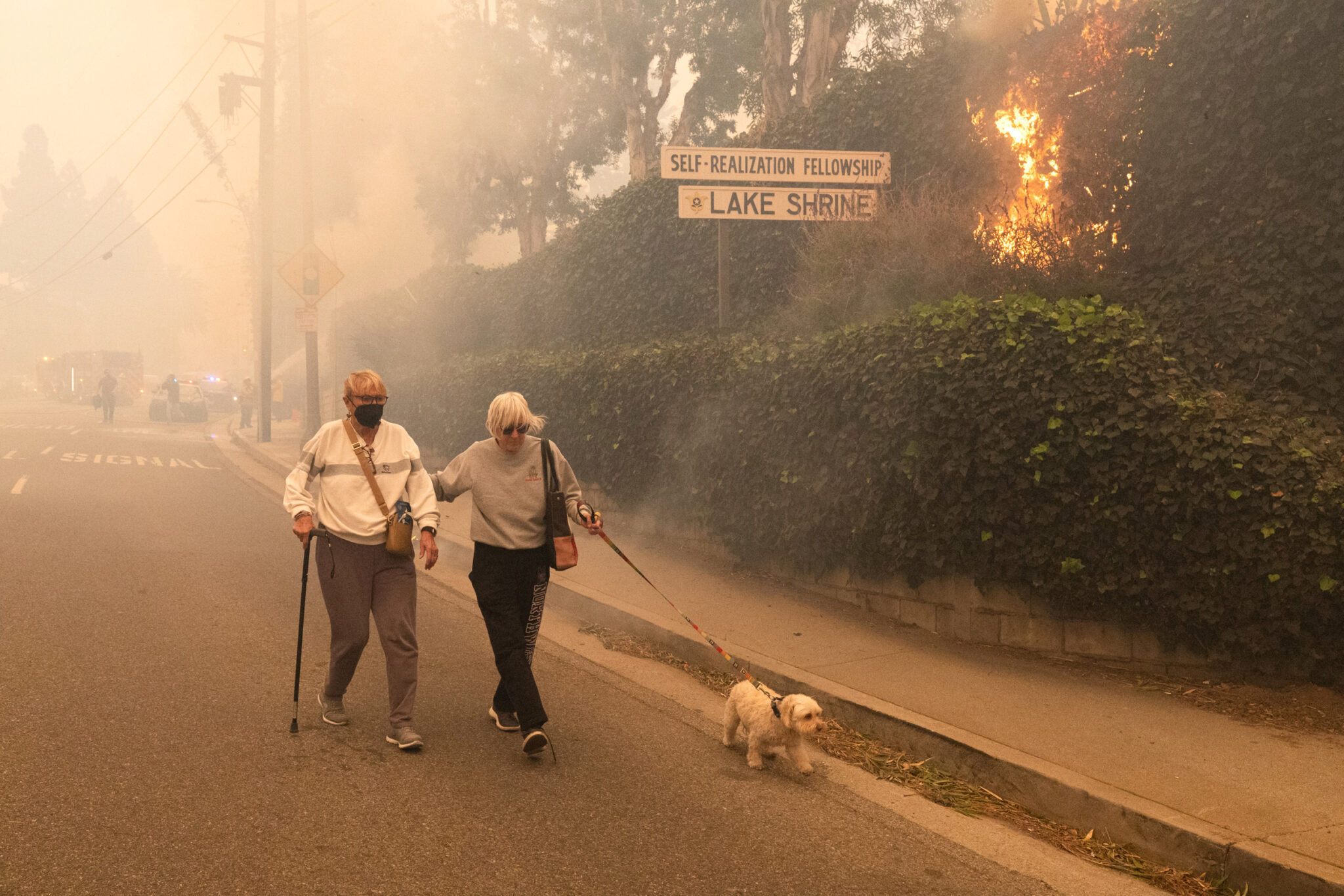
It took nearly a month to contain the wildfires that burned over 40,000 acres around Los Angeles in January, but doctors warn that serious health implications from the blazes are just starting to unfold and will likely persist much longer. While all wildfires produce particulate matter and caustic ash, the toxic elements from burning buildings, cars and infrastructure differentiate the smoke and ash from last month’s Southern California fires. Children are especially vulnerable to the toxins in the smoke and ash.
A University of Oregon researcher’s examination of urban mobility and climate change offers perhaps the most comprehensive insights to date on extreme weather events and public transit ridership.
Nicole Ngo, associate professor with the UO’s School of Planning Public Policy and Management, hopes the results will help city planners and transportation officials address the challenges of climate change.
Until relatively recently, humans were limited by the horizon. Climate scientists of the early 20th century could gather data from the world around them and perhaps what they were able to see from a hot air balloon or plane. But the really big picture – the global snapshot – remained out of sight.
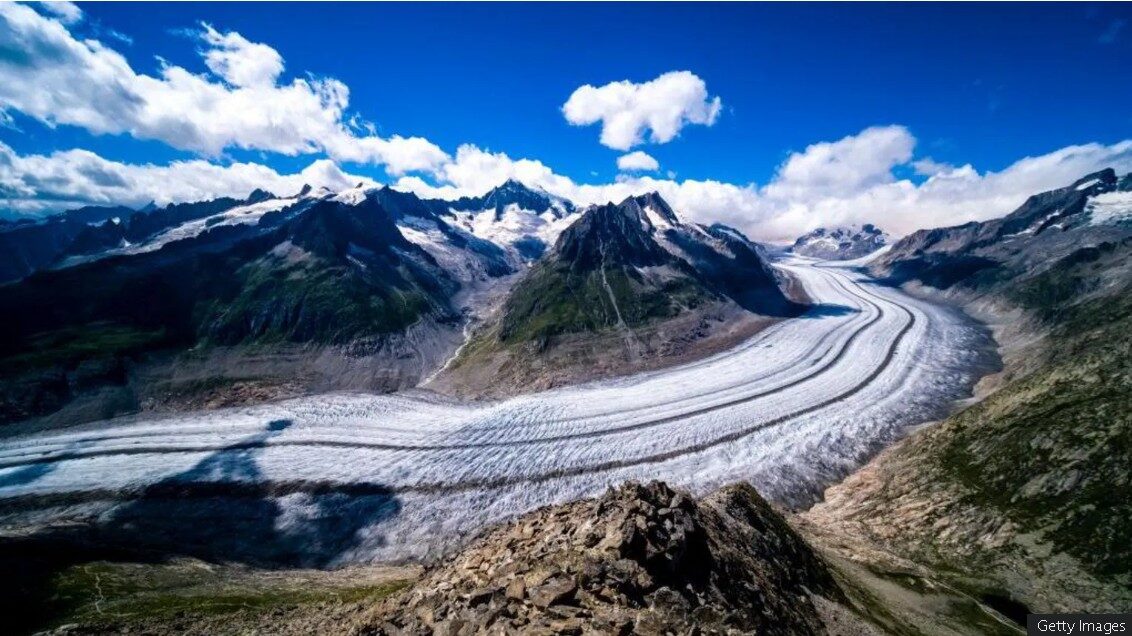
The world’s glaciers are melting faster than ever recorded under the impact of climate change, according to the most comprehensive scientific analysis to date.
Mountain glaciers – frozen rivers of ice – act as a freshwater resource for millions of people worldwide and lock up enough water to raise global sea-levels by 32cm (13in) if they melted entirely.
But since the turn of the century, they have lost more than 6,500 billion tonnes – or 5% – of their ice.
Freshwater, essential for ecosystems and human well-being, is becoming increasingly scarce.
Population growth, urbanisation and socioeconomic development are all driving greater demand for the world’s finite water resources. At the same time, climate change is altering precipitation patterns and affecting water availability.
Currently, approximately four billion people experience water scarcity for at least one month each year.
Global science on the impact of climate change and its relationship with human mobility and fragility is growing in scope and quality. However, its focus, leadership and outputs are limited to specific regions and institutions, reflecting a global imbalance in development studies. Institutions and scientists in high-income countries, notably in Europe and northern America, receive significantly more support. They work in enabling research environments and, consequently, publish more peer-reviewed research. Measured by peer-reviewed publications, researchers from other regions are severely underrepresented: a recent study shows that only 16 per cent of articles published in the top 20 development journals between 1990 and 2019 were authored by researchers from low and middle income countries in Africa, Asia and Latin America. Similarly, only 9 per cent of presenters at seven major development conferences from 2010-2019 were based at Southern universities.
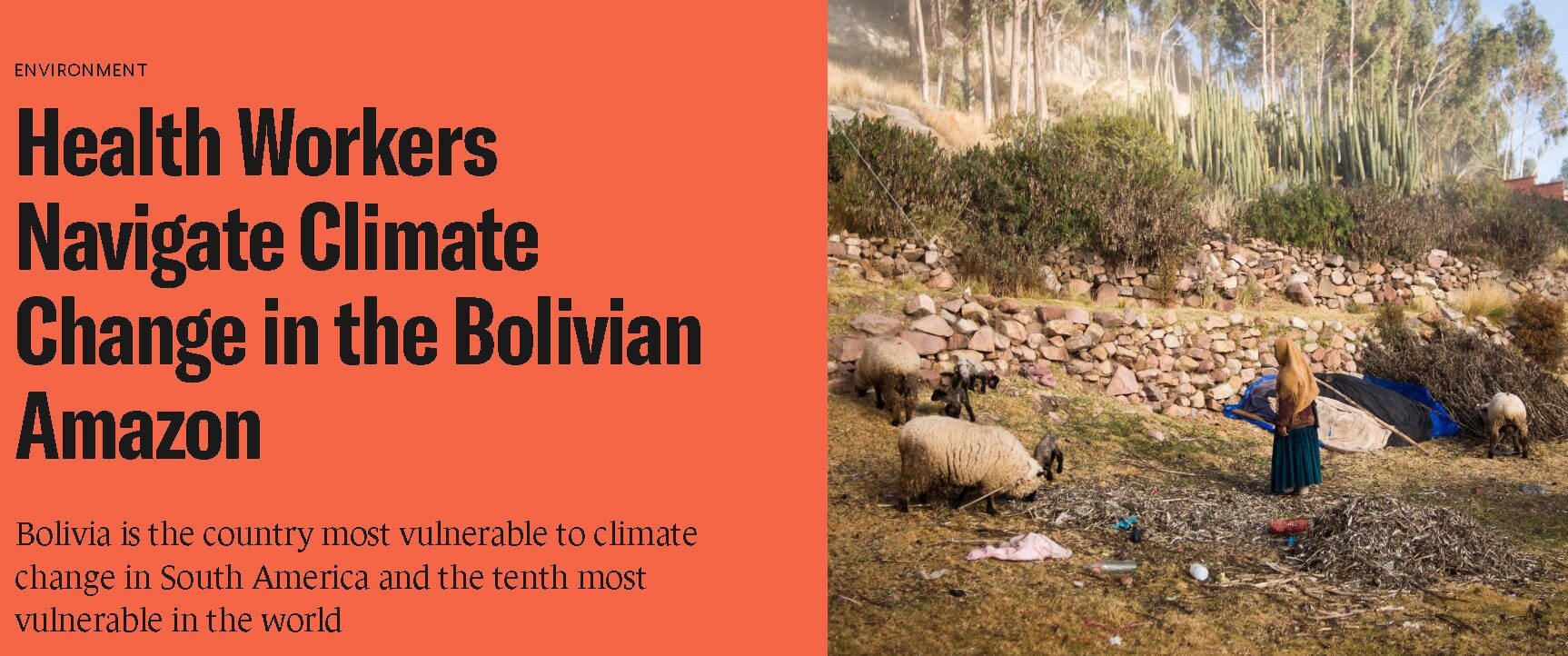
Imagine having to zip-line to visit the doctor’s office. Patients in Bolivia’s Amazon Basin live this reality. Centro Medico Susan Hou, located in Palacios, Santa Cruz, has implemented such a zipline system to ensure that patients can reach health-care services during times of flooding, a direct response to Bolivia’s changing weather patterns and the life-threatening conditions that climate change poses to accessing health care in rural communities.
Community health worker programs are vital to improving health-care access, but without direct action climate change will undermine their progress in rural Bolivian communities.