South Korea
CLIMATE CHANGE

South Korea’s Efforts to Adapt to the Impact of Climate Change

Source: https://keia.org/the-peninsula/south-koreas-efforts-to-adapt-to-the-impact-of-climate-change/

South Korea’s Nationally Determined Contribution (NDC) under the Paris Agreement sets a target of reducing its greenhouse gas (GHG) emissions by 40 percent by 2030 (relative to their peak in 2018). Korea also aims to achieve carbon neutrality by 2050 (Figure 1, Panel A). The targets are ambitious, as Korea was the world’s thirteenth-largest GHG emitter in 2023. On a per-capita basis, emissions also peaked in 2018 (Panel B)—the fifth-highest among OECD countries, reflecting the important role of energy-intensive industries such as petrochemicals, iron, and steel in the Korean economy. Although the energy supply per unit of GDP has fallen by about 30 percent since 2000, Korea is the third most energy-intensive economy in the OECD.

Women’s health
CLIMATE CHANGE

Climate change and women’s health: providers play a vital role in improving the health landscape for women in LMICs

Source: https://impact.economist.com/sustainability/climateadaptationandhealth/blog2

Healthcare providers have a critical role to play in climate change preparedness for women’s health, but they also need to develop soft skills and support the development of allied community workers, argues Alison Malmqvist, a Vice President and Climate Health lead at Population Services International, an organisation  working to improve the quality and affordability of healthcare around the world.

The disproportionate impact of climate change on women’s health outcomes is emerging as a major issue within the broader nexus between climate change and health. Critically, its adverse effect on women’s health is compounded in low- and middle-income countries (LMICs), where socioeconomic factors and underprepared and underfunded healthcare systems leave women more vulnerable than their counterparts in high-income nations. 

CLIMATE CHANGE

Do fossil fuels cause climate change?

Source: https://www.greenpeace.org/canada/en/story/68666/do-fossil-fuels-cause-climate-change/

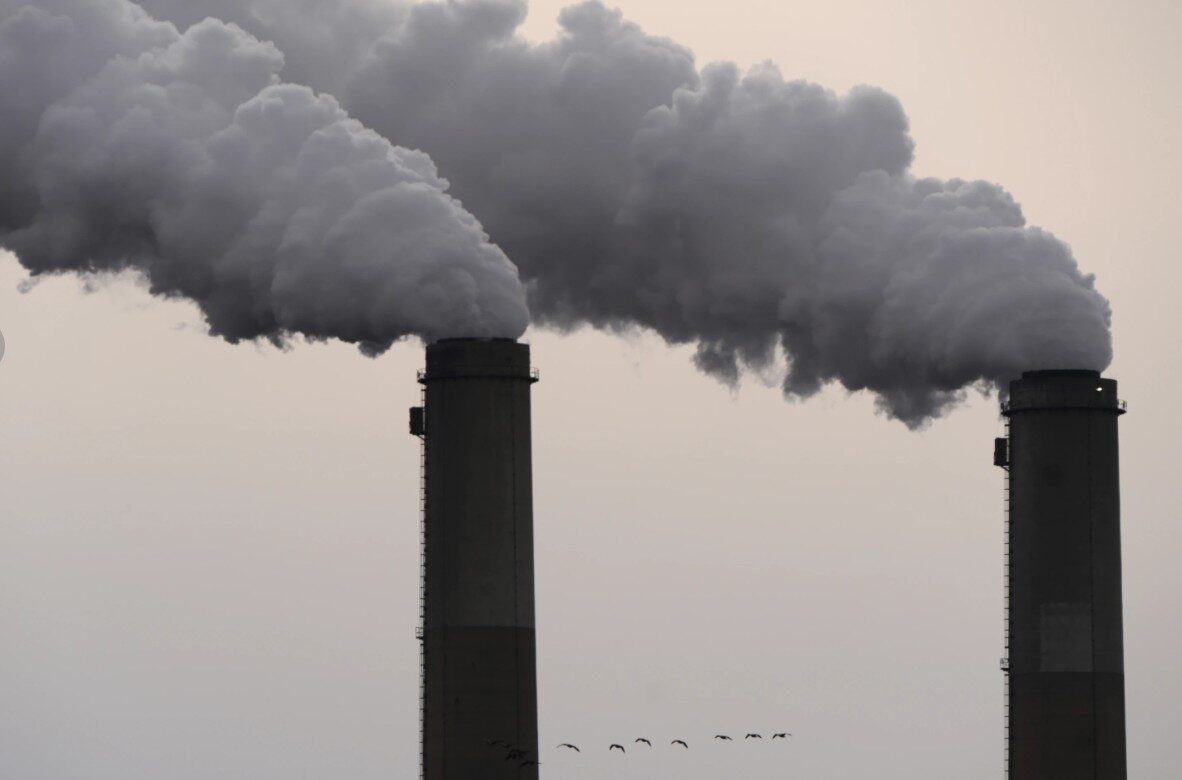
We’ve all been there. You’re talking to someone who says that fossil fuels aren’t causing climate change. Or that climate change is happening naturally, and not because of anything that humans do. 

Maybe you know these things aren’t right, but you don’t speak up. You’re worried that you don’t know enough.

If you’d like to have more confident conversations about how fossil fuels drive climate change, read on! Talking about climate change with the facts helps correct the false information that’s out there. It can also inspire action in the people around you and build a movement for a greener future.

Extreme Cold
CLIMATE CHANGE

Study Explores How Climate Change Impacts Extreme Cold Events

Source: https://www.albany.edu/news-center/news/2025-study-explores-how-climate-change-impacts-extreme-cold-events

Despite being among the warmest years on record, eastern China was hit by an unexpected extreme cold event in December 2023 that caused transportation shutdowns, power supply shortages and agricultural damage.

A new study led by Qian Cheng from the Chinese Academy of Sciences, in collaboration with a team of researchers including Aiguo Dai from the University at Albany, examined the 2023 event to better understand how the warming effect of climate change drives or suppresses these types of extreme cold waves. 

GI Health
CLIMATE CHANGE

More than a gut feeling: How climate change affects GI health

Source: https://msutoday.msu.edu/news/2025/more-than-a-gut-feeling-how-climate-change-affects-gi-health

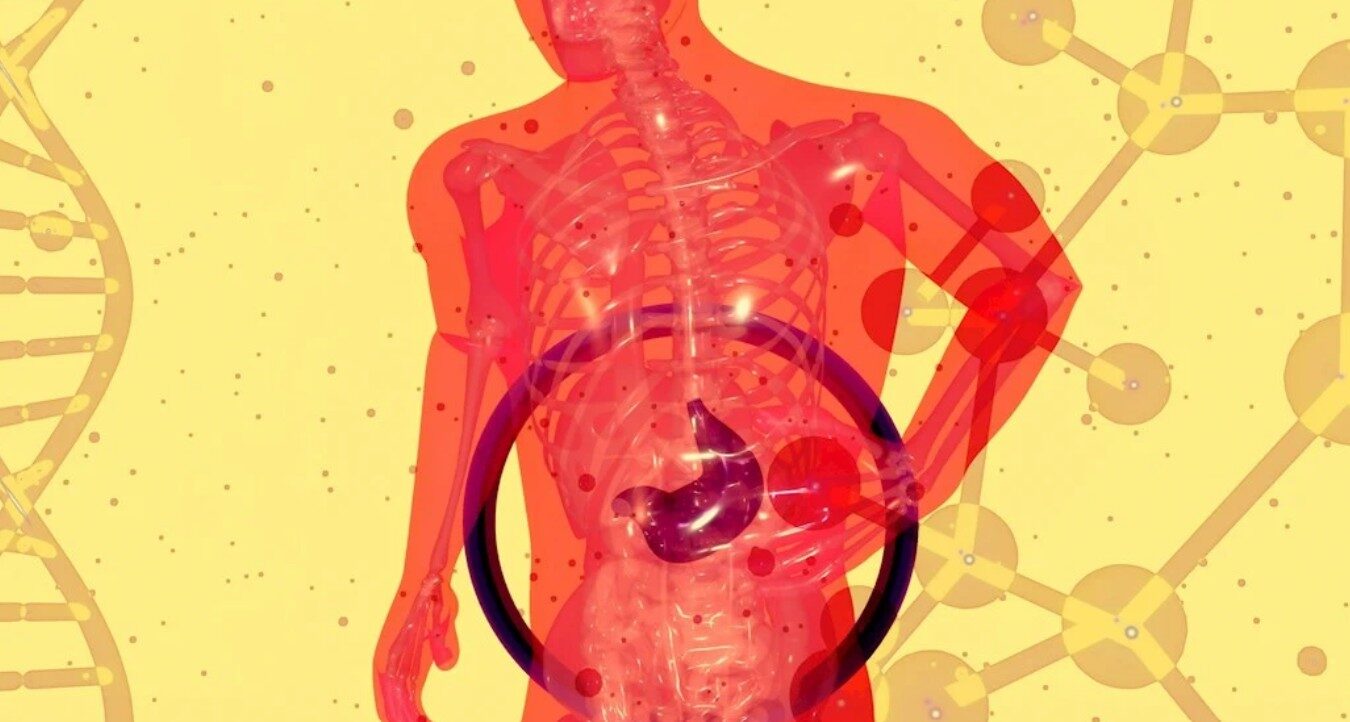
From heat-related illnesses to the geographic expansion of infectious diseases, the effects of climate change on human health are complex. And indeed, dimensions of this interaction, such as the impact of climate change on gut health, remain overlooked. 

Emerging research shows this global phenomenon may make you sick to your stomach — literally.  

Author Elena Litchman, an ecologist and a Michigan State University Research Foundation Professor, calls for interdisciplinary collaborations to solve this complex problem. A new review article appearing in The Lancet Planetary Health outlines how the compounding effects of climate change could weaken human gut microbiomes, with the most severe impacts expected across middle- and low-income countries. 

Safety of Drinking Water
CLIMATE CHANGE

How Climate Change Puts the Safety of Drinking Water at Risk

Source: https://e360.yale.edu/features/climate-change-drinking-water

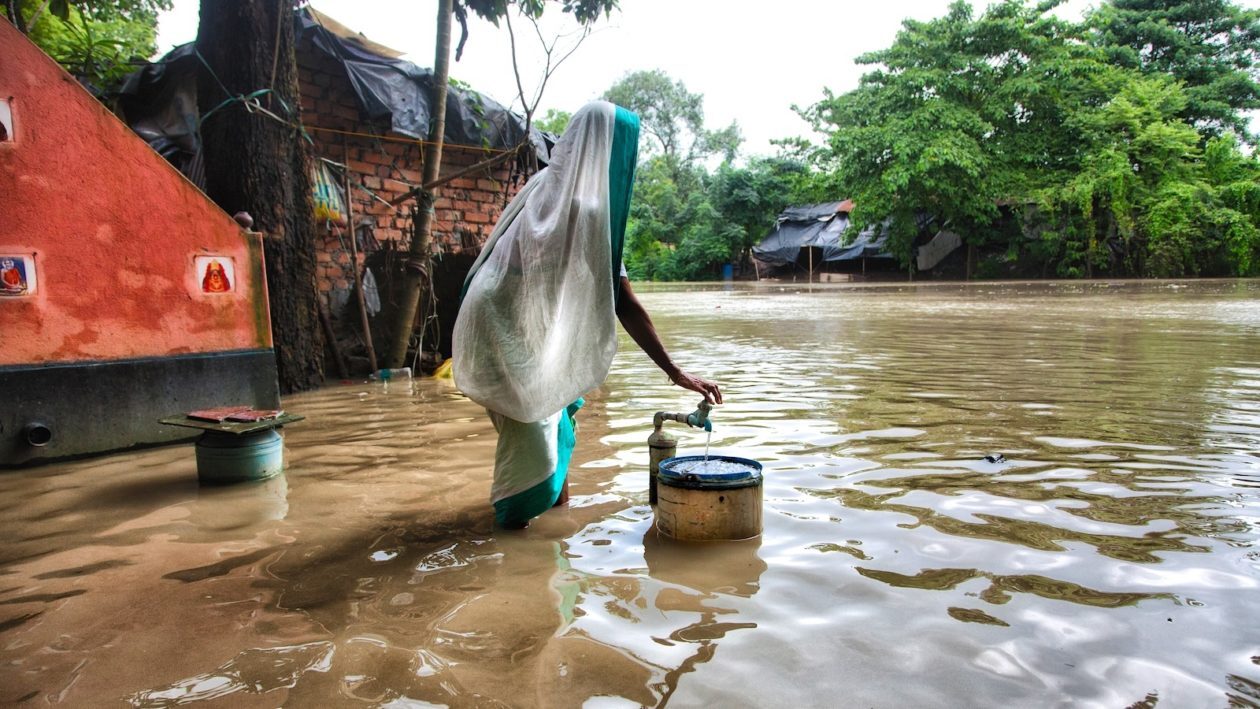
On November 8, 2018, a power line dropped into dry grass in the foothills of the Sierra Nevada mountains, north of Sacramento, and ignited the deadliest fire in California’s history. Powerful winds swept flames through Paradise and several other small towns in the tinder-dry forest, killing 85 people, destroying 18,000 structures, and causing more than $16 billion in damage.

Among the fire victims was the city’s water system, poisoned by the toxins in smoke. “Every time a home burns, it’s an open line to the atmosphere,” said Kevin Phillips, a former town manager and the district manager for the Paradise Irrigation District, which provides drinking water to more than 9,000 customers. “You are squirting water out [of lines that supply homes] at full speed and eventually [the system] depressurizes. That creates a vacuum effect and sucks in smoke with contaminants back into the system.” Smoke from burning trees, plastics — including PVC water pipes — and other materials contain benzene and other carcinogens. A year after the fire, testing revealed levels of benzene 80 times higher than the legal limit in some drinking water samples.

S20 SA
CLIMATE CHANGE

South Africa hosts historic Science20 meeting

Source: https://www.nature.com/articles/d44148-025-00049-w

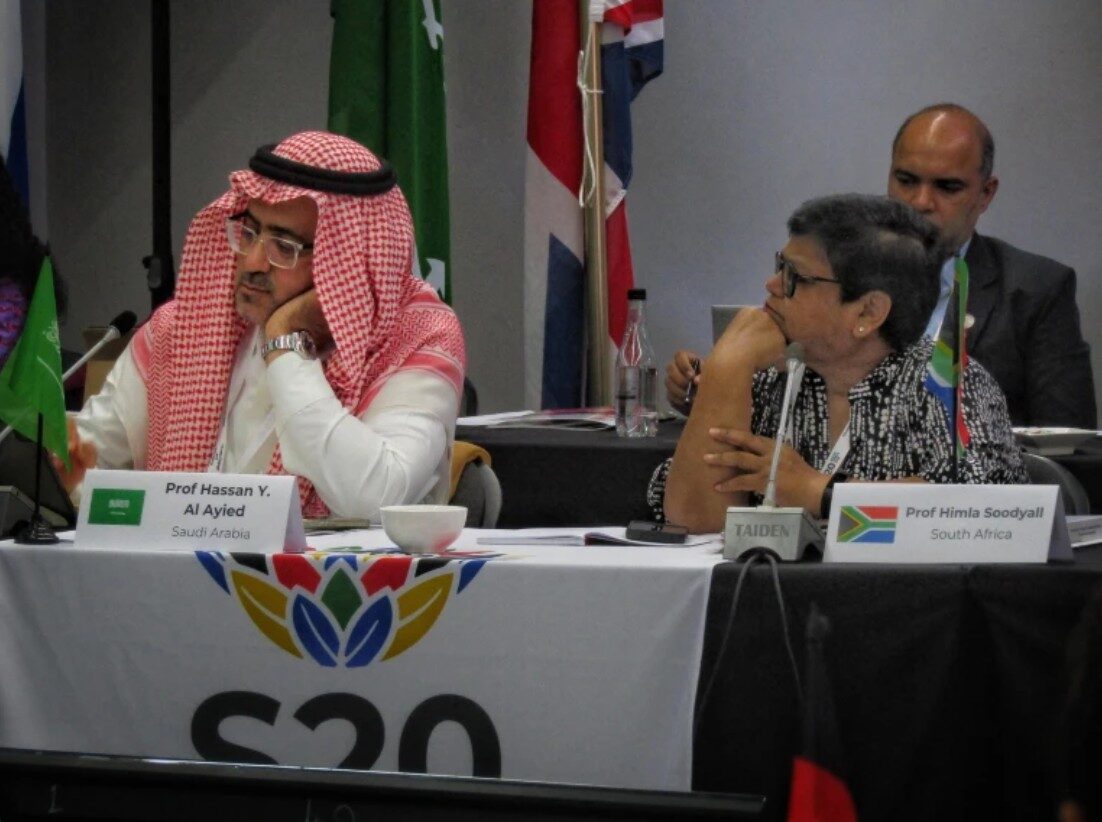
South Africa has become the first African nation to host a Science20 (S20) meeting, a key forum of national science academies from G20 countries.

This year’s S20 considers urgent global challenges, with a focus on Africa’s vulnerabilities. Held from 24-27 February 2025, the meeting included leaders from the Academy of Science of South Africa (ASSAf), all of whom emphasised the urgency of addressing climate change and the critical role of science-driven policy recommendations for the G20.

EPA
CLIMATE CHANGE

Scientists scorn EPA push to say climate change isn’t a danger, say just look around at the world

Source: https://apnews.com/article/climate-change-danger-health-epa-trump-doctors-weather-9fc086f392716c1b7d2b32ab7db6cc7d

WASHINGTON (AP) — As President Donald Trump’s administration looks to reverse a cornerstone finding that climate change endangers human health and welfare, scientists say they just need to look around because it’s obvious how bad global warming is and how it’s getting worse.

New research and ever more frequent extreme weather further prove the harm climate change is doing to people and the planet, 11 different scientists, experts in health and climate, told The Associated Press soon after word of the administration’s plans leaked out Wednesday. They cited peer-reviewed studies and challenged the Trump administration to justify its own effort with science.

s20photo
CLIMATE CHANGE

We must adapt to permanently 1.5 ºC warmer climate, scientist says

Source: https://www.engineeringnews.co.za/article/we-must-adapt-to-permanently-15-c-warmer-climate-scientist-says-2025-02-26

Global warming has not only surpassed 1.5 ºC above preindustrial levels but is also set to remain at or above that level permanently, University of the Witwatersrand Professor Francois Engelbrecht said on February 26.

Speaking to a global gathering of scientists at the Science 20 (S20) forum in Pretoria, he explained that the climate is likely to reach a 1.5 ºC or higher state by the late 2020s or early 2030s.

Stop heat
CLIMATE CHANGE

How Climate Change Will Affect the Seasons

Source: https://time.com/7262007/climate-change-seasons/

A round the world, the impacts of global warming are already being felt, as the Earth sees warmer than average temperatures. Last year was the warmest on record—and the first to see the average global temperature exceed 1.5°C above pre-industrial levels.

As the warming trend continues, experts say the four seasons as we know them will change—and it stands to have drastic impacts on the environment. “The Earth’s system is a very precarious balance,” says Ben Kirtman, professor of atmospheric sciences at the University of Miami. “And so when the length of the seasons [starts changing], you can affect the Earth’s system in a way that is unanticipated.”