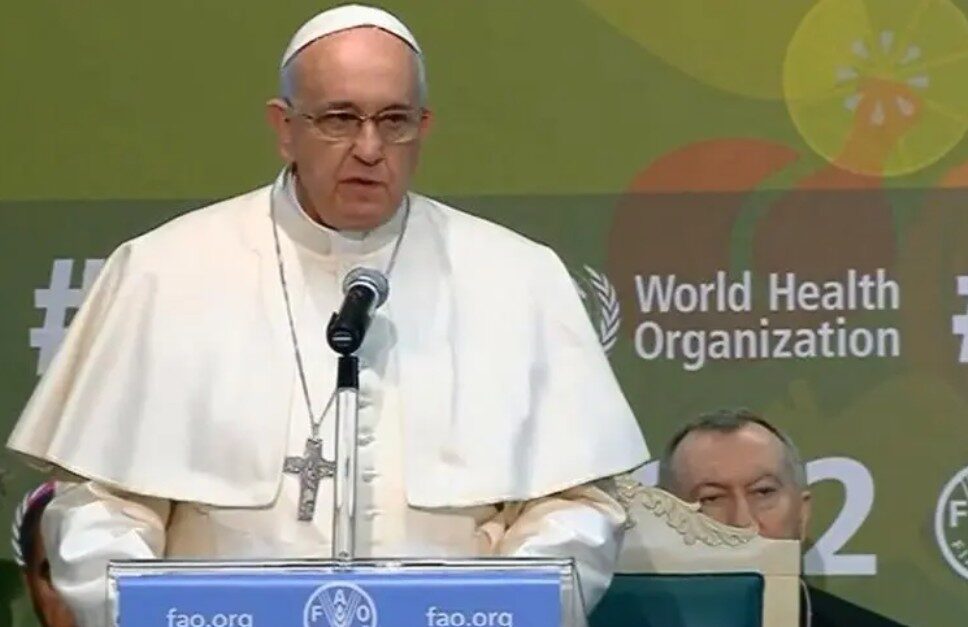
Pope Francis, who died on Monday, April 21, 2025, aged 88, was one of the greatest climate champions we have ever had.
Pope Francis’s passing comes during the 10th anniversary of the publication of his groundbreaking encyclical Laudato Si’, which examined long-standing Catholic environmental teaching in the light of today’s planetary crisis.
Climate change and health are inextricably linked, posing significant and growing threats to the well-being of Australians. The changing climate, driven by human activities, is already manifesting in more frequent and intense extreme weather events, altered disease patterns, and increased risks to food and water security. Understanding the health impacts of climate change and implementing effective strategies to mitigate its health effects are crucial for safeguarding the health of current and future generations in Australia.
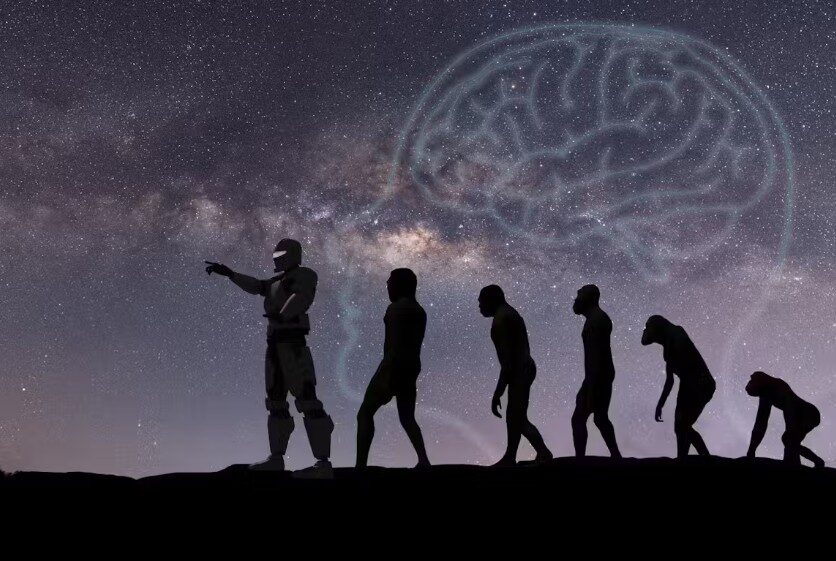
In H.G. Wells’ dystopian 1895 novel The Time Machine an unnamed Victorian scientist travels to the year 802,701. Instead of finding a flourishing, enlightened human civilisation reaping the cumulative benefits of millennia of economic and intellectual growth, he finds a horror scene. Here, gentle humans called Eloi are now the farmed food for the troglodyte-like Morlocks.
A new study from University of California San Diego suggests that climate trauma — such as experiencing a devastating wildfire — can have lasting effects on cognitive function. The research, which focused on survivors of the 2018 Camp Fire in Northern California, found that individuals directly exposed to the disaster had difficulty making decisions that prioritize long-term benefits. The findings were recently published in Scientific Reports, part of the Nature portfolio of journals.
Extreme heat is the most dangerous risk posed by climate change in Australia, and it’s not just taking a physical toll on the population. There may also be a mental cost going unaddressed. A new study suggests high temperatures Down Under are already impacting living and working conditions, and as climate change worsens, these challenges may increase the burden of mental and behavioral disorders (MBDs).
Last year was the hottest year on record for Europe, with record-high annual temperatures in almost half of the continent. The latest European State of the Climate report from the EU’s Copernicus service (C3S) shows that 45 per cent of days were much warmer than average, and 12 per cent were the warmest on record.
Climate change could play a role in the shrinking of the global economy in the future, affecting production and leading to logistical and supply problems, an economics professor told Anadolu.
Erhan Aslanoglu from Istanbul Bilgi University said the impact of climate change on industry, tourism, and agriculture affects not only the environment but also economic indicators.
The tourism industry is undergoing a profound transformation as climate change impacts some of the world’s most beloved destinations. The Maldives, known for its stunning white-sand beaches and crystal-clear waters, faces a looming threat, with rising sea levels potentially submerging a significant portion of the islands by 2100, according to United Nations projections.
A recent heatwave affecting Central Asia was made exponentially hotter by climate change, a rapid attribution analysis has found.
Temperatures climbed to nearly 30C across Kazakhstan, Uzbekistan, Turkmenistan, Tajikistan and Kyrgyzstan in late March – up to 15C higher than the seasonal average, according to World Weather Attribution.
As temperatures rise, plants produce more pollen over a longer period of time. But locally collected pollen counts are on the way to help Mainers with seasonal allergies navigate the worst of the sneeze season.