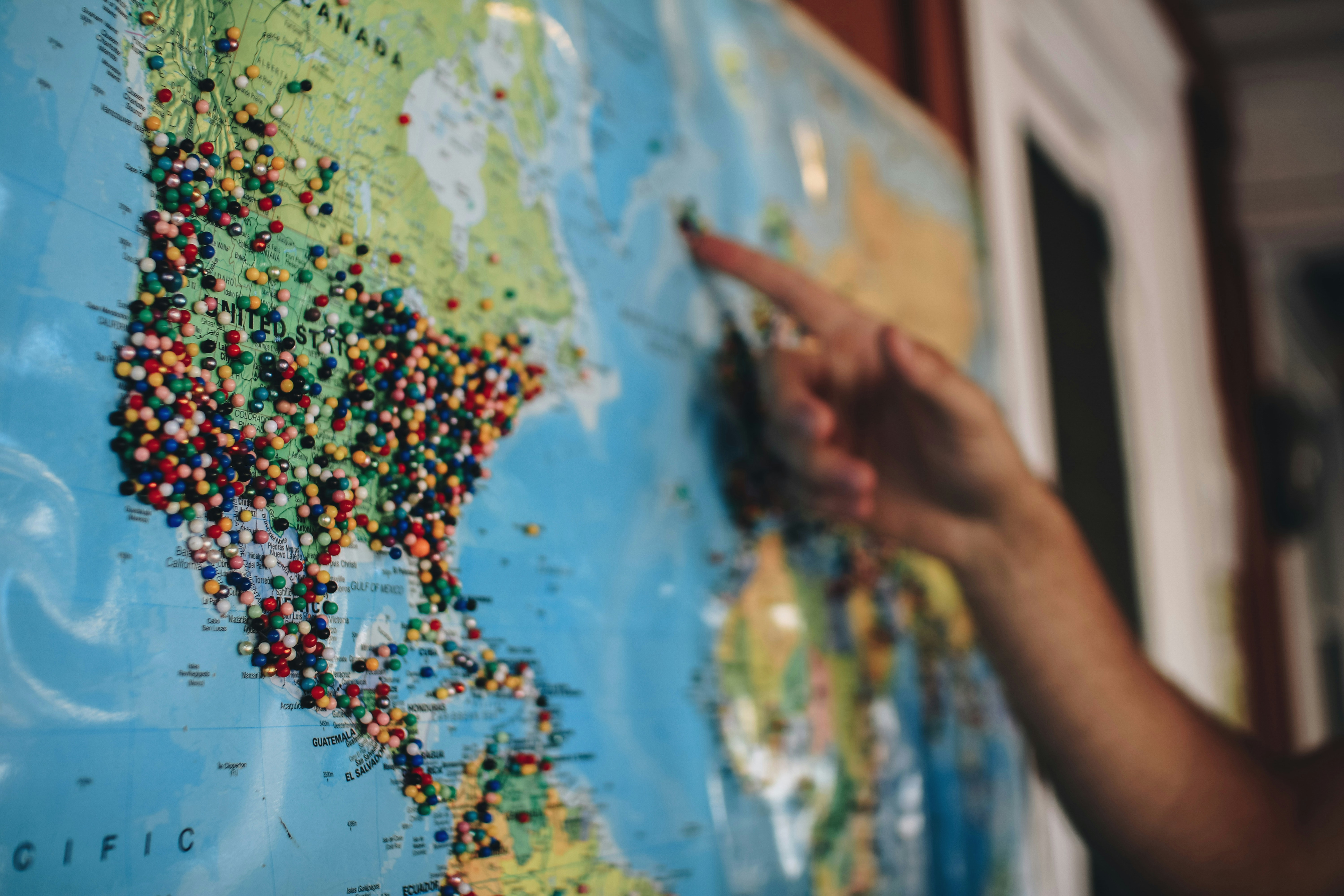
Experts are developing maps which can be used to predict the impact of climate change on the distribution of earth’s population by the end of the century.
Research group WorldPop , based at the University of Southampton, claim the data will highlight the locations likely to be most severely affected in the future.
The University of the Witwatersrand’s Planetary Health Research (Wits PHR) division, directed by Professor Matthew Chersich, is leading a major international research initiative to examine the impacts of climate change on the health of pregnant women and newborns.
Funded by a €3.3 million Wellcome Trust Climate and Health Challenge Award, the Global Heat Attribution Project (GHAP) will link climate data with 45 million birth records across Africa, Europe, and Latin America to measure the true extent of the effect of climate change on heat-related health risks in vulnerable populations.
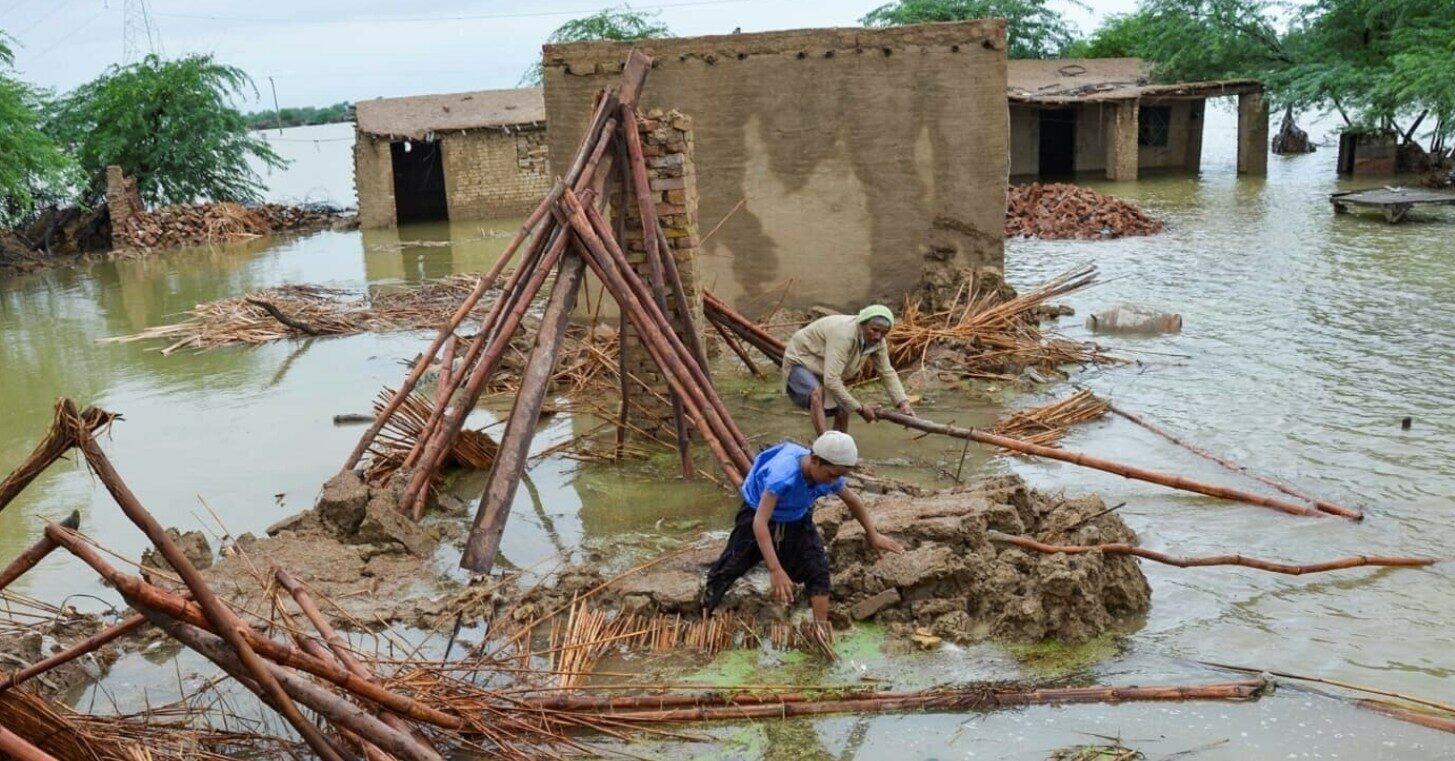
Pakistan has been ranked as the most vulnerable country to climate change in 2022, followed by Belize and Italy, according to data in the Climate Risk Index (CRI) for 2025 report released by European think-tank Germanwatch on Wednesday.
Pakistan’s ranking has been mainly due to the unprecedented floods in 2022, mainly caused by record-breaking monsoon rainfall, Glacial Lake Outburst Floods (GLOFs), and other factors.
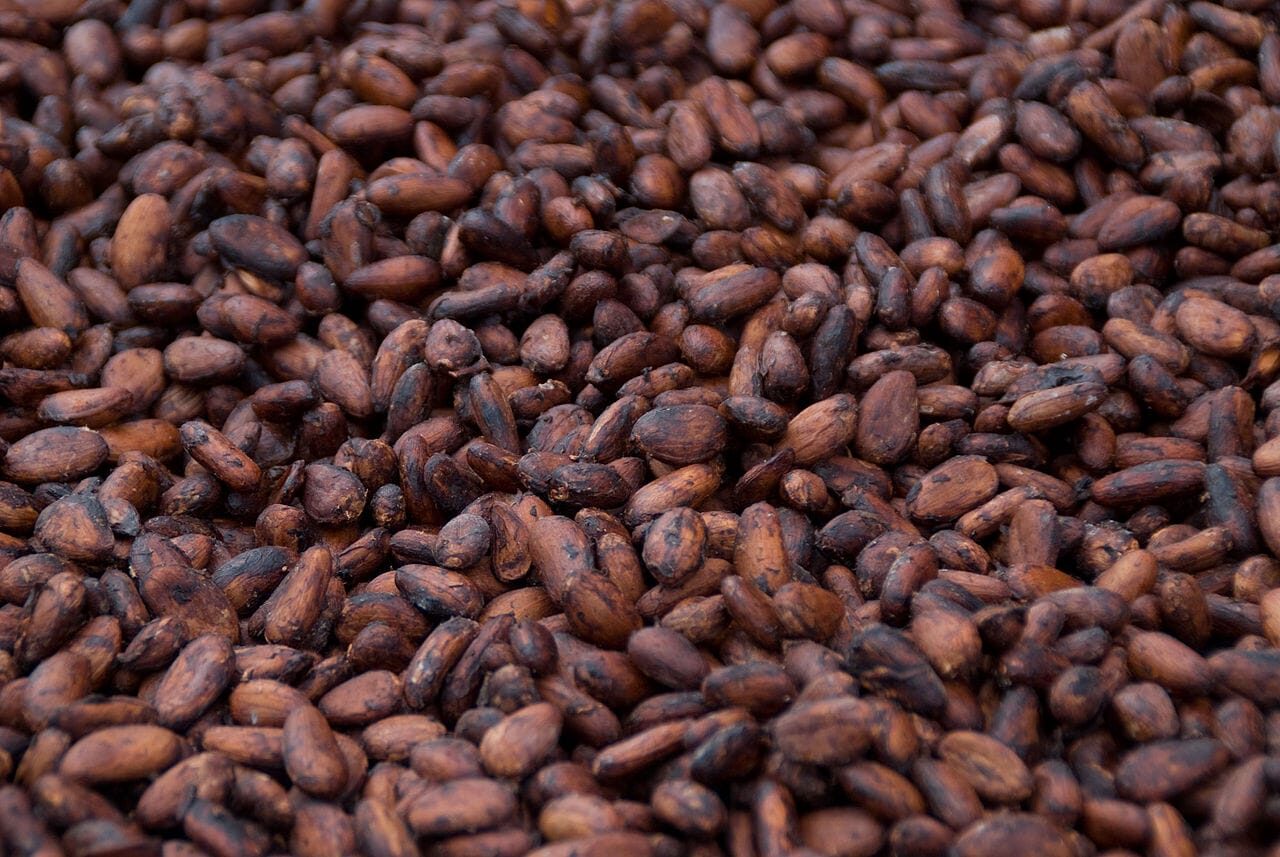
As Valentine’s Day approaches, the craving for chocolate intensifies. But chocolate continues to face a significant challenge: Climate change is threatening cacao production, particularly in West Africa, which produces around 70% of the world’s supply. Rising temperatures and shifting rainfall patterns are disrupting cacao crops, affecting both the quantity and quality of beans — and driving up prices for consumers.
Cocoa prices surged 136% between July 2022 and February 2024, according to UNCTAD commodities price monitoring. For the first time, the price per metric ton on the futures market crossed $10,000 last March, according to the United Nations trade agency, which attributed the increases in part to climate change.
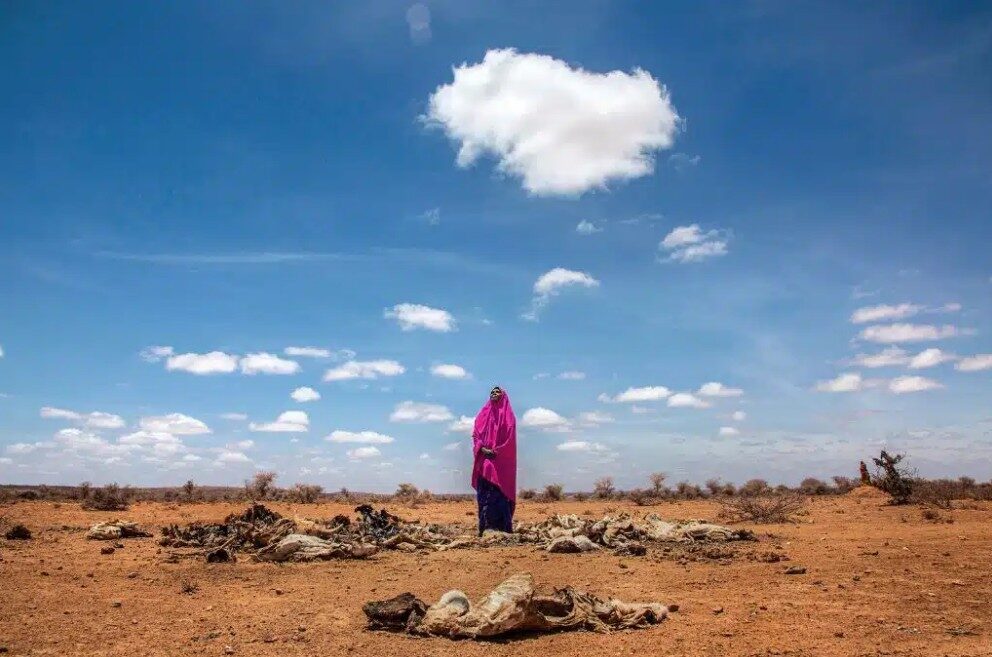
Around the world, huge swathes of fertile land are turning into arid wastelands at alarming rates, threatening ecosystems, agriculture, and humanity. This process is known as desertification, and it is closely linked to the effects of climate change.
Desertification is accelerating due to rising temperatures, erratic weather patterns, and human activities. The consequences of desertification are devastating, affecting food security, biodiversity, and the stability of economies. Understanding the connection between climate change and desertification is crucial to mitigating its impact and preserving the resources of the planet.
The negative impact of climate change will continue way into the next century even if the world starts to reduce the concentration of greenhouse gases in the atmosphere by 2050, a study has revealed.
According to the research, even in a scenario of “negative emissions” by the middle of the century – where more greenhouse gases are removed from the atmosphere than are released – or if the world is at net-zero, areas of permafrost will keep thawing and giving out both carbon dioxide and methane.
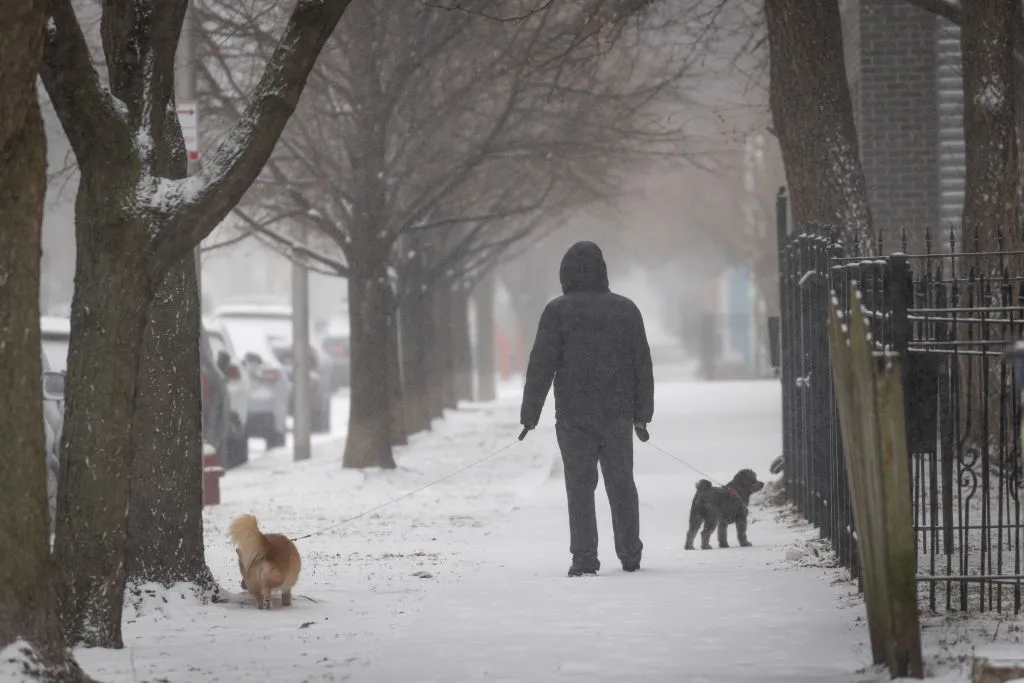
If the earth is warming, why are we still getting winter storms? Climate change is leading to shorter and warmer winters in North America, experts agree. But that doesn’t mean that winter storms will become a thing of the past.
In fact, climate change is making storms more intense. As the Earth’s atmosphere warms, it’s able to collect and hold more moisture—which means more precipitation. “The atmosphere behaves a bit like a sponge, and that means that it can suck up more moisture when it’s warmer, but also that when you wring the sponge out, more moisture can fall out of the sky in the form of precipitation, and in the winter, snowfall,” says Daniel Horton, associate professor in the Department of Earth, Environmental and Planetary Sciences at Northwestern University.
Climate change and climate-related disasters pose a real and increasingly severe threat to human health. In an article and accompanying video abstract being early released in Pediatrics this week, Dr. Caroline Stephens and colleagues from the University of California San Francisco, University of Louisville, and University of Utah note that children are especially vulnerable to climate-related injuries for multiple reasons (10.1542/peds.2024-067567):
Physiologically, they have more relative surface area that is exposed to the environment (e.g., heat)
Socially, they “depend on caregivers to flee” their built environment
Structurally, most community hospitals are “less prepared to accept pediatric patients.”
In British Columbia, like elsewhere in Canada, the impacts of climate change on health and health services are apparent. In recent years, the province has experienced a range of climate change-related extreme weather events, with considerable negative consequences.
New Curtin University research has found exposure to outdoor air pollution and extreme temperatures during pregnancy may increase the risk of prolonged pregnancy, offering new insights into the impact of climate change on maternal health.
The study analysed data from nearly 400,000 births in Western Australia and found that higher exposure to fine particulate air pollution (PM2.5) and biothermal stress (a measure that combines air temperature, radiant temperature, relative humidity, wind speed, and human physiology) was associated with pregnancies lasting beyond 41 weeks.