Category: CLIMATE CHANGE

climate extremes fuel droughts
CLIMATE CHANGE

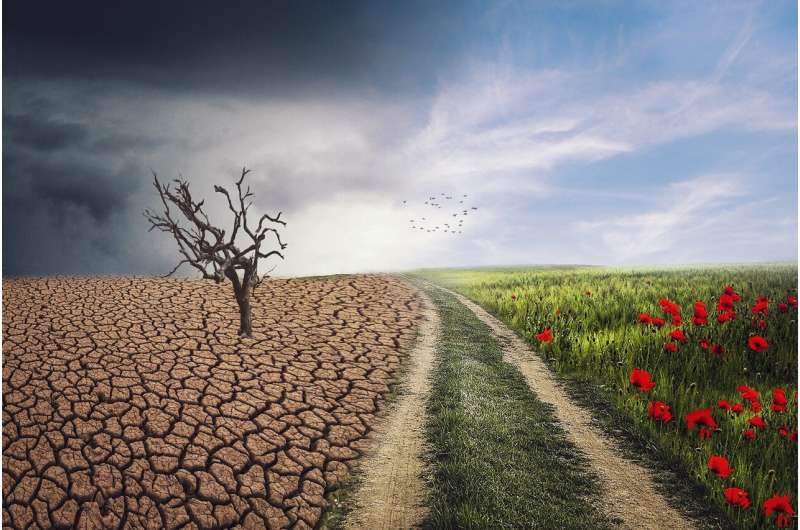
How climate extremes fuel droughts and heavy rains

Source: https://phys.org/news/2025-02-climate-extremes-fuel-droughts-heavy.html

Millions of people are already experiencing the impacts of climate change in everyday life. A few tenths of a degree warmer and the life we know becomes increasingly at risk due to climate extremes such as heat waves, droughts, and heavy rainfall typically associated with flooding. Affecting every community on—our planet, global warming is a challenge that transcends geo-political boundaries, and is increasingly affecting the global economy.
 

Food insecurity
CLIMATE CHANGE

WFP, FAO Warn of the Severity of the Climate Crisis and Food Insecurity

Source: https://www.globalissues.org/news/2025/02/07/39026

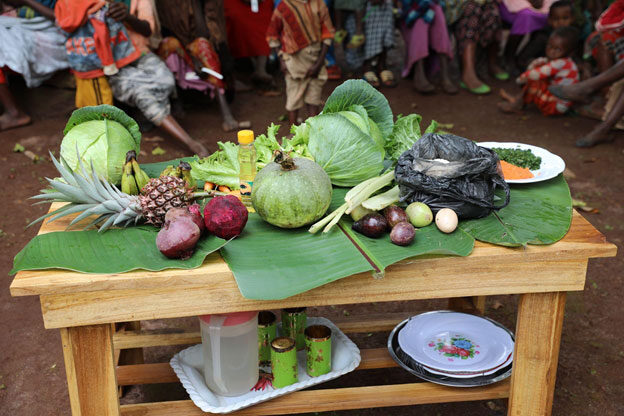
UNITED NATIONS, Feb 07 (IPS) – Over the past few years, climate shocks have become more frequent and have devastated economies and agriculture systems, exacerbating widespread malnutrition and hunger. It has become increasingly apparent that the utilization of sustainable agriculture practices and disaster risk management systems are crucial to fulfill growing needs as natural resources continue to dwindle.

The Paris Agreement, an international treaty which seeks to limit average global temperatures to 2°C, was adopted by the United Nations Climate Change Conference (COP21) in 2015. A new analysis conducted by climatologist Professor James Hansen states that due to the rapidly accelerating nature of the climate crisis, previous climate goals are now considered impossible to achieve.

Women at risk
CLIMATE CHANGE

Women at Risk: The Gendered Dimension of Climate Change and Migration in West Africa

Source: https://hir.harvard.edu/women-at-risk-the-gendered-dimension-of-climate-change-and-migration-in-west-africa/

Despite comprising 49.6 percent of the global population, women comprised only 34 percent of the delegates at the COP28 UN Climate Change Conference. Additionally, a significant lack of gender-disaggregated data on the economic and social effects of climate change limits our ability to understand the impact of climate change on women specifically. Globally, involvement by women in conversations surrounding climate change is limited, despite an increasing number of findings that climate change disproportionately impacts them. Women’s representation facilitates stronger gender-sensitive action; therefore, the group’s underrepresentation in climate change conversations and decisions limits our ability to fight climate change in a gender-sensitive way.

Infectious diseases
CLIMATE CHANGE

Climate Change Worsens Infectious Diseases

Source: https://www.womeninscience.africa/climate-change-worsens-infectious-diseases/

Scientists, in a recent study, have found that of pathogens known to have infected humans, more than half may cause more widespread disease as a result of rising temperatures, precipitation changes or other climate-related factors.

The study, published in Nature Climate Change, proved beyond a doubt that consequences of climate change; warming, drought and sea-level rise, worsen most infectious diseases by enabling transmission and increasing the severity of outbreaks. According to co-author of the study, Professor Camilo Mora at the University of Hawai’i, “systems have been evolving for millions of years and now humans have come along and changed things. We are punching nature, but nature is punching us back.”

boatice
CLIMATE CHANGE

10 Climate Change Statistics Everyone Should Know | 10 January 2025

Source: https://www.msn.com/en-nz/news/other/10-climate-change-statistics-everyone-should-know/ss-AA1wA2Qi?ocid=winp2fptaskbarhover#image=4

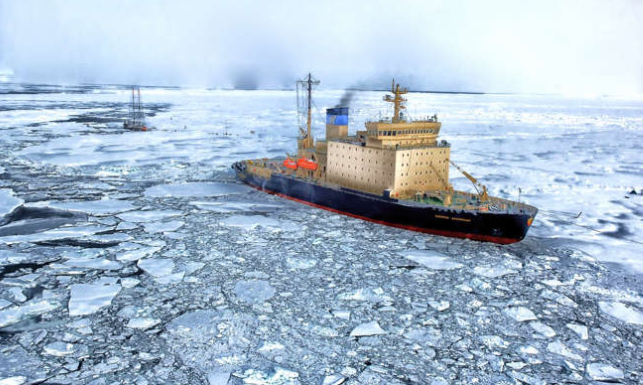
The Arctic, often dubbed the planet’s “thermostat,” has seen a significant decline in sea ice. From 1980 to 2020, the extent of Arctic sea ice decreased by about 12.6% per decade. If current trends persist, summer Arctic ice might entirely vanish by 2040. This rapid ice melt not only impacts local species, like polar bears, but also holds broader implications for global weather patterns. Loss of reflective ice leads to increased absorption of sunlight by the ocean, further accelerating warming. The shrinking Arctic is a stark testament to the swiftly shifting climate, emphasizing the urgency of concerted global action.


Photograph-of-our-planet-taken-from-outer-space
CLIMATE CHANGE

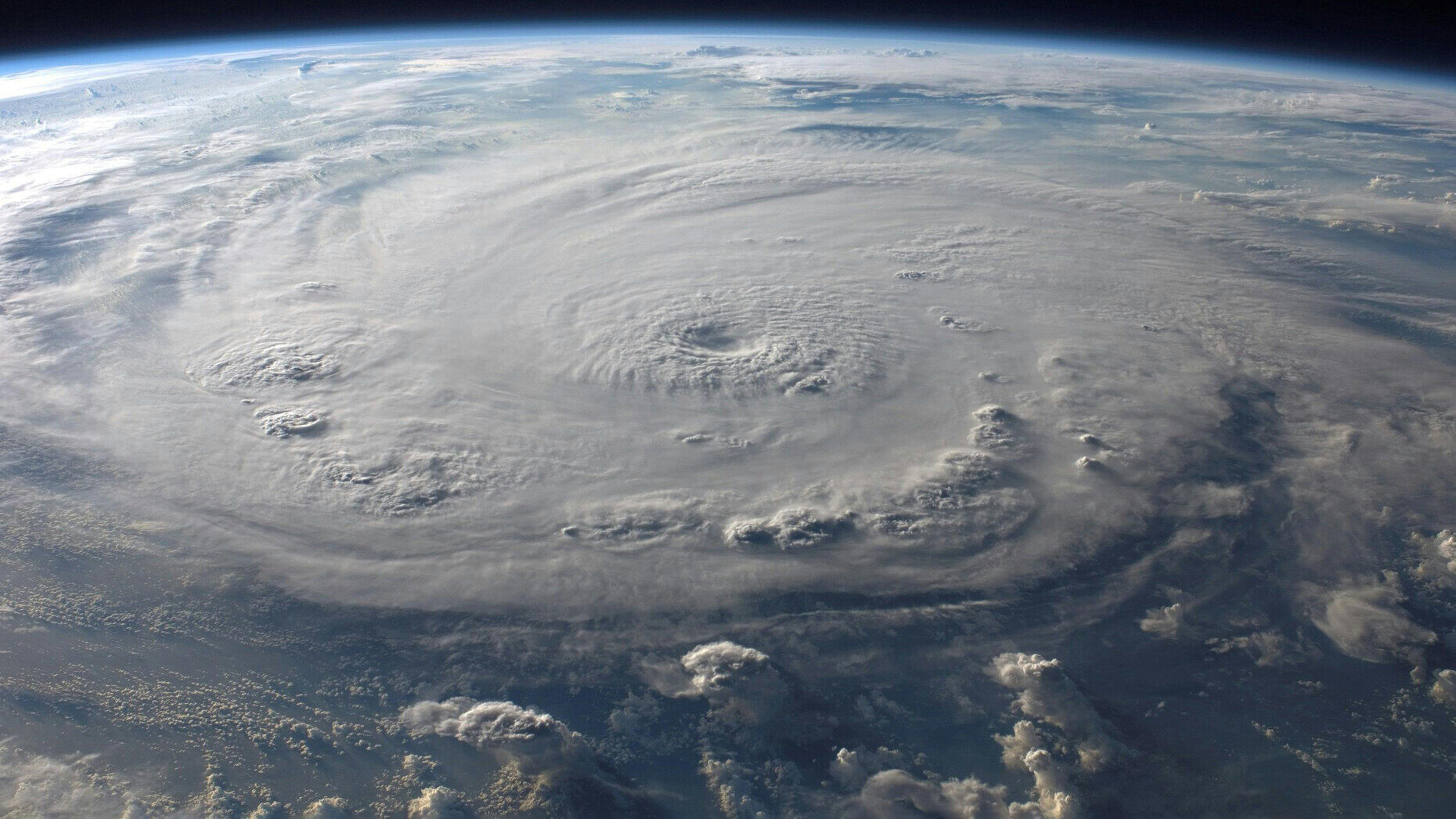
Changing our perspectives about earth

Source: https://www.meer.com/en/88319-changing-our-perspectives-about-earth

Communications experts all agree that a picture is worth a thousand words. It’s true. A striking image has an instant emotional impact that even a thousand words cannot create. But the intellectual impact is more complicated. An image does not have full effect unless we take the trouble to understand what we see. Our failure to connect the dots can be tragic.

For example, a familiar image in the news today is a family sorting through the rubble of its collapsed home, hoping to find irreplaceable treasures that survived an unprecedented wildfire or storm. The picture triggers empathy. However, it also shows the consequences of much earlier events in a chain of causes and effects. We can draw a straight mental line between the rubble, society’s addiction to fossil fuels, the policies and policymakers who encourage their use, and the profit-hungry corporations that produce them.


Untitled
G20

G20: Why people’s voices matter

Source: https://mg.co.za/thought-leader/opinion/2025-02-05-g20-why-peoples-voices-matter/

South Africa hosts the G20 in 2025, but in November, President Cyril Ramaphosa will hand over the presidency to US President Donald Trump. Many are already expressing concerns that under Trump’s leadership in 2026, the G20’s progress could be reversed, given his history of scepticism toward multilateralism. 

Although the G20 is criticised as an elite talk shop, it has become a space where inclusive participation is slowly shaping policy commitments toward real change.

Untitled
CLIMATE CHANGE

Can nature help solve human problems like climate change? Researchers weigh up pros and cons

Source: https://theconversation.com/can-nature-help-solve-human-problems-like-climate-change-researchers-weigh-up-pros-and-cons-247811

Nature-based solutions use nature to solve environmental problems caused by humans, such as global climate change. But not every ecological project counts as a nature-based solution. Some projects only bring about a slight improvement to the environment, while others even cover up environmental damage. Cornelius Okello and Timothy A. Downing research climate change adaptation and development. They discussed their latest research into nature-based solutions with The Conversation Africa.

Untitled
CLIMATE CHANGE

How Does Climate Change Affect Education?

Source: https://impakter.com/how-does-climate-change-affect-education/

In 2024, at least 242 million students across the world faced disruption in their schooling as a result of extreme climate events such as heatwaves, cyclones, floods, and droughts, according to a new UNICEF report.

This news comes as the World Meteorological Organization confirmed 2024 to be the warmest year in recorded history, with the past ten years all ranking in the top ten. The past year also saw unprecedented natural disasters and extreme weather events, impacting every continent on the globe and, in turn, many children’s education.

Untitled
CLIMATE CHANGE

Biodiversity Crisis: A Question of Earth’s Future

Source: https://countercurrents.org/2025/02/biodiversity-crisis-a-question-of-earths-future/

Biodiversity and environmental conservation have become some of the most pressing global concerns today. The diversity of life on Earth, the interconnections between species, and the balance of natural ecosystems are crucial for human survival. However, increasing environmental interventions are disrupting this balance. Deforestation, pollution, climate change, and reckless consumption are leading to biodiversity loss and environmental degradation. Understanding the causes of these problems, recognizing their consequences, and finding possible solutions is critical.