Category: CLIMATE CHANGE

earthno
CLIMATE CHANGE

Oops, Scientists May Have Miscalculated Our Global Warming Timeline

Source: https://www.popularmechanics.com/science/environment/a64093044/climate-change-sea-sponge/

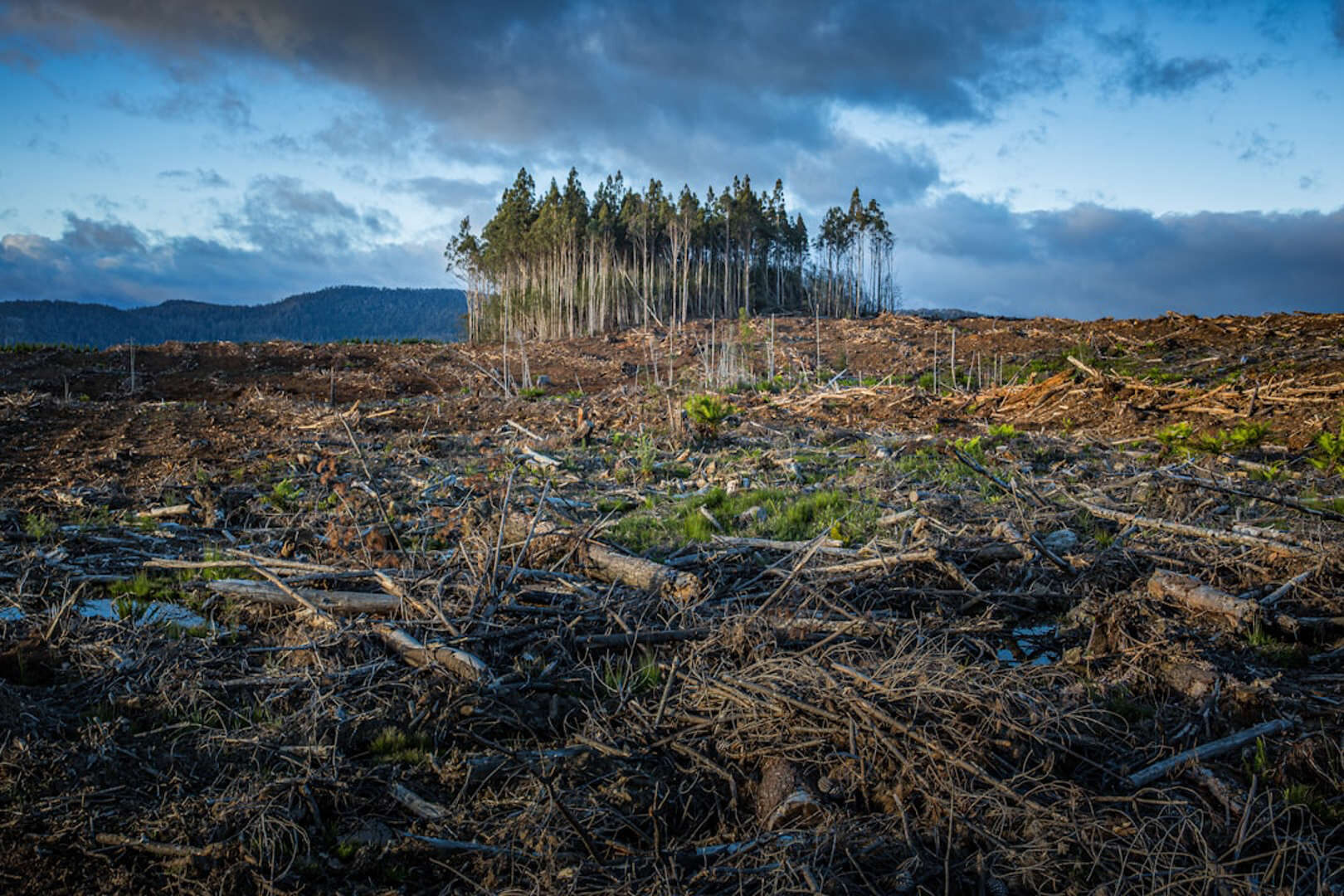
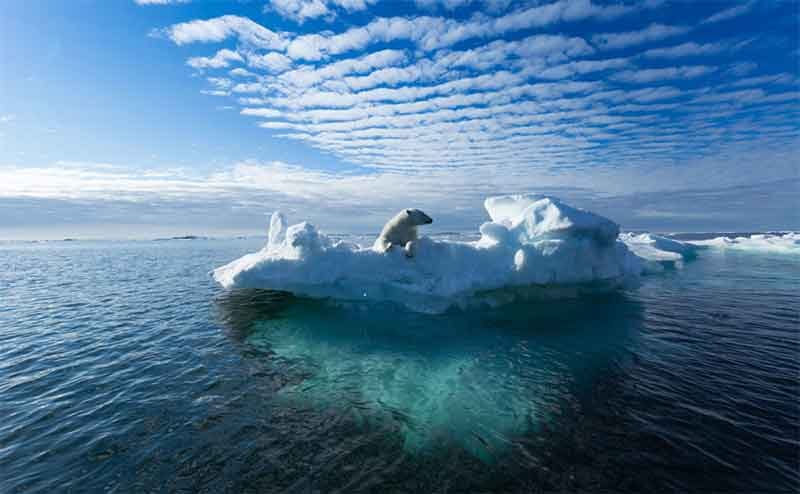
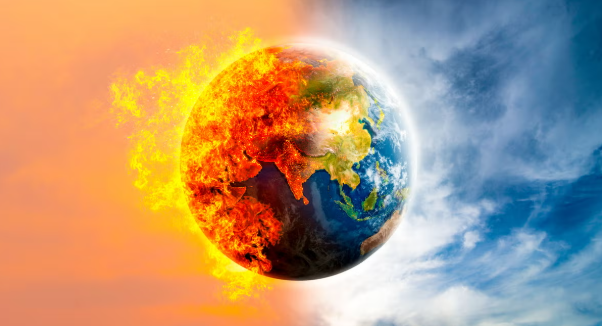
Whatever your stance is on climate change (it’s real, let’s move on), it’s impossible to have missed the near-ubiquitous call to action to “keep temperatures from exceeding 1.5 degrees Celsius compared to pre-industrial levels.” Over the past few years, the somewhat bureaucratic phrase has become a rallying cry for the climate conscious.

This ambitious target first surfaced following the Paris Climate Agreement, and describes a sort of climate threshold—if we pass a long-term average increase in temperature of 1.5 degrees Celsius, and hold at those levels for several years, we’re going to do some serious damage to ourselves and our environment.
Food crisis
CLIMATE CHANGE

A Food Crisis Is Brewing – Climate Change Could Put Half of the World’s Crops at Risk

Source: https://scitechdaily.com/a-food-crisis-is-brewing-climate-change-could-put-half-of-the-worlds-crops-at-risk/

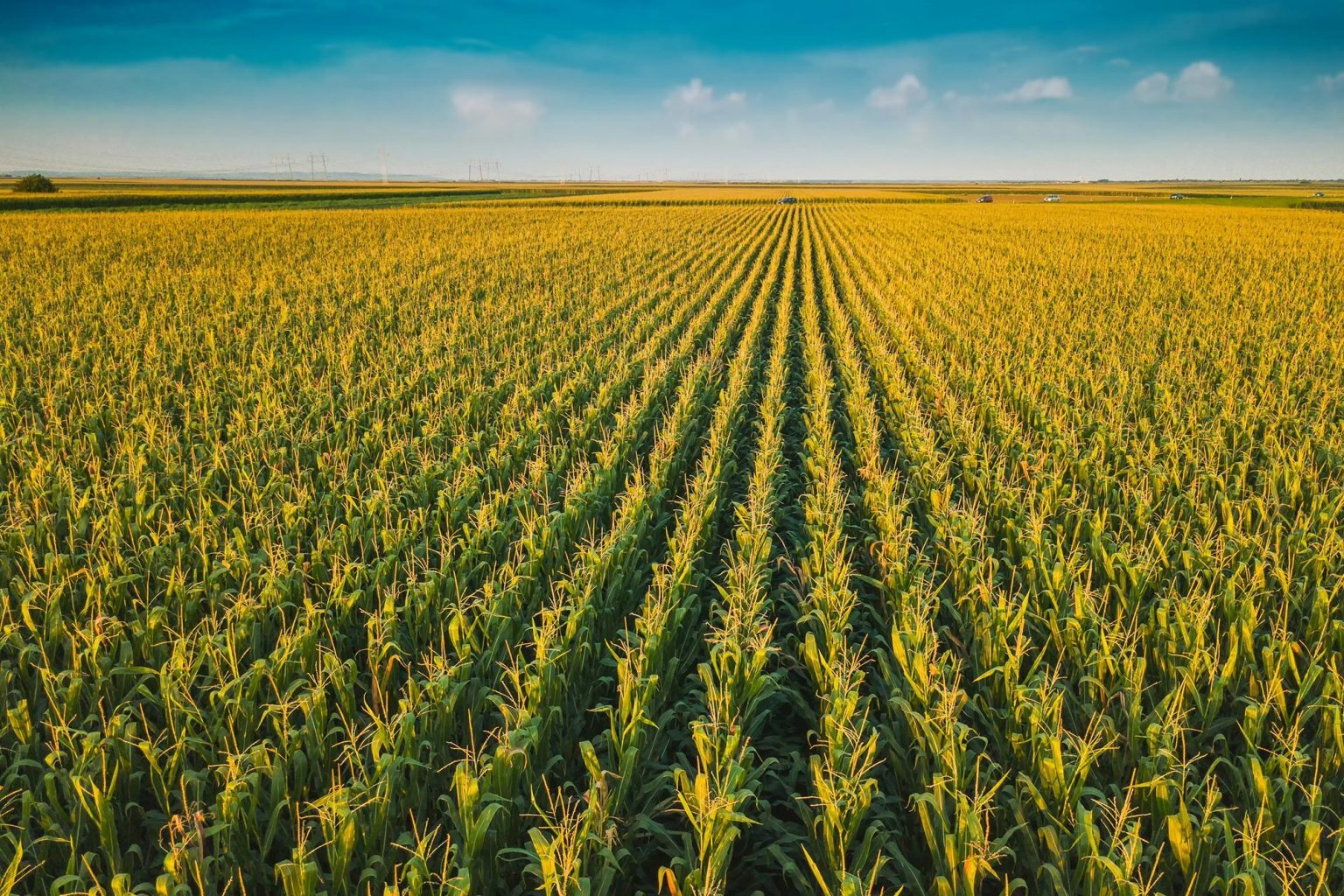
Global warming is already impacting daily life, fueling storms, floods, wildfires, and droughts worldwide. As temperatures rise, up to one-third of global food production could be threatened. A recent study in Nature Food provides a clearer understanding of where and how climate change will affect food production.

Researchers from Aalto University analyzed the effects of rising temperatures, changing precipitation patterns, and increasing aridity on 30 major food crops globally. Their findings indicate that low-latitude regions will suffer the most severe consequences, with up to half of their crop production at risk as climate conditions become unsuitable. Additionally, these regions will experience a significant decline in crop diversity, further threatening food security.

Untitled (1120 x 620 px) – 1
CLIMATE CHANGE

Unequal Burden: How Climate Change is Disproportionately Impacting Women’s Health

Source: https://www.aiib.org/en/news-events/media-center/blog/2025/unequal-burden-how-climate-change-impact-women-health.html

Climate change intensifies the spread and impact of water- and vector-borne diseases (WVBDs) like dengue, malaria, diarrhea, leptospirosis and Zika virus by increasing the survival and dispersion of pathogens and vectors, and by disrupting health infrastructure. All humans face some level of exposure. However, not everybody is equally affected. Recent research shows that women are disproportionately exposed to WVBDs mainly due to occupational roles and rigid gender norms. As a result, health outcomes between men and women differ substantially, with severe implications not only for women’s well-being but also for public health in general.

Renewable energy
CLIMATE CHANGE

The Role of Renewable Energy in Mitigating Climate Change Effects

Source: https://www.msn.com/en-ie/money/other/the-role-of-renewable-energy-in-mitigating-climate-change-effects/ss-AA1As09u#image=1

Climate change is one of the most pressing challenges facing humanity today. It is primarily driven by the increase in greenhouse gas emissions, which trap heat in the atmosphere and lead to global warming.

According to the Intergovernmental Panel on Climate Change (IPCC), the global temperature has already risen by approximately 1.1 degrees Celsius since the late 19th century. This rise in temperature has resulted in severe weather events, rising sea levels, and disruptions to ecosystems.

Women and girls
CLIMATE CHANGE

Women and girls are on the frontline of climate change – but their stories are seldom heard

Source: https://theconversation.com/women-and-girls-are-on-the-frontline-of-climate-change-but-their-stories-are-seldom-heard-251631

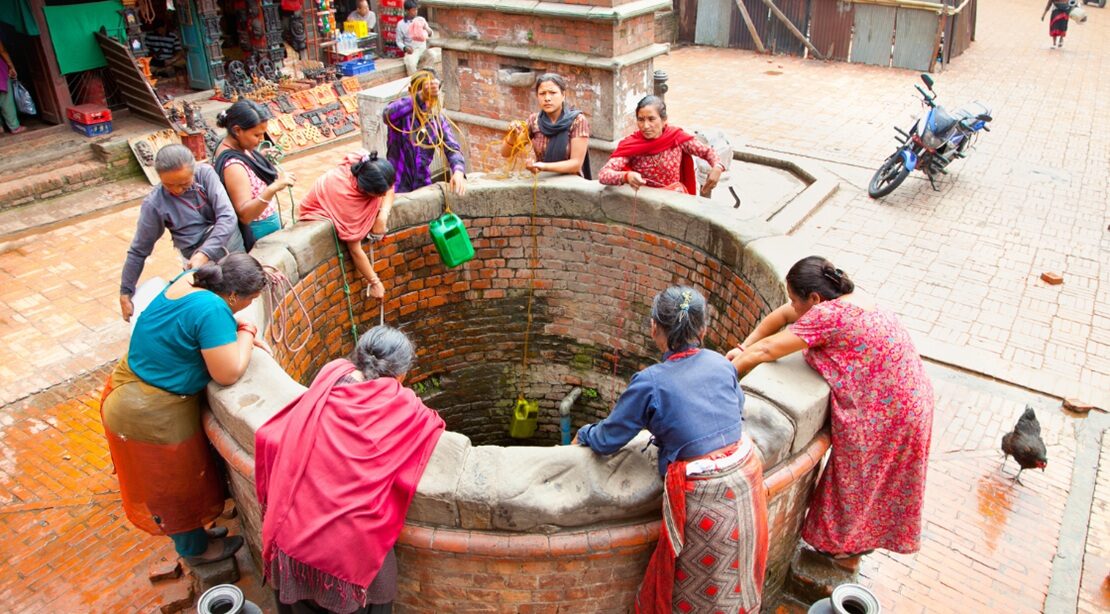
Women and girls are disproportionately affected by the climate crisis. They are more likely to suffer health consequences as a result of floods, droughts, heatwaves, air pollution, wildfires and other environmental disasters.

At the same time, women also tend to be responsible for securing food, water and energy for the rest of their families. When extreme weather makes these resources scarce, their lives and livelihoods are at risk.

S20_Family_picture
CLIMATE CHANGE

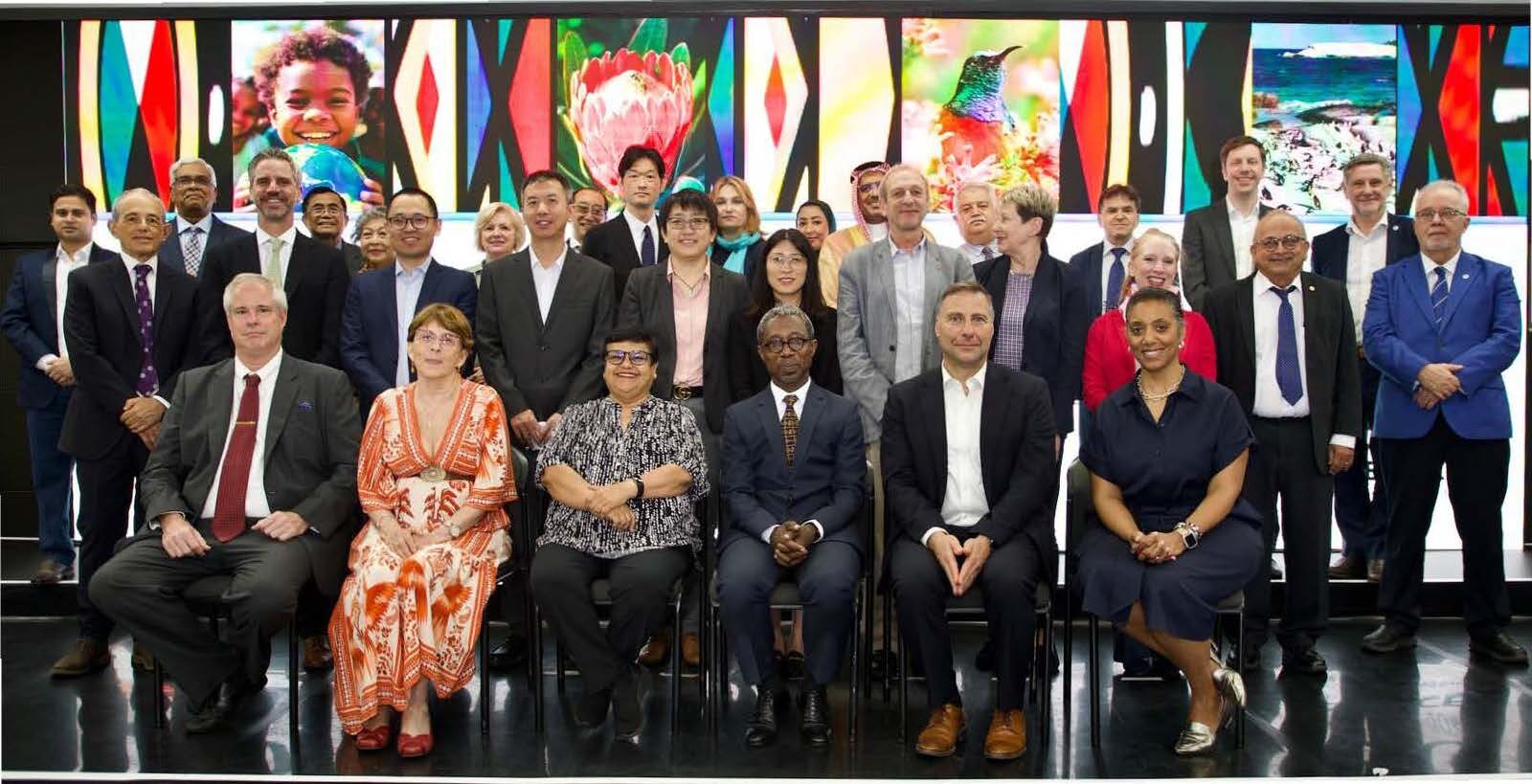
Science20 meeting highlights the role of science in tackling climate change

Source: https://www.dsti.gov.za/index.php/media-room/latest-news/4563-science20-meeting-highlights-the-role-of-science-in-tackling-climate-change

Rising global temperatures, prolonged droughts and the increasing prevalence of disease are some of the devastating impacts of climate change, said Prof. Thokozani Majozi, president of the Academy of Science of South Africa (ASSAf) Council, at last week’s Science20 (S20) meeting in Pretoria.

From wildfires in the Americas and Australia to catastrophic flooding in Europe and Asia, no region is immune. “Climate change does not recognise national boundaries, making international scientific cooperation not just beneficial but essential,” he said.

SA Champions
CLIMATE CHANGE

South Africa Champions Global Scientific Cooperation to Combat Climate Change

Source: https://www.devdiscourse.com/article/law-order/3283801-south-africa-champions-global-scientific-cooperation-to-combat-climate-change

Rising global temperatures, prolonged droughts, and the increasing spread of diseases are among the critical consequences of climate change, according to Professor Thokozani Majozi, President of the Academy of Science of South Africa (ASSAf) Council. Speaking at the recent Science20 (S20) meeting in Pretoria, Majozi underscored that no region is immune to these impacts, pointing to wildfires in the Americas and Australia, as well as severe flooding in Europe and Asia.

himla
CLIMATE CHANGE

South Africa hosts historic Science20 meeting

Source: https://www.nature.com/articles/d44148-025-00049-w

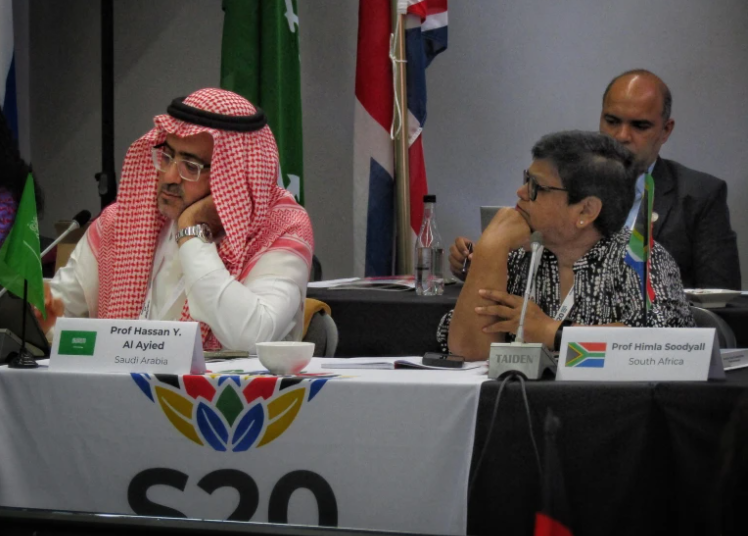
South Africa has become the first African nation to host a Science20 (S20) meeting, a key forum of national science academies from G20 countries.

This year’s S20 considers urgent global challenges, with a focus on Africa’s vulnerabilities. Held from 24-27 February 2025, the meeting included leaders from the Academy of Science of South Africa (ASSAf), all of whom emphasised the urgency of addressing climate change and the critical role of science-driven policy recommendations for the G20.

The recommendations will be made public to coincide with the September G20 summit meeting.

“The S20 deliberates on pertinent issues with the idea of sharing recommendations. But ultimately, these discussions must reach policymakers,” Thokozani Majozi, ASSAf president, told Nature Africa. “If the S20 does not succeed in articulating its position in a way that policymakers can understand and adopt, then, in my opinion, it would have failed.”

When asked about the uncertainty brought on by policy changes such as that of the US government’s sudden foreign aid funding freezes, and the United Kingdom’s decision to cut foreign aid in favour of defence spending, Majozi highlighted the importance of adaptability and in creating solutions that are feasible for diverse nations.

“We should be alive to the fact that changes happen steeply at times, and we should be able to adapt,” he said.


Durban
CLIMATE CHANGE

Disaster in Durban exemplifies existential risks of climate change

Source: https://www.polity.org.za/article/disaster-in-durban-exemplifies-existential-risks-of-climate-change-2025-02-28

As the GOOD Party, we send our deepest condolences to the families and loved ones of the victims of the flooding in eThekwini’s Lamontville and Chatsworth areas. We praise the tireless efforts of disaster management workers who have been working around the clock to prevent further loss of life and damage to property, with hundreds already displaced by the severe flooding. 

The province has been ravaged by weather for several years in a row. This exemplifies the needs for our government to take its dual responsibility of proper land use planning and combat ever growing risks of climate change seriously.


Enviromental imbalance
CLIMATE CHANGE

Environmental Imbalance and Climate Change: The Growing Threat

Source: https://countercurrents.org/2025/02/environmental-imbalance-and-climate-change-the-growing-threat/

Decisive climate action is crucial to preventing the dangerous decline of sea ice. Favorable policies and improved polar monitoring will enhance climate resilience. Reducing emissions and protecting the planet’s fragile cryosphere depend on collective determination. Many communities are not prepared to face climate change threats. Investing in resilient infrastructure that can withstand future climate risks is essential.

Sea ice plays a crucial role in regulating the Earth’s climate. Due to changing weather patterns and rising temperatures, sea ice has fallen to a record low of 15-76 million square kilometers. Global temperatures are rising, ocean currents are becoming unstable, and extreme weather events are intensifying.